Wild turkeys terrorize quiet Wisconsin town like a real life horror flock
Photo credit: JamesBrey/istock.com
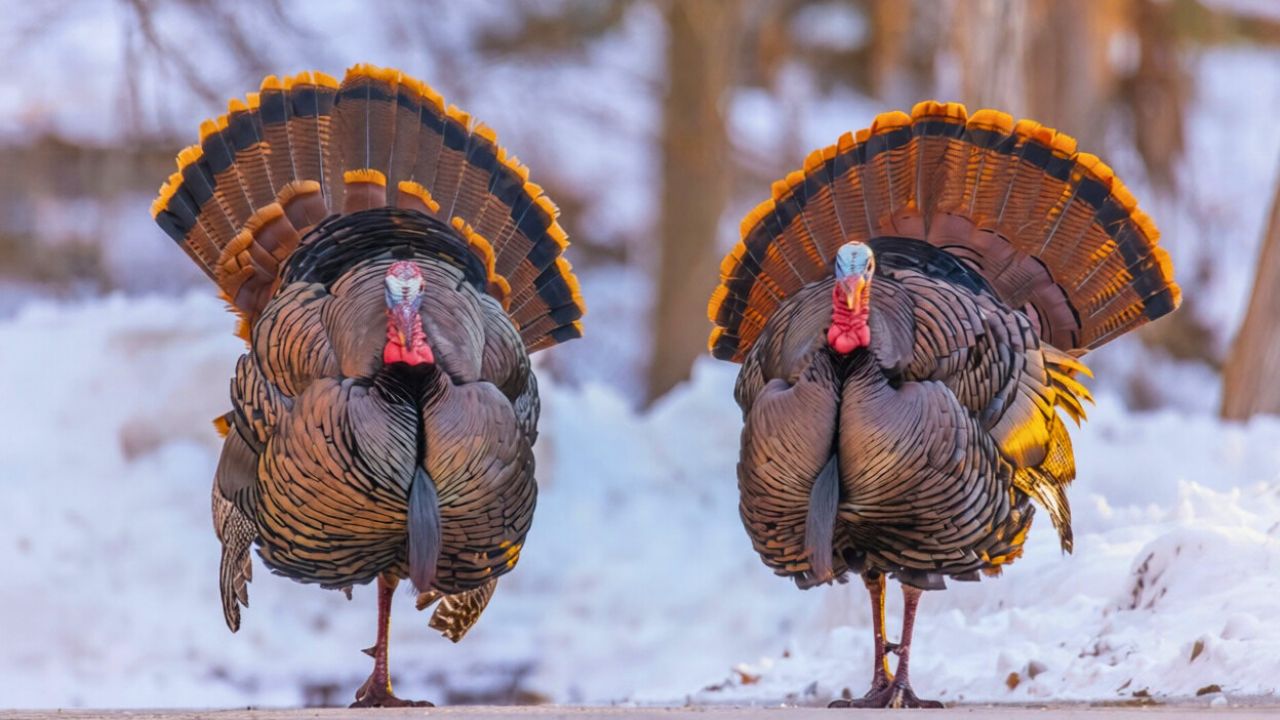
In a quiet corner of southern Wisconsin, a flock of wild turkeys has turned everyday errands into something closer to a creature feature. Residents describe birds blocking traffic, chasing people down sidewalks, and standing guard over mailboxes like feathered bouncers. What might sound like a punchline has become a genuine safety concern, as families, postal workers, and local officials scramble to figure out how to coexist with a suddenly aggressive group of birds.
The unsettling scenes are unfolding in Janesville, a city more accustomed to headlines about manufacturing and small-town life than rogue wildlife. Instead of staying skittish and out of sight, these turkeys have grown bold, even territorial, around homes and streets. Their behavior has forced the community to confront a larger question: what happens when wildlife adapts to urban life faster than people adapt to wildlife?
The Wisconsin city that became a turkey hot spot
The drama is playing out in Janesville, a southern Wisconsin city where residential streets, schools, and parks sit close to wooded corridors and open fields. That mix of habitat has long made the area attractive to wildlife, including deer and smaller birds, but neighbors say this particular flock of wild turkeys has taken the overlap to a new level. Instead of passing through, the birds appear to have settled in, treating cul-de-sacs and driveways as their own territory.
Residents describe the flock roaming a specific neighborhood, moving between yards, sidewalks, and intersections with little fear of people or cars. Reports of turkeys blocking vehicles and lingering near front doors have become common enough that the birds are now a regular topic of conversation in the community. The sense of a “horror flock” comes less from any single incident than from the cumulative effect of seeing large, powerful birds repeatedly insert themselves into daily routines.
From curiosity to confrontation on neighborhood streets
What began as a curiosity, with neighbors snapping photos of the birds, has escalated into a pattern of confrontations. Video clips show turkeys striding down the middle of the road, surrounding cars, and refusing to move even when drivers inch forward. In one widely shared segment, the birds appear to stalk residents walking to and from their vehicles, behavior captured in a short video that helped propel the story beyond Wisconsin.
Locals say the turkeys have become especially bold around people who are on foot, sometimes running toward them rather than away. That shift from wary to confrontational has changed the tone of the neighborhood, with some residents timing errands to avoid the flock’s usual haunts. The birds’ size and speed, combined with their willingness to close the distance on humans, have turned what might have been a quirky wildlife encounter into something that feels more like a daily gauntlet.
Families on edge as children and parents are chased
For parents, the most alarming reports involve children. One neighbor, Jan Meyer, described how his 8‑year‑old son became a target while crossing the street, with a turkey breaking from the flock and charging at the boy. That account, detailed in coverage of wild turkey attacks in the area, has resonated with other families who now think twice before letting kids walk alone to friends’ houses or bus stops.
Parents say they have started escorting children more often, scanning lawns and rooftops for any sign of the birds before stepping outside. Some have armed themselves with umbrellas or brooms, not to harm the turkeys but to create a barrier if one charges. The idea that a routine walk across the street could end with a child sprinting from a large, flapping bird has shifted the mood from mild annoyance to genuine fear in parts of the neighborhood.
Mail carriers and workers in the line of fire
The flock has not limited its attention to residents. Postal workers and delivery drivers have found themselves on the front lines, with turkeys reportedly chasing them down sidewalks and cutting off access to mailboxes. In one account, a mail carrier described being pursued by multiple birds, an incident echoed in regional coverage of turkeys wreaking havoc in southern Wisconsin.
These encounters have practical consequences. When carriers feel unsafe approaching certain homes, mail delivery can be delayed or rerouted, disrupting everything from prescription deliveries to bill payments. The birds’ fixation on vehicles and uniforms has also raised concerns among other workers who regularly move through the area, including utility crews and package drivers, who now factor turkey behavior into their daily routes.
“These are big birds”: residents describe the fear factor
Residents who have faced the flock up close emphasize that the fear is not exaggerated. One person, speaking about similar wild turkey attacks that left people shaken, put it bluntly: “It’s scary, these are big birds.” That sentiment now echoes in Janesville, where neighbors talk about the turkeys’ size, sharp beaks, and powerful legs as more than enough to cause injury if an encounter goes wrong.
People who might normally shrug off wildlife sightings say the birds’ willingness to close in, combined with their sheer physical presence, makes them think twice before stepping outside. The fear is not just about being pecked or scratched, but about being knocked off balance or falling while trying to escape. For older residents or those with mobility issues, the prospect of being chased by a fast, heavy bird turns a simple walk to the mailbox into a calculated risk.
Local coverage captures a neighborhood on edge
Local television crews have documented the tension, interviewing neighbors who describe being chased, cornered, or forced back into their homes. One report on turkey attacks in Janesville shows residents recounting how the birds linger near driveways and front steps, sometimes refusing to move even when people clap or shout. The tone is less amused than weary, as if the novelty has long since worn off.
Another segment highlights how the flock has become a shared problem that binds the neighborhood together, with people swapping tips on how to get past the birds and checking in on more vulnerable neighbors. Coverage of wild turkeys attacking people and chasing them down sidewalks underscores how routine these incidents have become, with neighbors now trading stories the way others might talk about traffic or weather.
What wildlife experts say about unusual turkey behavior
Wildlife specialists stress that this level of aggression is not typical. Jason Cotter, identified as a wildlife biologist for Rock County with the Wisconsin Department of Natural Resources, has called the situation unusual and pointed out that wild turkeys generally avoid close contact with people. His comments, cited in a report on experts weighing in, suggest that something about this flock’s environment or history has altered its normal wariness.
Experts note that turkeys can become more assertive when they are fed by humans or when they grow accustomed to urban settings where predators are scarce. As development expands, birds that once stayed in forests and fields may find food and shelter in neighborhoods, gradually losing their fear of people. Cotter has indicated that, in many cases, such flocks eventually move on, but until that happens, residents are left to navigate an uneasy coexistence with birds that no longer see humans as a threat.
From viral jokes to national curiosity
As word of the Janesville flock spread, the story quickly jumped from local newscasts to national platforms. A clip of the birds strutting through streets and chasing residents circulated widely, with one online write‑up urging people to “Hide your kids, hide the mailmen,” a tongue‑in‑cheek line attributed to Luke Spallino. The mix of genuine alarm and dark humor turned the flock into a kind of viral character, a symbol of how quickly everyday life can be disrupted by unexpected wildlife.
Broadcast segments have also highlighted how the birds affect routine tasks, with one video on Jainsville turkeys showing them milling around cars and mail trucks as people try to get in and out. Another piece on turkeys wreaking havoc notes that at least one mail carrier and a second postal worker have been targeted. The coverage has turned Janesville into a case study in how quickly a local nuisance can become a national talking point.
Urban wildlife, development, and what comes next
Behind the spectacle lies a broader pattern. As neighborhoods expand into former fields and woodlots, encounters with animals that once stayed at the edge of town become more common. A report on southern Wisconsin notes that as areas are developed, turkeys that once kept their distance can become a nuisance, even going after mail carriers. That description fits Janesville, where residents now find themselves living in close quarters with a flock that has learned to navigate streets, driveways, and front yards as easily as any human.
Wildlife biologists emphasize that long‑term solutions usually involve a mix of public education, habitat management, and, in some cases, targeted removal of problem animals. In the short term, neighbors are advised not to feed the birds, to secure trash and birdseed, and to make themselves appear large and assertive if confronted. The hope, echoed in expert commentary, is that the turkeys will eventually move on, leaving Janesville to reclaim its reputation as a peaceful Midwestern city rather than the setting for a real‑life horror flock.

Abbie Clark is the founder and editor of Now Rundown, covering the stories that hit households first—health, politics, insurance, home costs, scams, and the fine print people often learn too late.