“We barely knew him” is collapsing again—because the paper trail is way too specific in the Epstein files
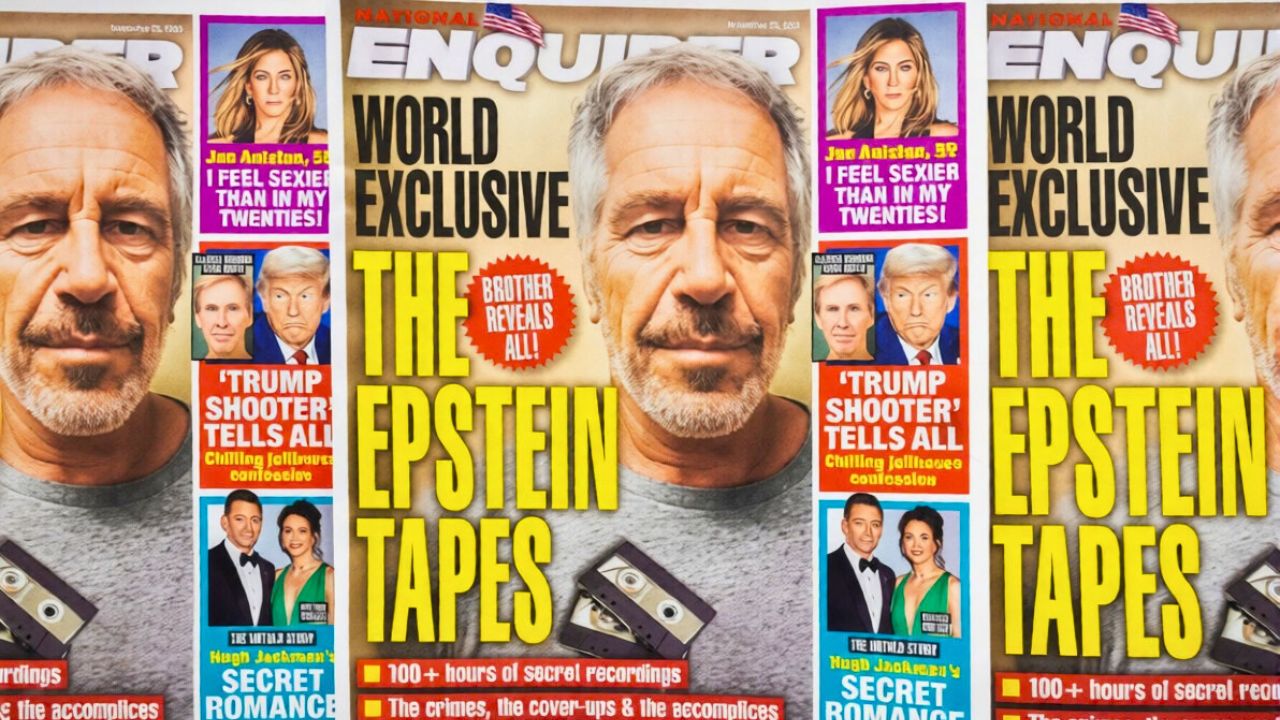
Photo credit: Copyright Lawrey/Shutterstock.com
The latest releases from the Epstein archive are shredding the familiar defense that powerful acquaintances “barely knew him.” Names, dates, travel plans and favors are laid out with a level of specificity that is difficult to square with claims of fleeting contact. What is emerging instead is a dense documentary record of proximity, access and mutual usefulness that stretches from royal palaces to Silicon Valley boardrooms and Mar-a-Lago.
That record is still incomplete and heavily redacted, but it is no longer a rumor mill. Court files, government records and estate documents now form a sprawling paper trail that shows who took Epstein’s calls, who sought his advice and who kept meeting him long after his status as a sex offender was a matter of public record.
The slow unsealing of a network
The current wave of disclosures did not arrive all at once. It began when a New York judge, Loretta Preska, ordered large portions of the Maxwell case record unsealed, pulling material about Maxwell and Epstein into public view in New York. That court-driven process was followed by a broader political push, with advocates pressing the DOJ to publish what it held on the financier’s contacts and deals. After years of pressure, the DOJ began releasing federal records under what campaigners describe as the Epstein Files effort, a response to demands for full transparency about Jeffrey Epstein and his network.
Parallel to that, civil litigation has pried open older case files. About 950 pages of court documents identifying associates of Jeffrey Epstein were made public on a recent Wednes, part of a tranche that also exposed “John Doe” identities in long running suits. Those Court records, which lawyers say will be followed by more releases, show how deeply the financier had embedded himself in elite circles long before his final arrest while awaiting sex trafficking charges.
From “barely knew him” to thousands of references
For years, the standard response from high profile figures caught in Epstein’s orbit has been to minimize the relationship. The newly released material makes that strategy harder to sustain. One recent trove of documents contains thousands of references to Trump, for example, reflecting years of overlapping social and business circles. While much of that material may not add new allegations, the sheer volume undercuts the idea of a passing acquaintance and instead suggests a sustained, if complex, association with the current president.
Other names recur across different caches. Dozens of entries in court documents and email chains reference Dozens of prominent men, including Andrew Mountbatten-Windsor, whose name appears again in later email releases that track his repeated presence in Epstein’s social calendar. Many of the most prominent individuals were already known to the public, but the Many of the newly unsealed references show how often they were in touch, how frequently they visited properties and how long those ties persisted after Epstein’s first conviction.
Emails, calendars and the Mar-a-Lago problem
If the names alone were awkward, the correspondence is worse. One newly surfaced 2012 email, reproduced in OCR form, shows an associate asking what “JE” thought of going to Mar-a-Lago after Christmas instead of another destination, with the Sent line and Subject field captured in the leak. The casual tone of that Fri message, flagged as an Alert, suggests that trips to the Florida club were a matter of routine planning in Epstein’s circle rather than rare, forgettable encounters.
Other communications are more salacious. One email described in entertainment reporting details an X rated encounter involving Marla Maples, with the account surfacing in a cache of Epstein related messages that a magazine, Variety noted, sits awkwardly alongside public statements from some figures who insist they barely knew him. A judge’s quip of “Next case. Er, next shoe” during testimony about the messages underscored how routine, even banal, these explicit exchanges had become in the legal record, even as their implications for reputations remain explosive.
Photos, flight logs and the visual record
The written record is now being matched by images. Newly disclosed government files from NEW YORK include photographs of Jeffrey Epstein with a roster of wealthy and powerful contacts, part of a set of Newly released investigative files. Separate disclosures from the Department of Justice include Hundreds of photos, with Images of former presidents, tech billionaires and royals appearing alongside staff and alleged victims. Those pictures, some taken on private jets and at island compounds, give visual weight to itineraries that had previously been reconstructed mainly from flight logs.
Estate documents add another layer. Newly released records from Jeffrey Epstein’s estate list high profile figures including Elon Musk, Bill Gates and Peter Thi as contacts or participants in ventures linked to his fortune. While those entries do not by themselves prove knowledge of criminal exploitation, they do show that some of the world’s most influential business leaders were in direct contact with a man already convicted of sex offenses, raising questions about why so many were comfortable staying close.
Silicon Valley, royals and the specificity problem
Tech executives feature prominently in the latest lists. One filing describes how Sergey Brin, the Google co founder, received advice from Epstein between 2004 and 2007, with According to the documents, Brin seeking guidance on philanthropic structures and tax strategies. That kind of detailed professional engagement is difficult to reconcile with any suggestion of a distant, barely remembered acquaintance. It also illustrates how Epstein marketed himself as a fixer and adviser to people who had no obvious need for his money.
On the royal side, the files revisit the long running saga of Former prince Andrew Mountbatten-Windsor, King Charles’s brother, whose denials of wrongdoing sit alongside accounts from Virginia Giuffre and others. New emails quoted in coverage include a witness insisting “And he did not, because I was there,” a line that has become shorthand for the conflicting narratives around the prince’s movements. The cumulative effect is not simply reputational damage, but a detailed timeline that makes it harder to dismiss the relationship as a brief social misjudgment.

Abbie Clark is the founder and editor of Now Rundown, covering the stories that hit households first—health, politics, insurance, home costs, scams, and the fine print people often learn too late.