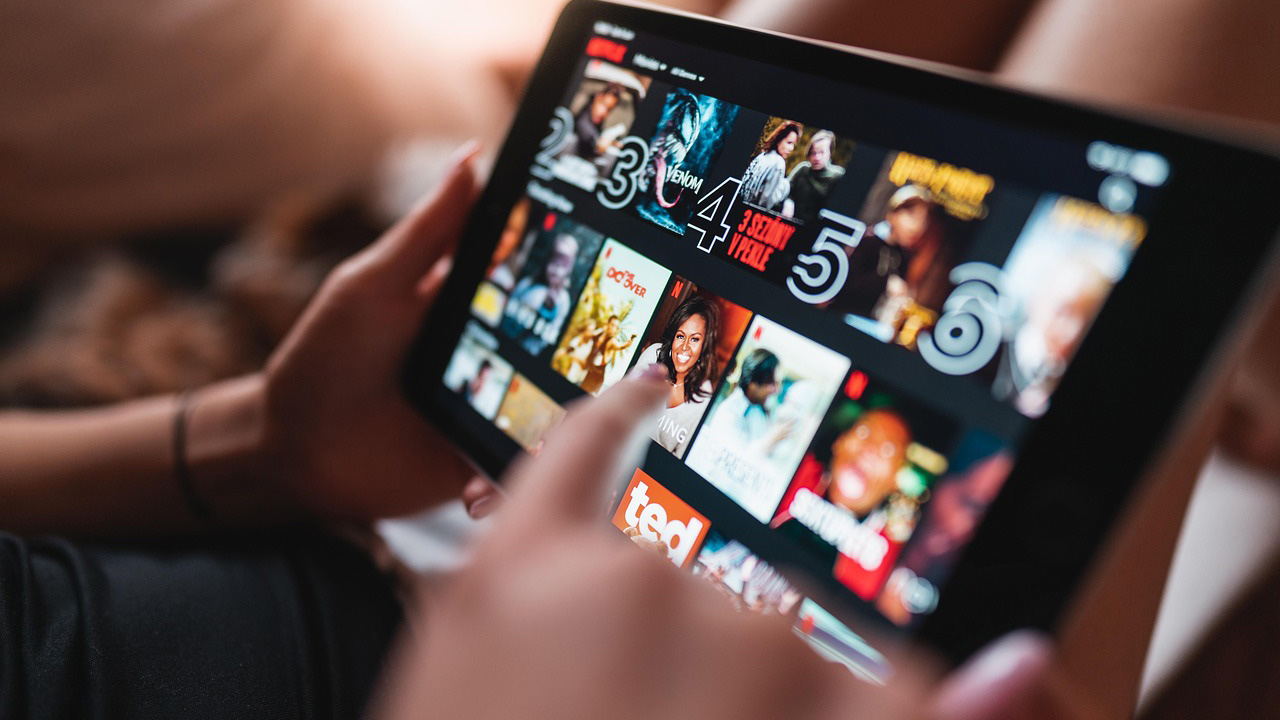
The streaming shows people keep rewatching and what it says about 2025
Photo credit: yousafbhutta/Pixabay.com
You are living through a strange TV moment: there have never been more new shows, yet your queue is probably full of series you already know by heart. The streaming hits people keep replaying in 2025, from kids’ animation to long‑running procedurals, reveal how stressed, cash‑strapped, and socially hungry audiences really are. What you choose to rewatch has become a quiet vote about what kind of culture and technology you want around you.
The comfort loop: why you keep pressing play on the familiar
When you rewatch a series instead of trying something new, you are not just being lazy, you are managing risk. A show you already love guarantees a certain emotional payoff, which matters when your day is packed with uncertainty and decision fatigue. Psychologists and pop‑culture writers alike describe repeat viewing as a way to reclaim control in a world that constantly demands your attention, framing it as a small, everyday act of self‑protection rather than a guilty pleasure.
One recent analysis of rewatching habits argues that in a culture of constant alerts and algorithmic feeds, returning to a beloved sitcom or drama can feel like a “powerful form of self‑care,” a predictable ritual that steadies you after work or school, especially when the story beats are as familiar as a favorite commute route, a point underscored in a discussion of how fans revisit specific scenes like Dwight’s chaotic CPR training meltdown. On message boards, viewers echo that logic in more casual language, swapping stories about looping the same series “again and again and again” and asking why rewatching feels so good, a question that has sparked long threads in places like a psychology forum where users link the habit to anxiety relief and social bonding.
Bluey, Cops, Doctors, Puppies: what the 2025 charts really show
If you look at what actually dominates viewing time in 2025, the pattern is clear: you and your neighbors are not chasing novelty, you are clustering around a handful of familiar brands. Industry tallies of minutes watched highlight how a small group of shows about everyday life, from parenting to emergency rooms, soak up a disproportionate share of attention. One newsletter on streaming habits even frames the year with the blunt subhead “Cops, Doctors, Puppies Grabbed Most Vi,” a shorthand for the way police dramas, medical series, and animal‑centric comfort fare crowd out riskier experiments in your recommendations.
Within that landscape, the Australian kids’ series Bluey has become a kind of shorthand for cross‑generational comfort viewing, with one Dec streaming newsletter noting that “The Australian” import sits at the top of the year’s charts and “obliterated everything but Grey’s Anatomy,” a striking data point that captures how a preschool cartoon can rival a primetime juggernaut. That same analysis, headlined “Cops, Doctors, Puppies Grabbed Most Vi,” stresses that the only original series for adults that manage to break into the year’s elite tier land “at the very bottom,” a sign that the most watched hours are going to established brands rather than buzzy debuts, a trend reinforced by a companion piece on how Cops, Doctors, Puppies Grabbed Most Viewers across the 2020 to 2025 window.
Library over novelty: the quiet power of older shows
Your rewatch habit is not just personal, it is structural. Research into streaming behavior finds that when people open an app, they are far more likely to click on something from the back catalog than on a brand‑new original. One study of viewing choices describes older titles as the “Top two choices for US streamers,” quoting a Gen Z viewer who admits that when they are tired, they default to a familiar series because it feels easier and safer than gambling on a pilot, a sentiment highlighted in a report on why older content is making a comeback that literally labels those legacy hits as the Top two choices in many households.
There is a business logic behind that tilt toward the archive. As budgets tighten, “Cash‑strapped studios” are more willing to license older series to multiple platforms to generate quick revenue, and viewers reward that strategy by spending more time with those familiar imports than with expensive new experiments. One analysis notes that audiences are significantly more likely to choose library content, with respondents rating older shows higher on comfort and reliability, and even quantifying that preference by saying they are more inclined to pick a rerun by a margin of “(+12) than new content,” a figure that appears in a breakdown of how Cash‑strapped studios are reshaping their licensing deals.
Kids’ shows adults cannot quit
One of the most revealing quirks of 2025 viewing is how often you see adults voluntarily watching children’s programming, even when there are no kids in the room. The breakout success of Disney hits and other family titles shows that you are using these series as emotional background noise as much as your children are using them as entertainment. When a USA Today ranking of the “Top 10 most streamed shows of 2025, so far” notes that “Bluey” sits at No. 1 with over 25 billion minutes viewed, it is capturing not just preschool obsession but also the way parents and child‑free fans alike loop the show for its gentle humor and low‑stakes storytelling.
That same instinct extends to other animated staples that long ago escaped their original age brackets. You can see it in the way adults quote lines from SpongeBob SquarePants or treat episodes of Family Guy and Bob’s Burgers as comfort food, replaying favorite seasons while they cook or scroll. A Dec newsletter that singles out “Cops, Doctors, Puppies Grabbed Most Vi” as the year’s defining pattern is really describing a broader appetite for low‑threat, character‑driven worlds, whether that means cartoon puppies, animated burger‑flippers, or a talking sponge who never truly changes.
Procedurals and sitcoms: the background noise of a stressed nation
When you need something to play in the background while you answer emails or fold laundry, you probably reach for a procedural or a multi‑camera sitcom. These formats are built for rewatching, with self‑contained episodes, clear emotional arcs, and characters who rarely surprise you in ways that demand close attention. That is why long‑running dramas like Grey’s Anatomy, NCIS, and Law & Order: SVU keep resurfacing near the top of viewing charts, even when they are years or decades into their runs, and why a Dec streaming newsletter can credibly say that “Cops, Doctors, Puppies Grabbed Most Viewers” across the first half of the decade.
On the comedy side, the same logic keeps laugh‑track staples in heavy rotation. A show like The Big Bang Theory is engineered for syndication and streaming alike, with punchlines that land even if you are only half watching. Analysts who track viewing minutes across 2020 to 2025 point out that such sitcoms and procedurals dominate the “Top shows from 2020 to 2025, by minutes watched while in weekly top 10,” a pattern summarized in the line “Cops, Doctors, Puppies Grabbed Most Viewers” in a Dec report on how Americans are watching fewer new shows and leaning on free or familiar TV instead.
Prestige thrillers you binge, then revisit
Not every rewatch is light or cozy. Some of the most replayed titles in 2025 are dark, twisty dramas that reward a second or third pass once you know how the story ends. When you go back to a prestige thriller, you are not just seeking comfort, you are hunting for clues you missed, trying to understand character choices, or simply reliving the adrenaline with less anxiety because the outcome is already fixed in your mind.
Series like Ozark and Stranger Things illustrate that pattern, with fans dissecting timelines, background details, and character arcs long after the final season drops. A Dec newsletter on streaming habits notes that when you look at the “most‑watched original streaming” titles over the past few years, only a handful of adult dramas make the cut, and even those sit “at the very bottom” of the overall rankings, a reminder that while prestige hits generate headlines, they still compete with a tidal wave of comfort TV, a contrast captured in the same analysis that tracks how The most‑watched original streaming series struggle to match the sheer volume of minutes logged by older franchises.
Gen Z, Gen Alpha, and the return of communal viewing
For younger audiences, rewatching is not just about comfort, it is about connection. Gen Z and Gen Alpha have grown up with on‑demand everything, yet in 2025 they are rediscovering the thrill of watching together in real time, turning familiar shows into social events. One widely shared Instagram post describes “Screenings in packed sports bars. Reaction videos from friends’ couches. Weekly countdowns in the group chat,” and notes that “2025 saw Gen‑Z learn to watch television like it’s 1999 all over again,” a trend summed up in the caption that invites you to see how Gen viewers are reviving appointment TV.
That social turn helps explain why younger fans often gravitate toward older, widely available series instead of niche new releases. A Dec feature on “why Gen Z and Gen Alpha are feasting on TV comfort food” cites a “recent study from National Research Group” that found “60% of all TV consumed is library content” and that “Among Gen Z, 40% say” they prefer older shows for a sense of ease, figures that underline how strongly this cohort associates reruns with low‑pressure connection. The same piece quotes viewers who describe comfort TV as a shared language, something they can stream on multiple platforms and talk about in group chats, a dynamic captured in the line that “Among Gen” audiences, the appeal is as much about social ease as it is about nostalgia, a point anchored in the report from National Research Group.
Mental health, nostalgia, and why rewatching feels so good
Underneath the charts and business models, your rewatch habit is also a mental health strategy. Therapists and wellness writers increasingly frame repeat viewing as a low‑cost coping tool, especially for people dealing with anxiety or burnout. When you already know every plot twist, you can relax your guard, let your mind wander, and still feel held by the story, which is why so many people fall asleep to the same sitcom every night or keep a favorite drama running while they cook.
One mental health explainer lists several “Key Takeaways,” including the idea that “Rewatching your favorite shows can be an easy way to unwind after a long day, a soothing form of self‑care,” and emphasizes the role of nostalgia, noting that “Old shows reconnect us” with earlier, often safer‑feeling periods of our lives, “like when we were kids,” a framing that appears in a guide to how Rewatching can support emotional regulation. That logic dovetails with the Substack essay that calls rewatching a “powerful form of self‑care” and with Reddit users who describe looping their favorite series during depressive episodes, reinforcing the idea that in 2025, your streaming history doubles as a kind of mood diary.
What this means for the future of TV in the Netflix and TikTok era
The dominance of rewatched shows is already reshaping how platforms and studios behave. Analysts who track the industry argue that “from changing models of content from Netflix and others to new technologies, such as LTE‑B, from tech companies such as Qualcomm,” the way you watch is undergoing “a seismic shift,” with infrastructure and business models bending toward the reality that most viewing time goes to a relatively small library of hits, a point made in a profile of how Netflix and its rivals are adapting. That shift encourages services to invest heavily in acquiring and retaining evergreen series, even as they trim the number of risky originals they greenlight each year.
At the same time, there are signs of a backlash against endless novelty. A widely shared Reddit thread titled “New shows accounted for zero of the 10 most‑watched” laments that fresh series are struggling to break through, summarizing the paradox in a single line: audiences are “retreating to familiar comfort viewing” even as the industry keeps churning out new titles, a tension captured in the post that notes New shows accounted for zero of the top ten most watched in a key window. Other commentators describe a split between “comfort TV” and “event TV,” with one November feature on viewing habits noting that people often have a “show they only watch alone” for emotional regulation and a separate roster of series they watch live with friends, a distinction drawn in a piece on comfort TV habits that suggests the future of streaming will be built around both solitary rewatches and shared, appointment‑style experiences.
Supporting sources: Untitled, Untitled, Untitled, Untitled, Untitled, Untitled, Untitled, Untitled, Untitled, Untitled, Untitled, Americans Are Watching Fewer New Shows, More Free TV, Americans Are Watching Fewer New Shows, More Free TV, Why is older content making a comeback?, Why is older content making a comeback?, The Psychology Behind Why We Can’t Stop Rewatching Our …, Americans Are Watching Fewer New TV Shows and More Free TV, Why do we derive pleasure from rewatching shows? We know …, Why Gen Z and Gen Alpha are feasting on TV comfort food, Rewatching Your Favorite Shows Is Actually Good for Your Mental Health, Top 10 most streamed shows of 2025, so far. See list. – USA Today, Why We’re All Rewatching the Same Shows Over and Over, New shows accounted for zero of the 10 most-watched …, Screenings in packed sports bars. Reaction videos from friends’ couches. Week…, Troy Dreier.