The electricity demand story hiding behind AI growth
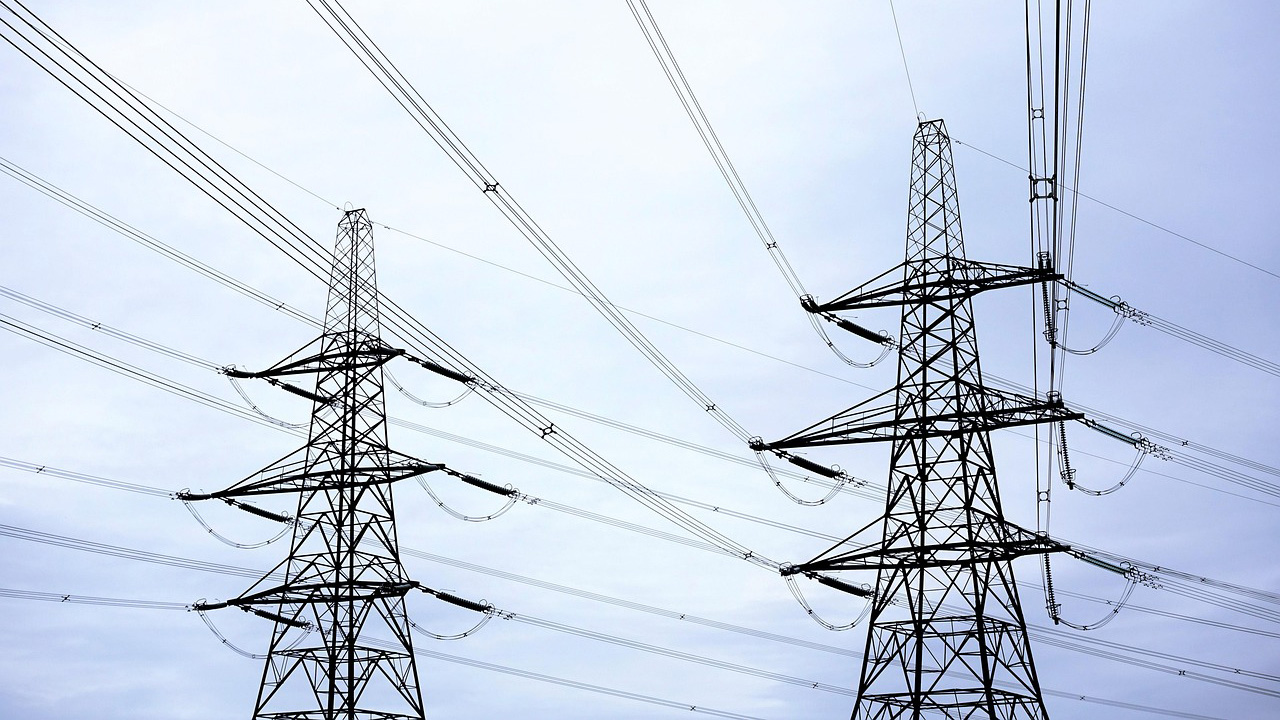
Photo credit: aitoff/Pixabay.com
Artificial intelligence is often sold to you as invisible magic in the cloud, but the real story is unfolding in power plants, substations, and utility boardrooms. As AI models grow larger and more embedded in daily life, the electricity system that feeds them is becoming a strategic bottleneck, a political flashpoint, and a climate risk all at once. The growth curve of AI is now colliding with the physical limits of grids that were never designed for this kind of digital hunger.
To understand where AI is really headed, you have to follow the wires. Behind every chatbot, image generator, or recommendation engine sits a data center drawing as much power as a small town, reshaping how utilities plan investments and how regulators think about reliability. The electricity demand story hiding behind AI growth is no longer a niche engineering concern, it is starting to shape prices you pay, fuels that get burned, and whether climate targets remain credible.
The new bottleneck: power, not algorithms
You are used to hearing that AI progress is constrained by chips, talent, or data, but a growing body of evidence says the binding limit is now electricity. Analysts warn that, today, access to electricity supply is the factor that caps how much additional computational capacity can be deployed, which in turn constrains continued AI expansion. One assessment compares the power appetite of the largest AI clusters to multiple newly connected combined cycle power plants, underscoring that the race to scale models is now inseparable from the race to secure megawatts, a point captured in research that notes how Today access to electricity supply has become central to AI dominance.
This shift changes who holds leverage in the AI economy. Cloud providers and chip designers still matter, but utilities, grid operators, and regulators now decide whether new AI campuses can plug in at all, and on what terms. For you, that means AI’s future is increasingly determined not in app stores but in integrated resource plans, transmission queues, and local fights over new substations. The bottleneck is no longer purely digital, it is the same physical infrastructure that keeps your lights on.
Why AI workloads devour electricity
To grasp why AI is so power hungry, you have to look at how these systems work under the hood. Training and running large models involves billions or trillions of mathematical operations on specialized chips, which draw significant power and then shed it as heat that must be removed by energy intensive cooling systems. One analysis notes that Artificial intelligence now underpins everything from digital assistants to medical tools, and that this constant computation, especially in data centers packed with GPUs, drives electricity use far beyond that of traditional web services.
The difference shows up even at the level of a single query. According to a report cited in recent coverage, According to Goldman Sachs a ChatGPT style prompt can require nearly ten times as much electricity as a standard Google search query. Multiply that by millions of users and by applications that run models continuously in the background, and you start to see why AI is not just another incremental load on the grid. It is a qualitatively different class of demand that scales with both model size and user engagement.
Data centers as the new heavy industry
In energy terms, AI data centers are starting to look less like office parks and more like factories. Reporting on the sector notes that AI data centers are power hungry operations that can require the output of dedicated power plants, or long term contracts with independent suppliers, just to keep racks of accelerators humming. You are seeing facilities planned in gigawatt scale clusters, with developers scouting locations not just for fiber connectivity but for access to high voltage lines and firm generation.
This industrial scale presence is already reshaping local economies and land use. Communities that once courted light tech campuses now face proposals for massive server farms paired with new gas turbines or high capacity transmission corridors. In some regions, utilities are warning that the queue of AI related projects rivals the load from traditional heavy industry, forcing them to rethink how quickly they can expand capacity and whether existing customers will face constraints or higher costs to accommodate the newcomers.
The consumer bill: how AI demand hits your wallet
Even if you never log into an AI app, you are not insulated from its power appetite. As utilities sign long term deals with data center operators, they often commit to building new generation and grid upgrades whose costs are spread across the entire customer base. One detailed analysis of utility contracts warns that the deals that utility companies strike with AI data centers are likely to transfer a significant share of the AI revolution’s costs onto ordinary ratepayers, along with the associated carbon dioxide emissions.
Those pressures are already surfacing in state level debates. In Colorado, for example, regulators and advocates are warning that Even the households and small businesses that never touch AI tools could see higher bills as utilities chase new load from data centers. For you, the risk is that AI becomes a hidden line item in your electricity rate, bundled into “infrastructure” or “capacity” charges that reflect investments made primarily to serve a handful of hyperscale customers.
Reliability risks: blackouts in the age of AI
Rapid AI buildouts are not just a pricing story, they are also a reliability test. Grid planners warn that if large data centers cluster in regions with limited spare capacity, they can strain transmission lines and generation reserves, increasing the chance of outages during heat waves or cold snaps. A recent briefing on grid security notes that the rapid construction of artificial intelligence facilities is already boosting blackout and disruption risk, especially where projects move faster than grid upgrades.
At the same time, AI is being pitched as a tool to help stabilize the very system it is stressing. Grid operators are experimenting with machine learning to forecast demand, optimize dispatch, and detect faults before they cascade, with one assessment of the Energy report of the International Energy Agency estimating that AI applications could unlock significant efficiency gains across power systems by 2035. For you, the outcome will depend on whether AI’s role as a grid optimizer can keep pace with its role as a new source of stress.
Fossil fuels, climate goals, and the AI paradox
As AI demand surges, utilities are making hard choices about which fuels to lean on. Gas producers are already positioning themselves for a boom, with one market analysis noting that Natural gas companies are bullish that AI driven electricity demand will justify new pipelines and power plants. That trajectory risks locking in decades of additional fossil infrastructure just as climate science calls for steep reductions in emissions.
Climate advocates warn that this is not a theoretical concern. One detailed report argues that, in addition to skyrocketing energy demand, AI growth is relying on fossil fueled power stations and is even helping to optimize the growth of the fossil fuel industry itself. Another analysis frames this as a core contradiction of the energy transition, noting that But as digitalisation and AI integration accelerate, the very technologies expected to cut emissions can end up increasing overall energy use if they are not paired with aggressive decarbonization of the power sector.
Can efficiency and smarter grids bend the curve?
There is a counter narrative that you should weigh alongside the alarm. Some energy modelers argue that past technology booms, such as the rise of the internet, did not drive electricity demand as high as early forecasts suggested because efficiency improvements offset much of the growth. One detailed examination asks how internet usage grew by many orders of magnitude while electricity demand remained relatively flat, and concludes that similar dynamics could apply to AI, warning about the hidden risks of overestimating AI’s long term power needs.
At the grid level, AI itself could help flatten peaks and integrate more renewables. Research on power systems suggests that advanced algorithms can coordinate distributed resources, from rooftop solar to electric vehicles, in ways that reduce the need for new fossil plants. Some experts argue that, used carefully, AI could deliver a net benefit for the grid, a view reflected in analysis that asks whether AI is changing the grid and Could it help more than it harms. For you, the key question is whether efficiency and smarter operations can scale fast enough to counterbalance the raw growth in AI workloads.
From Big Tech campuses to your community
AI’s power story is often told through the lens of global platforms, but the impacts are intensely local. When a hyperscale operator chooses a site, it can reshape everything from water use to housing markets, and it can also determine whether nearby residents face higher pollution or new clean energy projects. One Italian analysis warns that There is concern that AI’s huge electricity consumption could worsen climate change, especially if new data centers are paired with fossil generation rather than renewables, and notes that in the IEA’s base scenario data center demand rises sharply.
Specific projects illustrate the stakes. When Elon Musk unveiled Tesla’s Cortex AI supercluster, analysts quickly pointed out that its power and cooling needs were so large that Projections compared its potential electricity usage to that of more than 100 countries. In parallel, consumer advocates in the United States are warning that AI driven demand is already pushing utilities to seek rate hikes, with one televised report noting that AI demand driving up energy costs is becoming a kitchen table issue as the digital age ramps up the cost of keeping your electric life running.
What you can watch for as AI keeps scaling
As AI continues to spread into everything from office software to cars, you will see more debates about how to align its growth with sustainable power. Industry boosters highlight that the growth of AI, or Artificial Intelligence, reflects relentless advances in algorithms and hardware, and they argue that future generations of chips and cooling systems will be far more efficient. Critics counter that without binding rules on siting, fuel mix, and cost allocation, efficiency gains will simply enable even larger models and more pervasive use, keeping total electricity demand on an upward path.
For you as a citizen, customer, or policymaker, the practical questions are becoming clearer. Will regulators require new AI data centers to match their load with clean energy, or allow them to lean on gas and coal? Will utilities design tariffs so that AI operators, not households, shoulder the bulk of new infrastructure costs? And will governments treat electricity access, as one analysis by Mar and Today emphasize, as a strategic asset in the global AI race? The answers will determine whether the electricity demand story behind AI growth becomes a tale of shared progress or of widening burdens.