Solar activity stays lively and aurora watchers are tracking the next chance
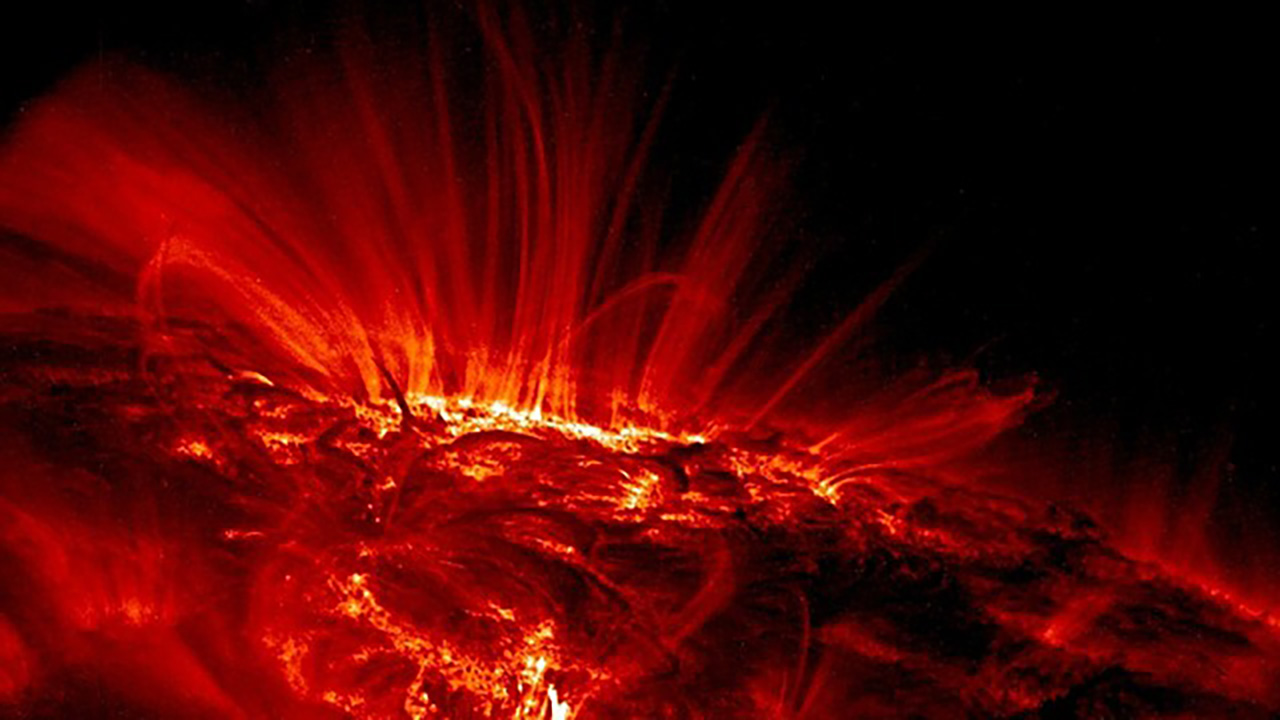
Photo credit: WikiImages/Pixabay.com
Solar activity is holding at a brisk pace, and that is keeping aurora hunters on alert across the northern United States and beyond. With the Sun near the peak of its current cycle, you are heading into a stretch when geomagnetic storms can light up the sky with little warning, and the tools to track your next chance have never been more accessible.
Instead of treating each display as a once‑in‑a‑lifetime surprise, you can now follow the Sun’s mood almost in real time, then decide whether it is worth driving out of town, staying up late, or even booking a last‑minute flight north.
Solar maximum is here, and the Sun is not quieting down
You are watching the aurora story unfold against the backdrop of a restless star. Solar scientists describe the current upswing in activity as the maximum phase of this solar cycle, a period when sunspots, flares, and eruptions spike and geomagnetic storms become more common. Video briefings on the current cycle note that the sun has reached the maximum phase of its roughly 11‑year rhythm, which is why you have seen more headlines about Northern Lights sightings far from the Arctic.
That elevated baseline is not just a label on a chart, it is visible in the day‑to‑day behavior of the Sun. Space weather monitors have highlighted an M5.1 flare from a New Active Region, and solar observers tracking the Monthly mean Sunspot Number have seen values that confirm a busy surface. Daily “Sun news” updates describe how a C9.9 flare, almost strong enough to be classed as M1, has topped an already active day on the Sun, underscoring that you are not dealing with a quiet star gently coasting toward minimum.
Why this aurora season could feel like a once‑in‑a‑lifetime run
For aurora watchers, the payoff from this solar vigor is a run of seasons that could rival anything you see again for decades. Specialists who focus on polar tourism and space weather note that solar scientists now believe the 2025 and 2026 aurora seasons could be a “once in a lifetime” window, with more power and more Northern Lights than typical cycles deliver. That expectation is grounded in the combination of high sunspot counts and frequent flares, which together raise the odds that charged particles will pour into Earth’s magnetic field and ignite the sky.
Forecasts looking ahead to the next year support the idea that you should not write off 2026 as an afterthought. Analysts who track the evolution of the cycle say that, although no one can guarantee that sunspot numbers will not surge again, it is very likely that the solar maximum of this cycle has already passed, yet strong auroras will almost certainly continue through 2026. Travel guides that coach you on how to see the lights without leaving the country add that solar maximum is not the only time to catch the aurora, but it does bring above‑average intensity and frequency, which is exactly the pattern you are stepping into now.
From the Dakotas to New York, who is in the aurora crosshairs?
One of the clearest signs that this solar cycle is different for U.S. skywatchers is how far south the auroral oval has dipped during stronger storms. Space weather forecasters have already warned that the Northern Lights could be visible across a broad swath of the northern tier, including Idaho, North Dakota, and South Dakota, as well as the Upper Midwest states of Minnesota, Wisconsin, and Michigan. On the eastern side of the country, the same alerts have highlighted Maine, Vermont, and New York as being in the potential viewing zone, which means you no longer have to live in Fairbanks to have a realistic shot at a display.
Recent guidance from forecasters has even singled out a corridor stretching from the northern Plains through the Great Lakes into New England, noting that NOAA’s Space Weather Prediction Center says the Northern Lights could be visible from the Dakotas, Minnesota, Wisconsin, Michigan, and Maine during stronger events. If you are in a city like Fargo, Duluth, or Bangor, that puts you in a front‑row seat when the Kp index spikes. Even residents of more southerly states have seen rare outbursts during the most intense storms, and locations such as well‑known aurora viewpoints in the interior West and popular dark‑sky parks in the Northeast have become magnets for last‑minute road trips when alerts go out.
How to read the forecasts that matter
To turn this elevated solar activity into an actual night under the aurora, you need to know which forecasts are worth your attention. The most immediate tool is the aurora 30‑minute forecast, which shows where the auroral oval is expected to be in the next half hour, and a companion description explains that the aurora is an indicator of current geomagnetic storm conditions and a way for you to actually experience space weather. For a broader snapshot, you can turn to the aurora dashboard, an experimental one‑stop shop that pulls together multiple data streams so you can see at a glance whether conditions are trending in your favor.
If you want to plan more than a night ahead, you can look at the aurora forecast from the Geophysical Institute, which lists predicted Kp values such as Kp 5 for several consecutive days, a level that often brings auroras into mid‑latitude skies. For a sense of the underlying solar energy feeding those forecasts, the 27‑day outlook of 10.7 cm radio flux and geomagnetic indices from the Department of Commerce, NOAA, Space Weather Prediction Center, lays out how solar flux and expected geomagnetic activity evolve over nearly a month. Short‑term tools like the aurora viewline for tonight and tomorrow night show the brightness and location of the auroral oval as a green band centered on Earth’s magnetic pole, which helps you judge whether your latitude is likely to be under the glow.
Turning data into a real‑world plan
Once you have a handle on the Sun’s behavior and the forecast tools, the final step is translating numbers into decisions about where and when to go. Meteorologists who have walked viewers through the implications of solar maximum, including Chris Michaels explaining what NASA’s announcement of solar maximum means, emphasize that you should watch both space weather and cloud cover. Travel planners who specialize in aurora trips within the United States stress that you do not need to cross an ocean, and that the sun has reached the maximum phase of its cycle at a time when domestic dark‑sky locations are easier to reach than ever.
Guides that focus on practical viewing advice point out that you can stack the odds in your favor by combining strong Kp forecasts with road‑trip friendly destinations. That might mean heading for rural stretches of Idaho or the open plains of North Dakota and South Dakota, or aiming for forested lake country in Minnesota, Wisconsin, and Michigan, where light pollution drops quickly once you leave the cities. On the East Coast, coastal and inland sites in Maine, Vermont, and New York give you a similar mix of dark skies and reasonable access. As one travel‑focused explainer on aurora visibility notes, solar maximum is not the only time to see the lights, but this fall and likely winter are especially favorable, so if you have been waiting for the right moment, the Sun is telling you that the time to go is now.