The coffee creamer ingredient people don’t notice (and should)
Photo credit: Elana Selvig/Unsplash.com
Coffee drinkers tend to obsess over beans, brewing methods, and mugs, but the quiet wildcard in your cup is often the creamer. The ingredient that deserves more scrutiny is not the flavoring or the sugar, it is the industrial oil that quietly turns a bitter drink into a silky dessert. Once you start reading labels with that in mind, the gap between what you think you are pouring and what is actually in the bottle becomes hard to ignore.
That disconnect matters because you probably reach for creamer every single morning, sometimes more than once a day. When a habit is that routine, even a small amount of a highly processed ingredient can add up in ways you do not intend. Understanding what those oils are doing in your coffee, and what to use instead, lets you keep the ritual while changing the impact on your body.
The hidden star of modern coffee creamers
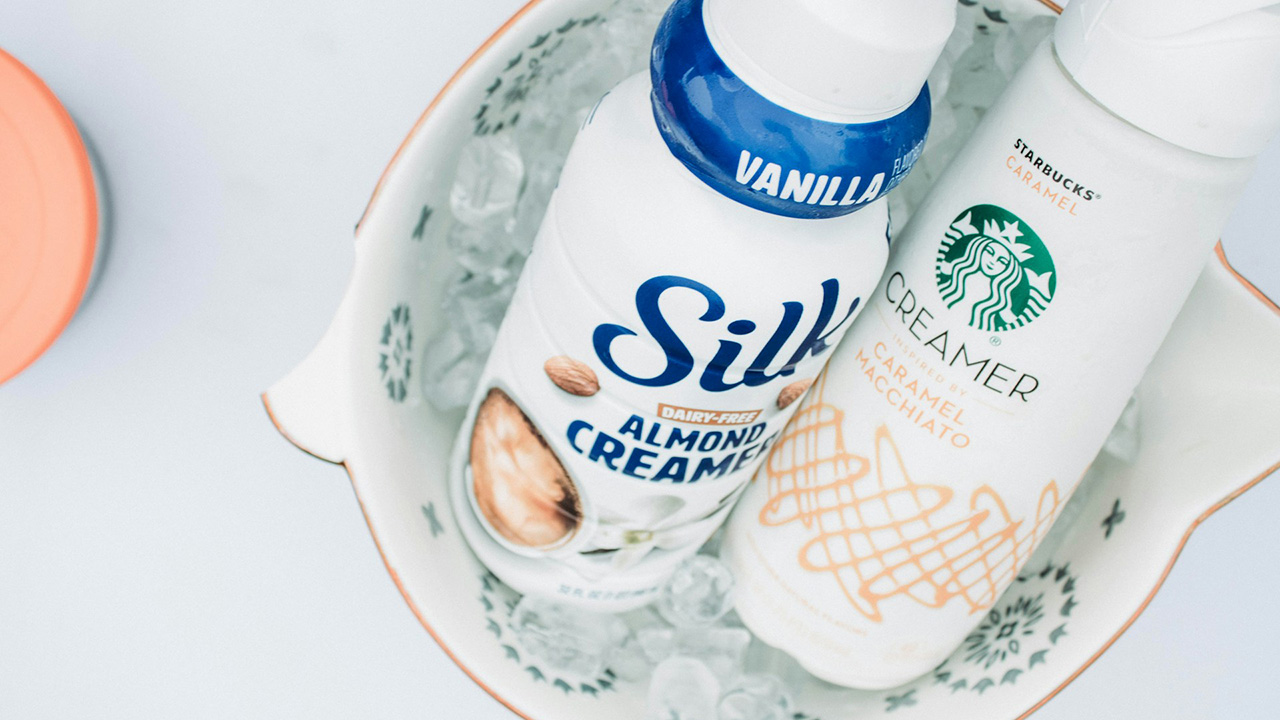
Most people assume coffee creamer is just a sweeter, thicker version of milk, but the backbone of many popular products is refined vegetable oil. Instead of cream, you are often getting a blend of water, sugar, and oil that has been engineered to look and feel like dairy. That swap is easy to miss because the packaging leans on words like “creamy,” “vanilla,” or “hazelnut,” while the oil sits quietly in the ingredients list under names like “vegetable oil,” “high oleic sunflower oil,” or “canola oil.”
The reason manufacturers lean so heavily on these oils is simple: they are cheap, shelf stable, and create a rich mouthfeel that mimics real cream. Coffee is one of the most popular beverages on the planet, with over 60% of adults consuming at least one cup a day, so there is a strong incentive to build a product that can sit unrefrigerated in warehouses and still pour smoothly months later. Oil delivers that stability in a way fresh dairy cannot, which is why you see it not just in powdered creamers but in many flavored liquids lined up near the milk.
Why oil shows up where cream should be
From a food science perspective, oil is a shortcut to the sensory experience you expect from cream. When you pour a typical flavored creamer, the silky texture and opaque swirl in your mug come from emulsified fat droplets suspended in water, not from milk proteins. Vegetable oils are easy to homogenize with water using additives, and they resist separating on the shelf, which makes them ideal for products that need to look identical from the first pour to the last. That is especially true for non refrigerated creamers that are designed to sit in your pantry without spoiling.
Cost and logistics also drive the shift from cream to oil. Real dairy is perishable, requires cold storage, and fluctuates in price, while commodity oils are relatively inexpensive and stable. A pantry creamer that relies on oil can be shipped and stored without refrigeration, which is why non refrigerated creamers often combine oil with additives like carrageenan or gums to keep everything suspended. One detailed breakdown of common formulas notes that you can find this kind of additive in many organic, non dairy products such as soy, almond, and coconut milks, and that it is especially common in shelf stable creamers that do not require refrigeration, a pattern that shows how far the product has drifted from simple milk and sugar.
The additive web that props up those oils
Once oil replaces cream, manufacturers need a support system of additives to keep the product from separating or tasting flat. That is where emulsifiers, thickeners, and stabilizers come in, creating the illusion of a unified, creamy liquid. Ingredient lists for mainstream creamers often read like short chemistry sets, with multiple gums, flavor enhancers, and colorings layered on top of the base of oil and sweetener. A popular social media breakdown of “Most Coffee Creamers” describes them as “Heavily Processed” and “Packed” with “Additives,” warning that “Many” brands rely on this cocktail rather than straightforward dairy.
One of the most debated additives in this category is carrageenan, a thickener derived from seaweed that helps give plant based milks and creamers a richer body. You can find this additive in many organic, non dairy and meat products such as soy, almond, and coconut milks, and it is frequently used in non refrigerated creamers and even some half and half products. The Food and Drug Administration, often shortened to the FDA, considers carrageenan “generally recognized as safe,” but some experts have warned that certain forms and doses may irritate the gut. That tension leaves you in the position of deciding how comfortable you are with a daily splash of a thickener that exists mainly to make oil feel like cream.
What everyday drinkers are starting to notice
As more people start reading labels, you can see a quiet backlash against heavily engineered creamers in everyday conversations. In one coffee focused community, a commenter named Sarah Lawrence explained that she buys an Oatly brand, regular unsweetened product specifically because it has no oils or gums, and that she has stuck with that choice for 4 yrs. Another member, Lea Berkoff Romanoff, chimed in to say that all that is in her coffee is a simple, less processed option, underscoring how some drinkers are deliberately avoiding the long ingredient lists that have become standard.
Similar warnings show up in allergy and health oriented groups where people trade notes on what works in their mugs. One post that opened with “Use coffee creamer? Watch out for the ‘coffee creamer’ as there’s no cream in it” pointed out that many brands are packed with trans fats and additives, and suggested mixing half heavy cream and half almond milk instead. Another viral breakdown urged readers to “take a look at the ingredients in your coffee creamer” and described “Commercial” products as loaded with “nasty” components, before offering an “easy way to swap out that nasty coffee creamer” with simpler ingredients. These conversations are not academic debates, they are practical reactions from people who realized that the ingredient they were ignoring was driving most of what they were actually drinking.
When “non dairy” does not mean simple
Plant based creamers are often marketed as the healthier, more natural alternative, but many of them lean on the same oil heavy formulas as their dairy free counterparts. A carton that highlights oats, almonds, or coconut on the front can still be built on a base of vegetable oil, sugar, and stabilizers, with only a modest amount of the featured plant ingredient. That is why some shoppers in the coffee community singled out specific products like Oatly regular unsweetened, noting that they chose it precisely because it contains no oils or gums, in contrast to other non dairy options that quietly rely on those additives.
At the same time, there is a growing niche of plant based brands that try to avoid the oil trap by keeping formulas short and recognizable. Companies like MALK Organics and Califia Farms have built reputations around simpler ingredient lists, particularly in their organic lines. In one widely shared video, a nutrition focused creator listed “Five” brands they rely on for cleaner creamers, naming malk organics, califia farms (organic line), forager project, laird superfood, and organic valley as examples. Another clip from the same creator urged viewers to choose creamers by MALK, Organics, Califia Farms, Laird, and Valley instead of more processed options, signaling that the market is starting to reward products that skip the industrial oil base.
The health tradeoffs behind that silky pour
From a health perspective, the concern is not that a single splash of oil based creamer will cause immediate harm, but that it can quietly shift your daily intake in ways you might not intend. If you drink multiple cups of coffee a day and pour generously, you can end up consuming a significant amount of refined oil, sugar, and additives without ever opening a snack. Some social media health educators have gone so far as to say “Please do yourself a favor and stop using your CoffeeMate and International Delight coffee creamers,” arguing that these products are filled with ingredients that do not support long term health, and urging viewers to look for alternatives with fewer, more recognizable components.
The debate around carrageenan captures the broader tradeoff. The FDA has classified it as “generally recognized as safe,” which means it is allowed in a wide range of foods, including many creamers and plant milks. At the same time, some nutrition experts quoted in consumer guides have warned that certain forms of carrageenan may irritate the digestive tract in susceptible people, and that ultra processed creamers could potentially add harmful ingredients when used daily. A detailed paleo oriented analysis went further, suggesting that heavy reliance on carrageenan and similar additives in non refrigerated creamers and even some half and half products might contribute to chronic discomfort for some users. While not everyone will react the same way, the pattern reinforces the idea that the ingredient you are not noticing can be the one shaping how your morning coffee makes you feel.
What nutrition pros actually recommend instead
When dietitians and health coaches weigh in on coffee creamer, they tend to steer you back toward options that look more like traditional dairy or minimally processed plant milks. One nutrition explainer framed “Heavy Cream, Milk, or Half-and-Half” as straightforward choices, noting that while they are higher in fat and calories than some plant based options, organic, grass fed versions are closer to food in its natural state. The same guide emphasized that these simple dairy products avoid the cocktail of oils, gums, and flavorings that define many flavored creamers, which can make them a better fit if you are trying to cut down on ultra processed ingredients.
Social media educators echo that message with very concrete swaps. In one clip, a creator held up a carton labeled with “Two” ingredients, highlighting “Organic” grade A milk and cream, and urged viewers to “Swap” their creamer and see how much better they feel. Another video from the same educator repeated the advice to skip heavily processed brands and instead choose creamers by MALK, Organics, Califia Farms, Laird, and Valley, or to use organic Valley’s half and half. These recommendations are not about perfection, they are about trading a long list of industrial inputs for a short list of ingredients you would recognize in your own kitchen.
Simple DIY options that cut out the mystery
If you want full control over what goes into your cup, homemade creamer is one of the easiest kitchen projects you can take on. A popular recipe that circulates among home cooks uses just three ingredients: sweetened condensed milk, skim milk, and vanilla. Reviewers praise the quick prep and the fact that you can customize the sweetness or swap in a different dairy or non dairy milk, which lets you avoid oils and gums entirely while still getting a rich, flavored pour.
For an even more stripped down approach, some coffee drinkers simply combine heavy cream or half and half with a touch of maple syrup or honey and a dash of vanilla or cinnamon. One social media post that urged people to stop using highly processed creamers suggested mixing half heavy cream and half almond milk as a compromise that lightens the texture without relying on industrial oils. Others in health focused communities report success with unsweetened oat or almond milks that list only water, the base ingredient, and perhaps a pinch of salt, mirroring the choices of people like Sarah Lawrence who deliberately seek out products with no oils or gums. In each case, the goal is the same: keep the ingredient list short enough that you do not need a chemistry degree to understand it.
How to read the label like a pro
The fastest way to spot the ingredient you have been overlooking is to flip the bottle and scan the first three items on the list. Ingredients are ordered by weight, so if you see “vegetable oil,” “high oleic sunflower oil,” or similar terms near the top, you are dealing with an oil based creamer, even if the front of the package shows a splash of milk. Next, look for thickeners like carrageenan, gums, or long chains of additives that exist mainly to keep oil and water from separating. If sugar or corn syrup solids also appear high on the list, you are essentially pouring a sweetened oil emulsion into your coffee rather than a simple dairy product.
Once you know what to look for, comparing options becomes much easier. A carton that lists only milk and cream, or a plant based creamer that contains just water, oats or almonds, and perhaps salt, will stand out immediately against a competitor with a dozen ingredients. Consumer posts that call out “Most Coffee Creamers” as “Heavily Processed” and “Packed” with “Additives” are responding to exactly this contrast. When you see a product promoted by health focused creators who highlight brands like MALK Organics, Califia Farms, forager project, laird superfood, and organic valley, you can use the label to verify that the ingredient list really is shorter and more recognizable. Over time, that habit turns the quiet, overlooked oil in your coffee into a conscious choice rather than a default you never meant to make.