Tenant Says Landlord Put Cameras in the Hallway and Backyard — Then One Pointed Toward the Bedroom
Photo credit: Now Rundown
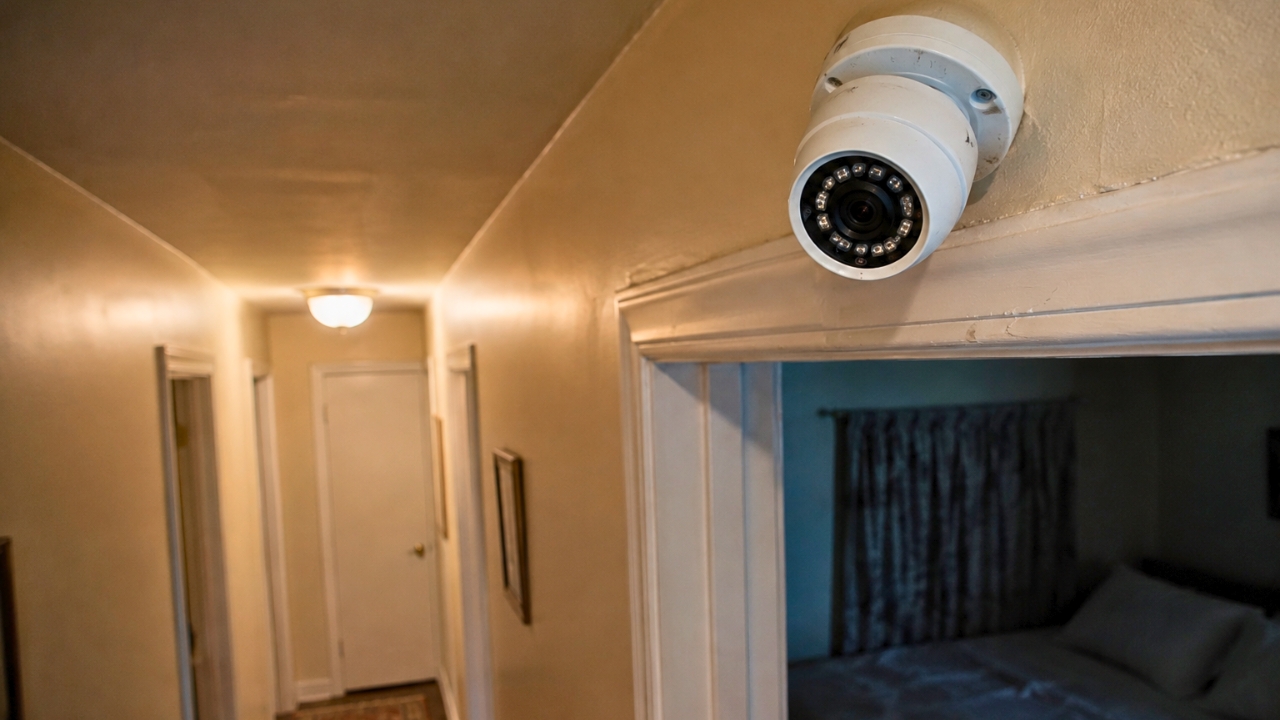
A tenant said a landlord’s new camera setup became deeply uncomfortable after one of the cameras allegedly pointed directly toward the tenant’s bedroom.
The tenant shared the situation in a post on r/legaladvice, explaining that the landlord had installed cameras in the hallways and backyard of the house. Security cameras in shared or outdoor areas are not automatically unusual. Landlords may install them to monitor entry points, protect property, deter theft, or keep an eye on common spaces.
But the tenant said one camera’s angle created a serious privacy concern.
According to the post, one of the cameras looked directly into the tenant’s bedroom. That changed the issue from a general security setup into something much more personal. A hallway camera or backyard camera may be annoying or uncomfortable, but a camera facing a bedroom raises an entirely different set of questions.
A bedroom is one of the most private spaces in any home. It is where people sleep, change clothes, keep personal belongings, and expect to be away from outside observation. Even if the landlord claimed the camera was meant to watch the backyard or hallway, the tenant’s concern was that the camera’s view included an area where they had a strong expectation of privacy.
That kind of setup can leave a tenant feeling watched even when nothing has happened yet. They may start closing blinds constantly, avoiding certain parts of the room, changing routines, or worrying about whether the camera records audio too. Even the possibility that someone could see into the bedroom can make the home feel less secure.
The tenant wanted to know what they could do. Could they demand the camera be moved? Was the landlord allowed to install cameras around the property? Did the angle into the bedroom make it illegal? Should they cover the window, contact authorities, or put their objection in writing?
Those questions are complicated because camera rules often depend on location, expectation of privacy, lease terms, notice, and whether the property is shared. A landlord may have more freedom to record common areas or exterior spaces than private rooms. But a camera that captures the inside of a tenant’s bedroom is much harder to justify.
The hallway and backyard placement also raised a practical problem. The landlord could argue the cameras were aimed at shared areas and that any view into the bedroom was incidental. The tenant, however, was the one living with the result. If the lens could see into the room, the landlord’s stated purpose did not erase the privacy concern.
The tenant’s next move mattered. If they simply covered the camera, they could be accused of tampering with the landlord’s equipment. If they ignored it, the camera would remain pointed where they believed it should not be. If they confronted the landlord angrily, the conversation could turn into a lease dispute.
That left the tenant looking for a careful way to protect their privacy without making the situation worse.
Commenters focused on proof. Several people told the tenant to take photos or video showing exactly where the camera was installed and what direction it faced. If the tenant could show that the camera looked into the bedroom, that would make the complaint much stronger.
Others suggested communicating with the landlord in writing. Instead of only bringing it up verbally, the tenant could send a message explaining that one of the cameras appeared to face into the bedroom and requesting that it be repositioned immediately. That would create a record that the landlord had been notified of the privacy concern.
Some commenters said the tenant should check the lease and local laws. Cameras in common spaces may be allowed in some rentals, but recording private areas is another matter. If the landlord refused to move the camera, commenters suggested contacting a local tenant-rights group, housing authority, or attorney for location-specific advice.
There was also practical advice about the bedroom window. Commenters suggested closing blinds, adding curtains, using privacy film, or otherwise blocking the view while the tenant worked through the issue. Those steps would not solve the landlord’s responsibility, but they could give the tenant some immediate privacy.
Several people warned the tenant not to damage or remove the camera themselves. Even if the camera was wrongly angled, tampering with it could create a separate dispute. A written request and documentation would be safer than physically interfering with the equipment.
Others brought up audio. If the cameras recorded sound, that could raise additional legal concerns depending on the state. Commenters suggested the tenant ask whether the cameras recorded audio and whether footage was stored or monitored live.
The post did not end with the landlord moving the camera or an authority stepping in. It ended with a tenant trying to understand what rights they had when a landlord’s security system appeared to cross into private living space.
That is what made the situation feel so invasive. A tenant can understand a camera at an exterior door. They can understand cameras watching a driveway or shared hallway. But a camera aimed toward a bedroom feels less like security and more like surveillance.
Commenters did not tell the tenant to shrug it off. They told them to document the angle, contact the landlord in writing, block the view temporarily, and get local legal guidance if the landlord refused to correct it.
Because once a camera points toward a tenant’s bedroom, the issue is no longer only where the landlord is allowed to install security equipment. It is whether the tenant can expect privacy in the one room where that privacy should be obvious.
Check out more from Now Rundown here.

Abbie Clark is the founder and editor of Now Rundown, covering the stories that hit households first—health, politics, insurance, home costs, scams, and the fine print people often learn too late.