Tenant Says an Expensive Package Was Pulled From the Amazon Hub Before They Ever Got the Pickup Code
Photo credit: Nowrundown.com
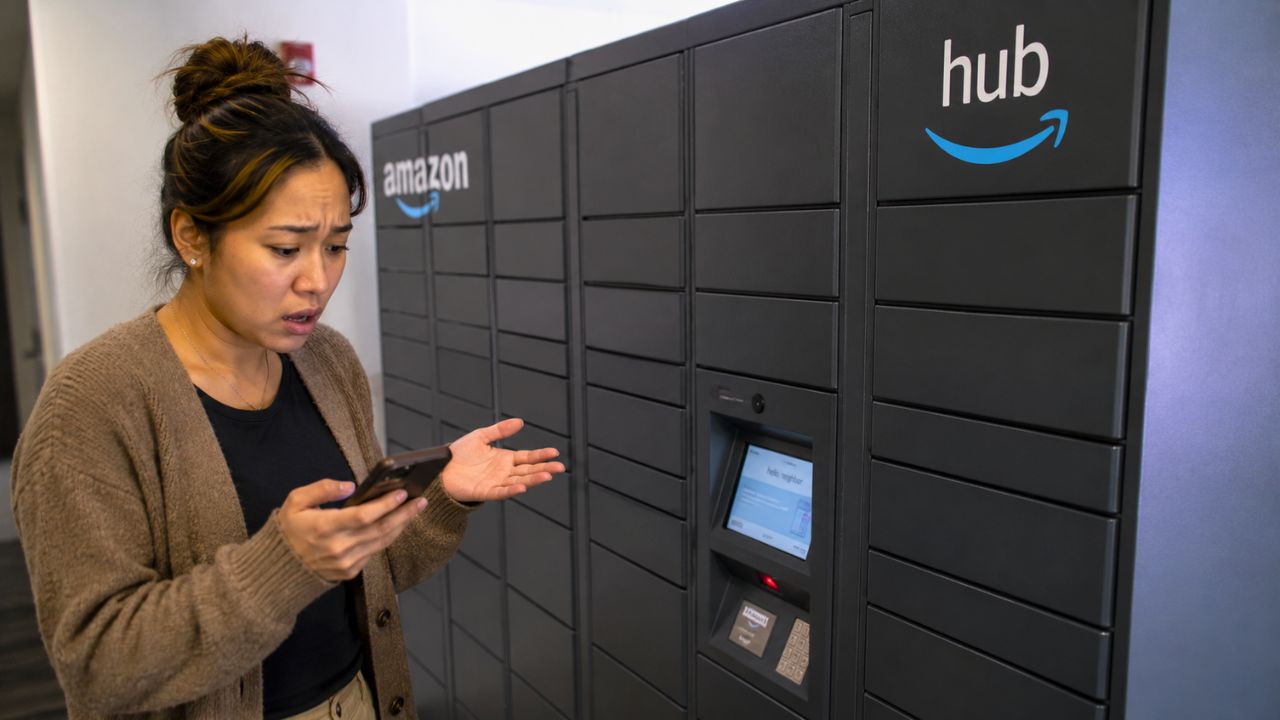
An apartment resident said a package delivery became a serious theft concern after an expensive and personal item was allegedly removed from an Amazon Hub locker before the resident ever received the access code.
The resident shared the situation in a post on r/legaladvice, explaining that the package was supposed to be delivered through an Amazon Hub locker in their apartment building. Those lockers are supposed to make deliveries safer. Instead of a box sitting in a hallway, lobby, or mailroom where anyone might grab it, the package is locked away until the recipient gets a code.
But according to the resident, that system failed.
The package was allegedly removed from the locker before the resident ever got the code. That detail is what made the situation so frustrating. If the resident never received the access information, they had no real chance to pick up the package. Yet the item was still gone.
That raises obvious questions about who had access. Did the carrier place it in the wrong compartment? Did someone else receive a code by mistake? Did the building staff, delivery worker, another resident, or someone with access to the locker system remove it? Did Amazon’s records show the package was picked up? Was there camera footage near the locker?
The item’s value and personal nature made the situation worse. A missing low-cost delivery is annoying. An expensive or personal package disappearing from a supposedly secure locker creates a much bigger problem. The resident may have needed the item for work, school, medical reasons, travel, or something private enough that they did not want it handled by anyone else.
The locker system also made accountability confusing. The apartment building may say Amazon controls the lockers. Amazon may say the package was delivered or retrieved according to its system. The carrier may say delivery was completed. Management may say it cannot access locker records. Meanwhile, the resident is the one without the package.
That is the trap with shared delivery systems. They are designed to reduce theft, but when something goes wrong, the resident may not know who actually has the information needed to investigate. The key evidence could be in locker access logs, delivery scans, timestamped pickup records, building cameras, or Amazon’s internal records.
The resident wanted to know what could be done. Should they file a police report? Contact Amazon? Demand building footage? Ask management to preserve video? Was the building responsible for the locker area? Could they prove the package was stolen if the system said it had been picked up?
The post did not describe the item being recovered. It described the frustrating moment when a secure delivery system produced the worst possible answer: the package was gone before the person it belonged to ever had the code.
Commenters generally told the resident to start by gathering all delivery and locker records available to them.
Several people said the resident should save the order confirmation, tracking details, Amazon Hub notification history, delivery timestamp, and any messages showing they never received the pickup code. That last point mattered because it could support the resident’s claim that they did not have a chance to retrieve the package.
Others suggested contacting Amazon support and escalating beyond the first customer-service response if needed. Because Amazon controls many Hub locker systems, commenters said Amazon may be able to check locker logs, pickup timestamps, and whether the code was issued to the correct account.
Apartment management also came up. Commenters said the resident should ask management in writing to preserve any camera footage from the locker area during the delivery and pickup window. Even if management did not control the locker system, cameras in the mailroom or lobby might show who approached it.
Several people said a police report could be useful, especially because the package was expensive. A report number might help with Amazon, insurance, or a credit-card dispute. But commenters also recognized that police may need specific evidence before identifying a suspect.
There was also advice to avoid blaming a particular person without proof. The locker system could have failed in several ways. A package could have been placed in the wrong compartment, assigned to the wrong person, removed by mistake, or taken intentionally. The resident needed records before making accusations.
The post did not end with a clear culprit or refund. It ended with the resident trying to figure out how a package could disappear from a locker they were never able to open.
That is what made the situation so aggravating. The Amazon Hub was supposed to prevent theft, not create another layer of confusion.
Commenters did not tell the resident to accept the loss quietly. They told them to save every notification, escalate with Amazon, ask management to preserve footage, file a report if needed, and build a timeline showing the package was removed before the code ever reached the rightful recipient.
Because when an expensive package disappears from a locker before the tenant gets the code, the issue is not only a stolen delivery. It is whether the “secure” system can prove who actually opened the door.
Check out more from Now Rundown:
- A Party of 12 Came Back a Month Later Demanding Their $80 Tip Refunded — My Restaurant Made Me Pay It
- Her Coworker Kept Filing the Same Complaint About Her After Being Warned — Then She Filed a Counter-Report With Every Email Documented
- Siblings Demanded Half of Their Sister’s $11 Million Inheritance — She Refused Because They Never Visited
- The Kid I Bullied in Middle School Just Interviewed for a Job on My Team — He Bombed It and I Didn’t Hire Him

Abbie Clark is the founder and editor of Now Rundown, covering the stories that hit households first—health, politics, insurance, home costs, scams, and the fine print people often learn too late.