Stranger Parked in the Driveway of a Vacant Rental, Owner Says — But the Constable Wouldn’t Remove It
Photo credit: Marina113/istock.com
A property owner said a strange parking problem at a vacant rental turned into a legal headache after someone left a vehicle in the driveway without permission, and local authorities allegedly would not remove it.
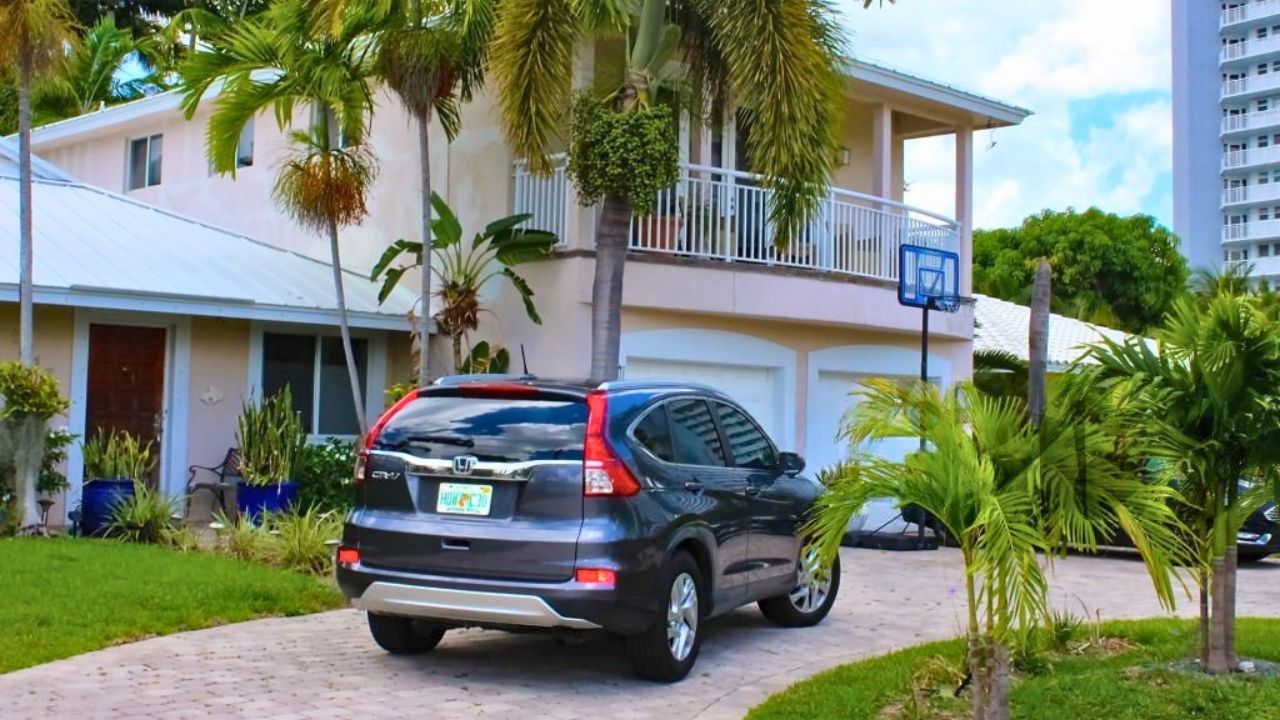
The owner shared the situation in a post on r/legaladvice, explaining that the vehicle was parked in the driveway of a rental property that was sitting vacant. The owner did not know who the car belonged to and had not given anyone permission to leave it there.
At first glance, an unfamiliar car in a driveway may sound like a simple tow-away problem. Someone parks where they should not, the property owner calls a tow company, and the vehicle is removed. But the owner quickly learned it might not be that easy.
According to the post, the owner contacted the constable’s office and was told they could not remove the vehicle. That left the owner in a frustrating position. The car was on private property, the owner wanted it gone, but the people they expected to help were not stepping in.
That kind of situation can feel especially unsettling when the property is vacant. An empty rental can already attract problems: trespassers, abandoned vehicles, illegal dumping, break-ins, squatters, or people assuming no one is paying attention. A strange car in the driveway may be only a parking issue, or it may be a warning sign that someone is using the property without permission.
The owner wanted to know what options were available. Could they have it towed? Did they need to post a notice first? Was it considered abandoned? Did police need to run the plate? What if someone came back and claimed they had permission from someone else? What if the vehicle was stolen?
Those questions mattered because towing a vehicle can carry risks if the owner does not follow the correct local process. If the car is removed improperly, the vehicle owner may complain or try to recover costs. But leaving it there creates its own problems. The rental looks occupied or neglected, potential tenants cannot use the driveway, and the property owner loses control over their own space.
The lack of an obvious owner made it even more complicated. If the car belonged to a neighbor’s guest, the owner might be able to solve it with a conversation. If it belonged to a stranger, the situation could be more serious. If the car had been dumped, stolen, or abandoned, the owner needed the right record before taking action.
The vacant-rental angle also raised a safety concern. If someone felt comfortable parking there, they might also feel comfortable returning, walking around the property, checking doors, or using the space again. The owner had to think beyond the car itself and consider whether the property needed cameras, signs, locks, or more frequent checks.
The post did not describe a confrontation with the driver. There was no argument in the driveway or note on the windshield from the person who parked there. The problem was the silence: a car sitting where it did not belong, with no one taking responsibility for it and no immediate help removing it.
That can make a property owner feel stuck. The car is visible proof that someone crossed a boundary, but the next step depends on local towing rules, police policy, and whether the vehicle is legally considered abandoned.
Commenters told the owner not to assume the constable’s refusal meant nothing could be done.
Several people said the owner should contact local police or the nonemergency line and ask whether the vehicle could be checked to see if it was stolen or abandoned. If the car was stolen, police would handle it differently than a normal parking dispute. If it was not stolen, the owner could ask what local process applied for a vehicle left on private property.
Others suggested contacting private towing companies and asking what documentation they required to remove a vehicle from private property. Depending on the area, the owner might need proof of ownership of the property, posted signage, a written authorization, a waiting period, or a police report.
Commenters warned the owner not to damage the vehicle, move it themselves, block it in without understanding the law, or do anything that could create a separate dispute. Even though the car was on their property, the safest route was to follow the official private-property towing rules.
Several people also said the owner should document everything. Photos of the car, the license plate, its location in the driveway, the date it appeared, and any calls made to authorities could all matter if the owner later needed to explain why it was removed.
Some commenters suggested leaving a written notice on the car stating that it was parked on private property without permission and would be towed if not removed by a certain time, assuming local law allowed that. Others said the owner should check with police or a tow company first because notice rules vary.
There was also practical advice about protecting the vacant rental. Commenters suggested adding no-trespassing signs, checking locks, installing cameras, and making the property look monitored. A vacant home can invite problems if people think no one is watching.
The post did not end with the vehicle towed or the driver identified. It ended with the owner trying to figure out how to reclaim the driveway without stepping into a legal mess.
That is what made the situation frustrating. The owner was not asking to control a public street or start a fight with a neighbor. They wanted an unauthorized vehicle removed from private property. But because cars are regulated property, the answer was not as simple as dragging it away.
Commenters did not tell the owner to ignore it. They told them to document the vehicle, check whether it was stolen, contact local towing companies, and follow the exact private-property removal process.
Because when a stranger parks in the driveway of a vacant rental, the vehicle itself may be only the first problem. The bigger issue is making sure the property owner takes back control of the space without creating a new legal dispute in the process.

Abbie Clark is the founder and editor of Now Rundown, covering the stories that hit households first—health, politics, insurance, home costs, scams, and the fine print people often learn too late.