Stepchild Refused to Wish Their Stepfather a Happy Father’s Day Despite Never Having Him as a Parent — Then Faced Pressure to Extend an Olive Branch
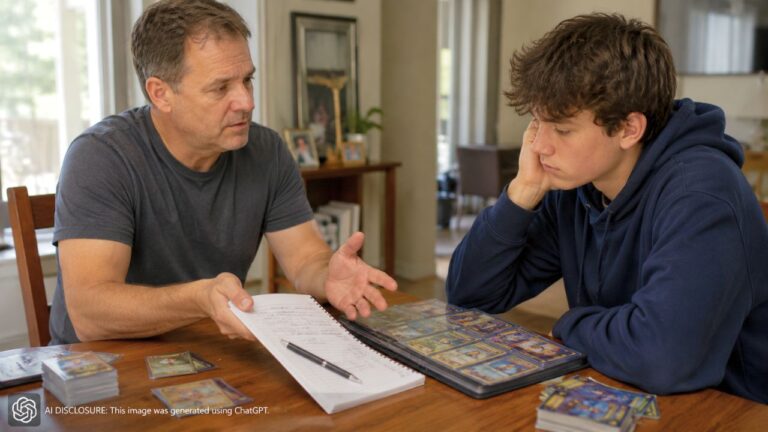
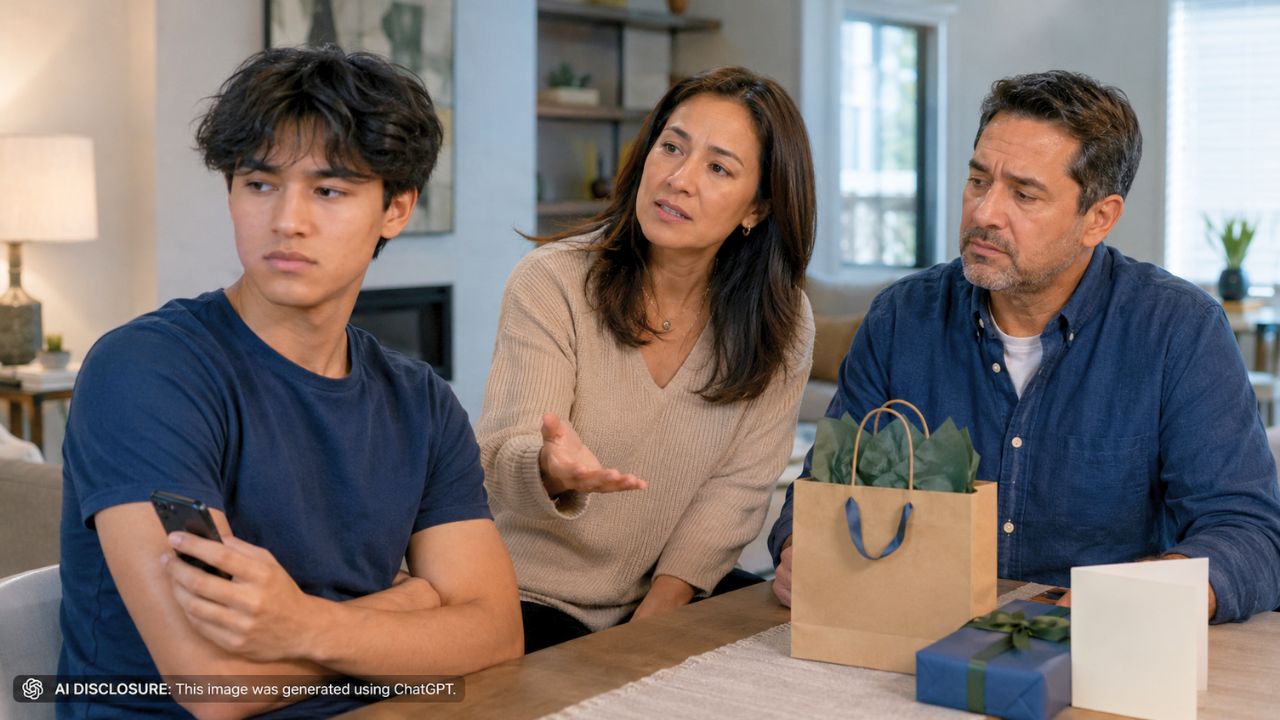
Photo credit: AI-generated image created using ChatGPT. Illustrative only
Father’s Day usually comes with a script: send a text, make a call, keep the peace. But one adult stepchild said they’re being pushed to follow that script for a man they’ve never seen as a parent, and they don’t want to fake it just because the calendar says so. In the original post, they laid out a decade-long history that left them feeling like “cordial” is the best they can offer.
The pressure point came after a health scare. Their stepfather “recently almost died,” and their mom reached out to them and a sibling asking if they could wish him a happy Father’s Day. The request sounded simple. To the poster, it felt like being asked to rewrite the relationship.
They didn’t grow up with him — and they don’t call him “dad”
The poster said their mom met their stepfather when the poster was 19. By then, their childhood was already shaped by a different father, one they described as “a bit of a deadbeat dad for cheating” but also someone who “did stick around and pay the bills until I went to college.”
They said they have “no issues” wishing their biological father a happy Father’s Day. With their stepfather, they don’t feel that bond exists, and they don’t want to perform it. The core of their argument is straightforward: he wasn’t a parent to them, financially or emotionally, and they didn’t build a father-child relationship as adults either.
Living under the same roof turned everyday life into constant friction
The relationship didn’t just fail to grow; the poster said it actively deteriorated during a period after college when they lived with their mom and stepfather for months while waiting to see if they got into grad school. They described the home environment as tense and critical, with frequent fights and a sense that they were not welcome.
They said their stepfather was “very OCD” and that it felt like everything they did around the house was “slightly wrong apparently.” Even when the poster tried to help, it didn’t translate into appreciation or teamwork. Instead, it became another trigger for conflict.
Money also became a recurring flashpoint. The poster said their stepfather was “obsessed over the electric bill,” to the point that it caused “many fights.” They said they tried to end the arguments by offering a practical fix: “I’ll just pay you the difference with my paycheck, can you drop it?” But even that didn’t make the stress go away.
Politics became the third person in the room
Beyond household tension, the poster said politics has been a long-running wedge between them and their stepfather. They described him as having “the opposite politics” and said he has trouble getting through “a weekend” without making comments that ignite arguments.
Over time, the poster changed how they handled it. They said it’s been a decade since that post-college living arrangement, and now they see their mom and stepfather only “a few times a year” because they live far away. When they do visit, the poster said they “just bite my tongue and never bring up politics so I can see my mom.”
That detail is part of what makes the Father’s Day request feel loaded. The poster isn’t describing a warm relationship that simply needs a nudge. They’re describing something managed carefully, with silence and restraint, to keep the family visit from going off the rails.
The health scare changed the urgency, not the history
The stepfather’s near-death experience added a new layer: empathy, guilt, and the fear of future regret. The poster acknowledged that he “never had kids,” that “most of his family is dead,” and that he “almost died.” They also made a point to say they’re “very happy he makes my mom happy.”
Still, they drew a line at Father’s Day specifically. In their view, nearly dying doesn’t automatically make someone a father figure. It might justify kindness and grace, but it doesn’t transform years of conflict into a parental bond.
The poster also noted they already maintain a baseline of respect. They said they get him “nice presents for Christmas,” go on vacation with them sometimes, and keep things cordial. They also said they “always pay my own way,” emphasizing they don’t rely on him financially and don’t see him as someone who stepped into a provider role.
That’s where the stakes become real in an everyday-family way: a single holiday text could be interpreted as acceptance of a title, and not sending it could be treated like a slight during a vulnerable moment. Either way, the poster risks blowback, especially with their mom acting as the messenger.
People zeroed in on what the greeting would actually mean
The post framed the question as less about manners and more about labels. A “Happy Father’s Day” message isn’t the same as “glad you’re recovering” or “thinking of you.” To the poster, it signals a relationship that doesn’t exist and never has.
That’s also why they seemed open to other forms of respect while rejecting this specific one. They described years of effort spent keeping peace—showing up, bringing gifts, traveling together, staying quiet on topics that start fights—without feeling like that effort was returned with warmth or genuine connection.
At the same time, their mom’s request suggests another reality: the stepfather may be lonely, may feel vulnerable after nearly dying, and may want recognition that he’s part of a family unit even if he entered it late. The poster didn’t dismiss that completely; they just didn’t want to turn it into Father’s Day.
A simple text could set the tone for the next decade
The unresolved tension is that the poster is trying to protect a boundary without punishing their mother or escalating a fragile peace. They want to stay cordial, keep seeing their mom, and avoid reopening old fights. But they also don’t want to be nudged into calling someone “dad” in public-facing ways when their private experience has been criticism, conflict, and careful distance.
In families like this, holidays can become proxy battles over roles and respect. The poster’s message wasn’t that they plan to be cruel; it was that they don’t want to lie about what the relationship is. Whether they stick to a firm “no,” offer a different supportive message, or comply to reduce pressure, the larger question remains the same: can they keep the peace without signing onto a version of the family story that doesn’t feel true?
Check out more from Now Rundown:
- A Party of 12 Came Back a Month Later Demanding Their $80 Tip Refunded — My Restaurant Made Me Pay It
- Her Coworker Kept Filing the Same Complaint About Her After Being Warned — Then She Filed a Counter-Report With Every Email Documented
- Siblings Demanded Half of Their Sister’s $11 Million Inheritance — She Refused Because They Never Visited
- The Kid I Bullied in Middle School Just Interviewed for a Job on My Team — He Bombed It and I Didn’t Hire Him

Abbie Clark is the founder and editor of Now Rundown, covering the stories that hit households first—health, politics, insurance, home costs, scams, and the fine print people often learn too late.