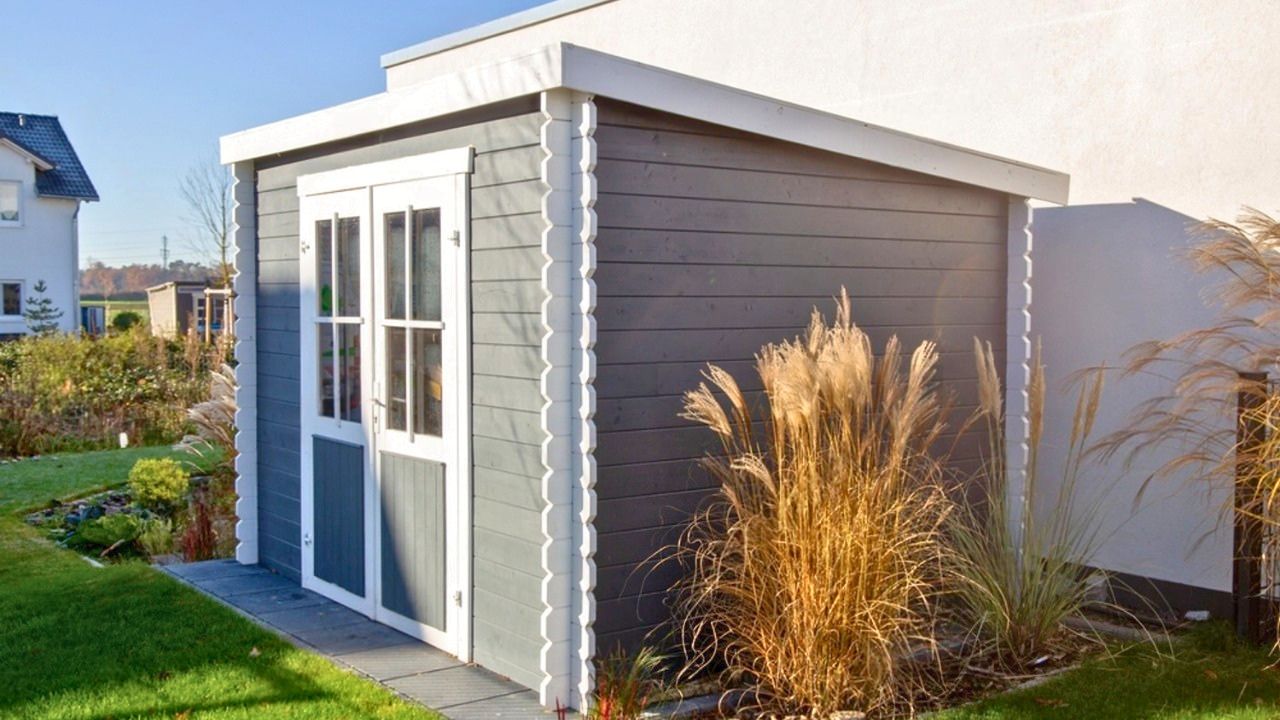
New Neighbor Claimed the Shed and Everything Inside It, Homeowner Says
Photo credit: U. J. Alexander/Shutterstock.com
A homeowner said a strange property dispute started almost immediately after a new neighbor moved in and allegedly claimed ownership of a shed and the items inside it.
The homeowner shared the situation in a post on r/legaladvice, explaining that the shed was on their property and contained belongings that belonged to them. But according to the post, the new neighbor began claiming the shed and its contents as theirs.
That kind of claim can sound almost absurd at first. A shed is not a misplaced package or a lawn chair sitting near a property line. It is a structure. It usually sits in one place for years, often full of tools, storage bins, lawn equipment, or personal items. When a neighbor suddenly claims it, the issue stops being a casual misunderstanding and starts looking like a property dispute.
The homeowner wanted to know what they should do before the situation escalated. That question mattered because property-line disagreements can get messy fast, especially with a new neighbor who may not know the history of the property, the boundary lines, or what belonged to whom before they moved in.
The shed itself was only part of the problem. The contents mattered too. If the neighbor claimed the shed, were they also claiming everything stored inside it? Could they try to remove items? Change locks? Damage the structure? Call police and accuse the homeowner of keeping property that was not theirs?
Those questions can make a homeowner feel pressured to prove something that should already be obvious. If the shed is on their land and filled with their belongings, they may feel like the neighbor’s claim is ridiculous. But if the neighbor keeps insisting, the homeowner still needs a clean way to shut it down.
That is where documentation becomes important. In disputes like this, feelings do not matter nearly as much as surveys, deeds, property records, photos, receipts, and written communication. A homeowner may know the shed is theirs, but if the neighbor refuses to accept it, the homeowner may need proof that cannot be waved away.
The post did not describe the neighbor physically taking the shed or emptying it, at least from the initial concern. But the claim alone was enough to make the homeowner ask for legal advice. When a neighbor says something on your property belongs to them, it creates a warning sign. The next step could be a direct argument, a police call, a property-line fight, or an attempt to take items.
The homeowner’s safest move had to be careful. If they ignored the neighbor, the claim might continue. If they confronted the neighbor angrily, the dispute could escalate. If they moved the shed or emptied it without documenting anything, they could lose useful proof of where everything was when the conflict began.
The whole situation captured a very specific kind of neighbor stress: someone moves in and immediately starts challenging what belongs to you. It makes the home feel less settled because the disagreement is not about noise or parking. It is about the physical property itself.
Commenters focused heavily on the property line. Several people told the homeowner that the first step was to confirm exactly where the shed sat. That meant checking the deed, survey, plat map, or property records, and if needed, hiring a licensed surveyor.
The reason was simple: if the shed was clearly on the homeowner’s property, the neighbor’s claim would be much weaker. If the shed was near the boundary, partly over the line, or built in a confusing location, the situation could become more complicated.
Others told the homeowner to document the shed and everything inside it. Photos of the structure, its location, the contents, locks, tools, equipment, and any identifying marks could help if anything disappeared or was damaged later. If the homeowner had receipts or older photos showing the shed had been theirs for years, those could also help.
Several commenters warned against letting the neighbor access the shed. If the neighbor had not proven ownership, there was no reason to give them keys, allow them to remove items, or let them inspect the contents without a clear purpose. The homeowner needed to protect the property while keeping the dispute calm and documented.
Some people suggested communicating in writing. A short message stating that the shed and contents belonged to the homeowner and that the neighbor did not have permission to enter or remove anything could create a useful record. If the neighbor continued pressing the issue, the homeowner would have proof that the boundary had been stated clearly.
Police came up as well, but commenters were realistic. If the neighbor simply claimed the shed verbally, police might not do much. But if the neighbor entered the shed, took items, damaged the structure, or refused to leave the property, the homeowner could have a clearer reason to call.
The post did not end with a survey result or the neighbor backing down. It ended with the homeowner trying to get ahead of a dispute before it turned into a bigger property fight.
That is what made commenters push for proof before confrontation. A neighbor claiming a shed may sound ridiculous, but a property-line mistake or old misunderstanding can turn into a costly legal problem if nobody checks the records.
The clearest advice was to verify the boundary, photograph everything, keep the shed secured, communicate in writing, and call police only if the neighbor crossed from claiming into taking, entering, or damaging.
Because when a new neighbor claims your shed and everything in it, the best answer is not a shouting match over the fence. It is a survey, a paper trail, and proof strong enough to end the argument before it becomes a real fight.

Abbie Clark is the founder and editor of Now Rundown, covering the stories that hit households first—health, politics, insurance, home costs, scams, and the fine print people often learn too late.