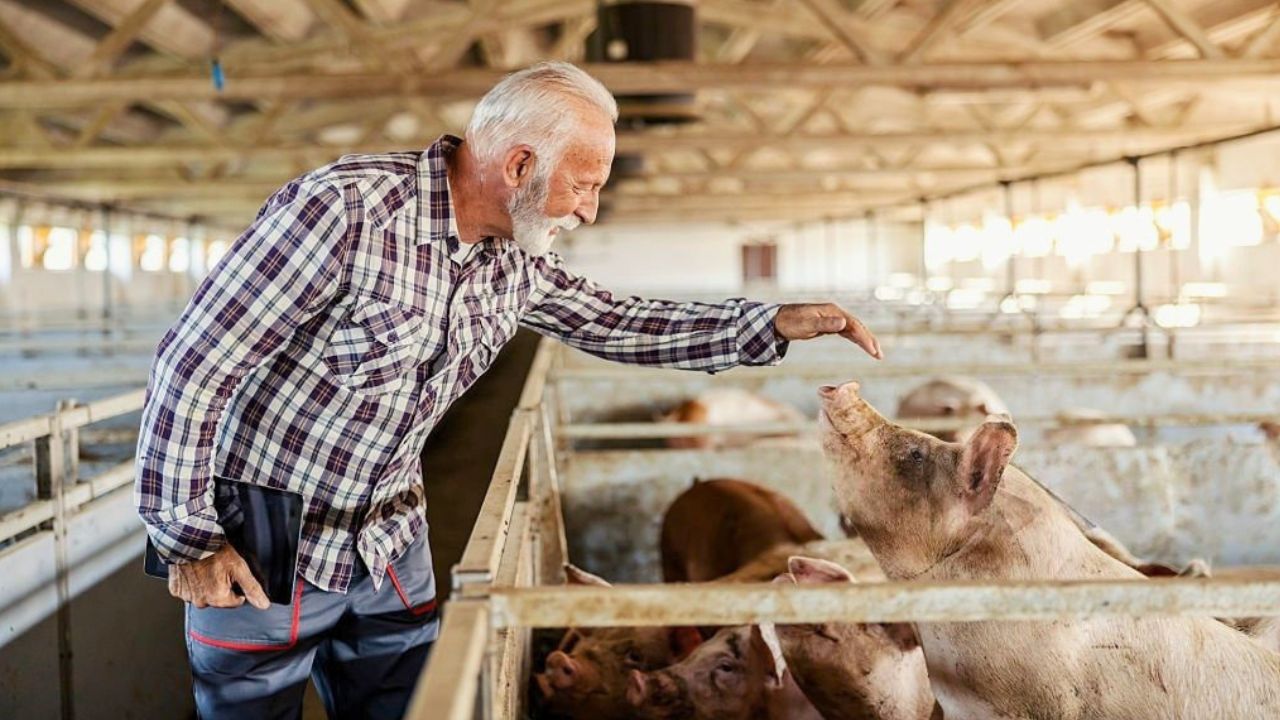
New Homeowners Picked a Fight With Their Farmer Neighbor — Then 200 Pigs Moved In Next Door
Photo credit: Dusanpetkovic/istock.com
A couple who moved into an agricultural area said they knew, in theory, that they had bought property near working farmland. But knowing that on paper and living beside it turned out to be two very different things.
The farm next door was not a decorative field or a hobby garden. It was real agricultural land, and the farmer who owned it had been there long before the couple arrived. That meant equipment, smells, noise, animals, and the usual realities of rural life.
The couple struggled with that.
They did not like some of the noise and activity coming from the farm. Instead of building a friendly relationship with the farmer or taking time to understand what normal farming looked like in the area, they let irritation build. Eventually, they complained.
That complaint became a much bigger problem than they expected.
According to the Reddit post, the poster later realized they may have badly misread the situation. They had moved into agriculturally zoned land and then provoked a farmer neighbor who had every right to farm there. The update made the consequence painfully clear: a barn had been built, and the couple believed around 200 pigs were about to become their newest neighbors.
That changed the math fast.
One loud tractor or annoying smell suddenly looked mild compared with living next to a large pig operation. Pigs are not quiet little backyard pets. They are noisy, strong-smelling, and very much part of real agriculture. In a properly zoned farming area, the farmer may have been completely within his rights to bring them in.
The couple began to understand that they had made a rookie rural-living mistake: they assumed the countryside would stay pleasant and scenic without fully respecting the business happening around them.
Commenters did not have much sympathy.
Many pointed out that farming zones exist for farming. If you move next to a farm, you do not get to be shocked when farming happens. Complaining about normal agricultural activity can sour the relationship with the one neighbor whose goodwill matters most.
Others said this was a classic example of people moving to rural areas for peace and space, then trying to change the very place they moved into. The farm was not the newcomer. They were.
The pig barn update made the lesson almost comically harsh. The couple had hoped to reduce the nuisance. Instead, they may have helped create a situation where the nuisance multiplied by 200 and came with hooves.
To be fair, rural living can surprise people. Smells travel. Machinery starts early. Animals do not care about weekends. Dust, manure, flies, and odd hours are part of it. But that is exactly why buyers need to understand zoning before they buy, and why neighbor relationships matter.
The farmer did not need the couple’s permission to use farmland as farmland.
By the end, the poster seemed to know they had miscalculated. The title alone carried the regret. They had not apologized when they should have. They had not handled the neighbor relationship carefully. And now, the farm next door might be expanding in a way that would make their earlier complaints look tiny.
Sometimes the country is quiet. Sometimes it is 200 pigs.
Commenters were blunt that the couple had moved into the farmer’s world, not the other way around. Many said agriculturally zoned land comes with agricultural realities, and buyers need to understand that before closing.
A lot of readers thought the farmer’s pig expansion sounded like either normal business or very effective petty revenge. Either way, they said the couple had little room to complain if the farm was operating legally.
Several commenters said the smarter move would have been to build goodwill early: introduce themselves, ask questions, apologize when needed, and accept that farming does not work on suburban comfort rules.
The strongest reaction was that rural land is not a theme park version of the countryside. If you buy beside a working farm, you may get views and quiet some days — but you may also get tractors, manure, livestock, and a neighbor who knows the zoning laws better than you do.

Abbie Clark is the founder and editor of Now Rundown, covering the stories that hit households first—health, politics, insurance, home costs, scams, and the fine print people often learn too late.