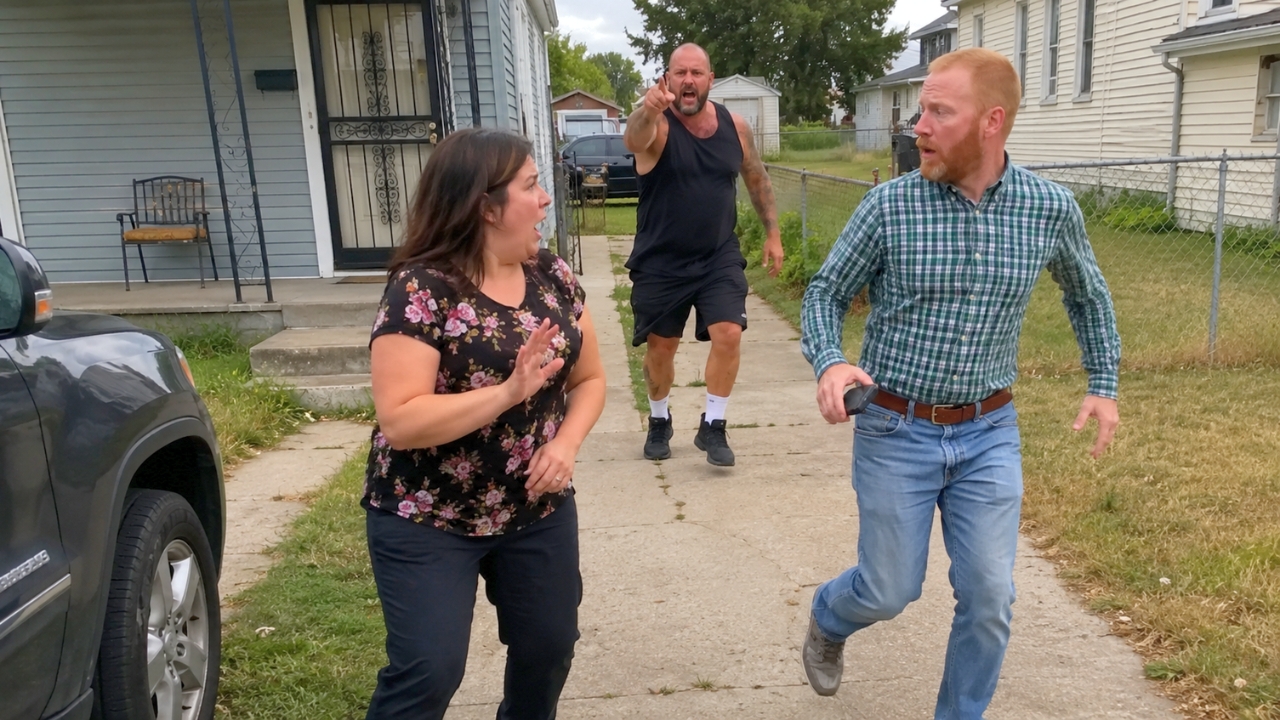
Neighbor’s Tenant Allegedly Chased People From the Property — Homeowner Asked About a Restraining Order
Photo credit: Now Rundown
A homeowner said a dispute involving a neighbor’s tenant became serious enough that they started asking whether a restraining order was possible.
The homeowner shared the situation in a post on r/legaladvice, explaining that the problem was not simply a noisy neighbor or a one-time awkward exchange. According to the post, the tenant living next door had been acting aggressively and allegedly chasing people from the property.
That detail changed the situation from a typical neighbor complaint into a safety concern. A neighbor can be rude, loud, messy, or difficult without the situation rising to the level of legal escalation. But when someone allegedly chases people away from an area or makes others feel unsafe on or near their own property, the question becomes much bigger than “how do we get along?”
The homeowner wanted to know what legal options were available and whether a restraining order could apply. That question usually comes after someone feels like ordinary boundaries have already failed. Talking it out may not feel safe. Ignoring it may not stop the behavior. Calling the landlord may not be enough if the tenant keeps showing up aggressively.
The situation was also more complicated because the person causing the concern was not the property owner. They were the neighbor’s tenant. That means the homeowner may have been dealing with two separate layers: the person allegedly behaving aggressively and the owner responsible for the rental property.
That can make neighbor problems harder to solve. If the issue were directly with the homeowner next door, the homeowner could complain to that person, call police, or pursue civil options against them. But when the problem is a tenant, the property owner may also need to be notified. The owner may be the only person with power to enforce lease terms, send warnings, or begin an eviction process if the behavior violates the lease.
Still, that does not mean the homeowner has to wait on the landlord if there is a safety issue. If someone is threatening people, chasing them, trespassing, or refusing to stop, police reports may matter regardless of who owns the neighboring property.
That seemed to be the homeowner’s concern. They wanted a path that did not depend only on hoping the neighbor’s landlord would care.
The post did not describe a clean, one-time incident with a simple ending. It described an ongoing problem that had become serious enough to make the homeowner think about court protection. That means the homeowner was already thinking in terms of documentation, legal standards, and what proof would be needed to show the behavior was not just unpleasant, but threatening or harassing.
Restraining orders are not usually granted because someone is annoying or difficult. The person asking for one generally has to show specific conduct, a pattern, threats, harassment, stalking, violence, or some other legally recognized basis depending on the state. That is where details become critical.
The homeowner needed to be able to show what happened, when it happened, who witnessed it, whether police were called, and whether the tenant had been told to stop. Without that record, the situation could look like a vague neighbor conflict rather than something a court should step into.
Commenters urged the homeowner to start building a clear paper trail instead of relying on general descriptions of the tenant being aggressive.
Several people said the homeowner should document every incident with dates, times, locations, witnesses, and exactly what the tenant did. If someone was chased, threatened, blocked, followed, or forced to leave an area, that needed to be written down as specifically as possible.
Others said police reports would matter if the homeowner wanted to pursue a restraining order or show that the behavior was escalating. Even if police did not make an arrest, each report could help establish a pattern. A court is more likely to take a request seriously when there are official records instead of only a general claim that a neighbor is scary.
Commenters also suggested cameras if the incidents were happening near the homeowner’s property. Video could help show whether the tenant was crossing boundaries, approaching people, chasing them, or acting aggressively. As with other neighbor disputes, footage can keep the story from turning into one person’s word against another’s.
The landlord angle came up too. Commenters said the homeowner should notify the property owner or landlord in writing. If the tenant’s behavior was creating safety concerns or interfering with neighboring property, the owner needed to know. A written complaint also prevents the owner from later claiming they were unaware of the problem.
Some commenters warned that a restraining order might not be easy to get unless the homeowner could show specific threats or repeated harassment directed at them personally. That did not mean the behavior should be ignored. It meant the homeowner needed to understand the difference between wanting the tenant gone and having the legal grounds for a protective order.
Others said that if the tenant came onto the homeowner’s property or refused to leave, the homeowner could tell them clearly that they were not welcome and call police if they returned. A trespass warning or police report could become part of the record.
The post did not end with a restraining order granted or the tenant removed. It ended with the homeowner trying to figure out how to move from fear and frustration into a legal path that might actually work.
That is what makes disputes involving a neighbor’s tenant so messy. The person causing the problem may not be the person who owns the property, but they can still affect everyone around them. The homeowner is left trying to involve police, the landlord, and possibly the court, all while still living next door to the conflict.
Commenters did not tell the homeowner to jump straight into a dramatic legal fight without evidence. They told them to document every incident, contact the landlord in writing, file police reports when safety is involved, and use cameras if possible.
Because if the homeowner wanted a restraining order or any serious legal response, they needed more than the feeling that the tenant was aggressive. They needed a record showing exactly what happened and why it had become unsafe.

Abbie Clark is the founder and editor of Now Rundown, covering the stories that hit households first—health, politics, insurance, home costs, scams, and the fine print people often learn too late.