Neighbor Asked for Security Footage After Claiming Someone Put Sugar in Their Gas Tank
Photo credit: Dusan Petkovic/Shutterstock.com
A homeowner said a tense neighbor situation became even more uncomfortable after the neighbors asked to see security footage because they believed someone had put sugar in their gas tank.
The homeowner shared the situation in a post on r/legaladvice, explaining that the neighbors had already been difficult to deal with. Then the neighbors approached with a new request: they wanted to review the homeowner’s security footage because they believed someone had tampered with their vehicle.
On its own, asking about camera footage after suspected vandalism is not unusual. If a car is damaged, a package is stolen, or someone is seen near a driveway, neighbors often check nearby cameras. But this request came with baggage. The homeowner described the neighbors as a problem already, and the situation seemed to carry an undercurrent of suspicion.
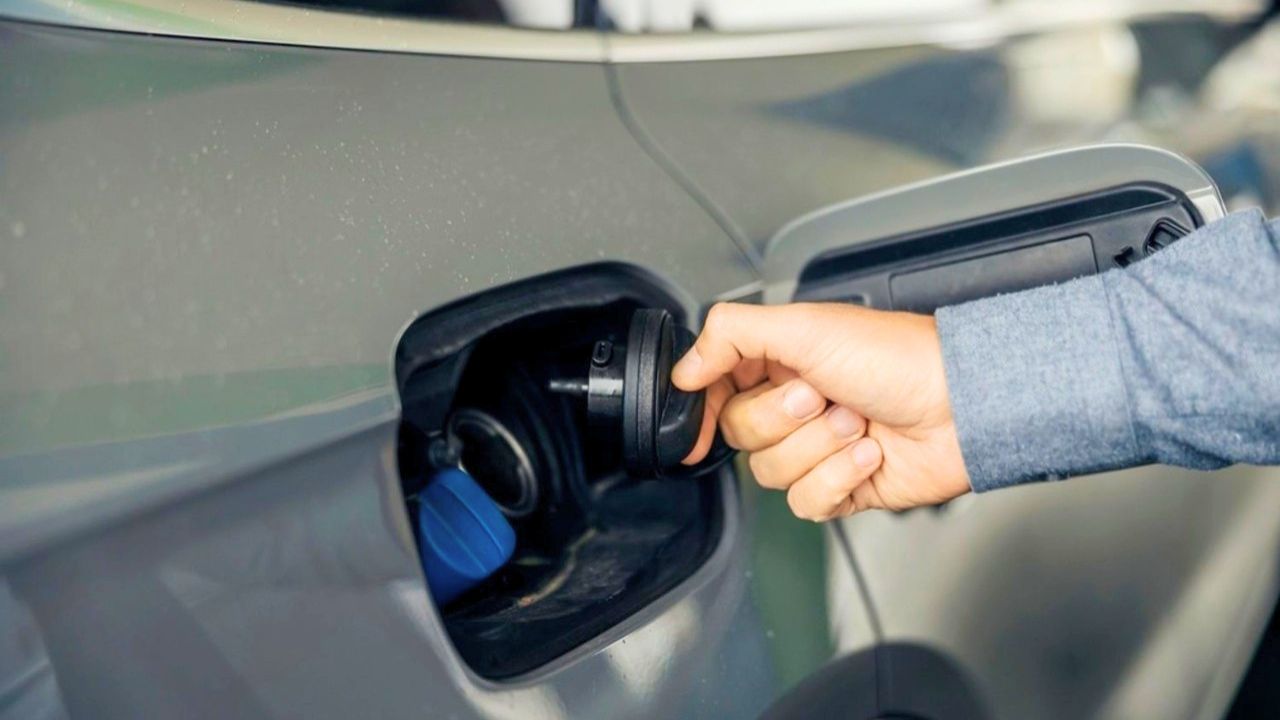
The neighbors apparently believed someone had put sugar in their gas tank. That is the kind of accusation that can escalate quickly because it involves possible vehicle damage, vandalism, and a person intentionally targeting someone’s property. Even if the homeowner had nothing to do with it, being pulled into that kind of dispute can feel risky.
The homeowner had to decide whether to share footage, refuse, or involve police. Handing over security footage may seem neighborly, but it can also create problems if the footage captures other people, private areas, or unrelated activity. It could also pull the homeowner deeper into a conflict they did not start.
There was another concern too: if the neighbors were already difficult, giving them footage might not calm things down. It might give them more material to argue about, accuse others, or keep coming back with more requests. On the other hand, refusing could make them angrier or make it look like the homeowner was hiding something.
That is what made the situation tricky. The homeowner was not necessarily trying to block a legitimate investigation. They were trying to figure out how to protect themselves while living next to people they did not trust.
The camera itself became the center of the conflict. Security cameras are installed to protect the homeowner’s property, but once neighbors know they exist, they may start treating them like community evidence. Sometimes that can be helpful. Other times, it can make the camera owner feel like they have been pulled into every dispute on the block.
The homeowner wanted to know what their obligations were. Did they have to show the footage? Could they say no? Should they give it only to police? If the footage showed nothing useful, would that end the issue or make the neighbors accuse them of hiding something?
Those questions mattered because the homeowner still had to live beside these people. A bad decision could make the relationship worse, especially if the neighbors were already looking for someone to blame.
Commenters generally told the homeowner that they were not required to give security footage directly to the neighbors.
Several people suggested that if the neighbors truly believed their vehicle had been vandalized, they should file a police report. If police believed the homeowner’s footage was relevant, officers could ask to review it or request it through proper channels. That would keep the homeowner from becoming the middleman in a neighbor dispute.
Others said the homeowner could choose to review the footage themselves and tell the neighbors whether anything relevant appeared. But commenters warned against giving full access to the camera system or handing over more footage than necessary. A security camera may capture private routines, visitors, vehicles, license plates, or other neighbors who have nothing to do with the alleged incident.
Some commenters recommended saving the footage for the relevant time frame, even if the homeowner did not want to share it immediately. If the neighbors filed a report or the issue escalated later, having the clip preserved could matter. Cameras often overwrite old footage, so waiting too long could erase the only useful record.
Others warned the homeowner not to lie about the footage or claim nothing existed if they had not checked. The safer response was simple and factual: the neighbors could file a report, and the homeowner would cooperate with law enforcement if contacted.
There was also practical advice about boundaries. Commenters said the homeowner should avoid long conversations with neighbors they already considered difficult. A short written response would be better than a driveway argument that could turn into another dispute.
The post did not end with proof of who damaged the car or whether sugar had actually been put in the gas tank. It ended with the homeowner trying to decide how much access to give neighbors who were already part of an uncomfortable living situation.
That is what made the request feel loaded. Security footage can help clear up a problem, but it can also drag the person with the camera into someone else’s conflict.
Commenters did not tell the homeowner to destroy footage or refuse all cooperation. They told them to protect their own privacy, preserve anything relevant, and let police handle it if the neighbors believed a crime had occurred.
Because when difficult neighbors ask to see your security footage, the safest answer may not be “yes” or “no.” It may be, “File a report, and I’ll cooperate through the proper channel.”

Abbie Clark is the founder and editor of Now Rundown, covering the stories that hit households first—health, politics, insurance, home costs, scams, and the fine print people often learn too late.