I Watched a Child Leave a Soccer Game With Her Own Mother — My Wife Says I Put Her in Danger
Photo credit: AI-generated image created using ChatGPT. Illustrative only.
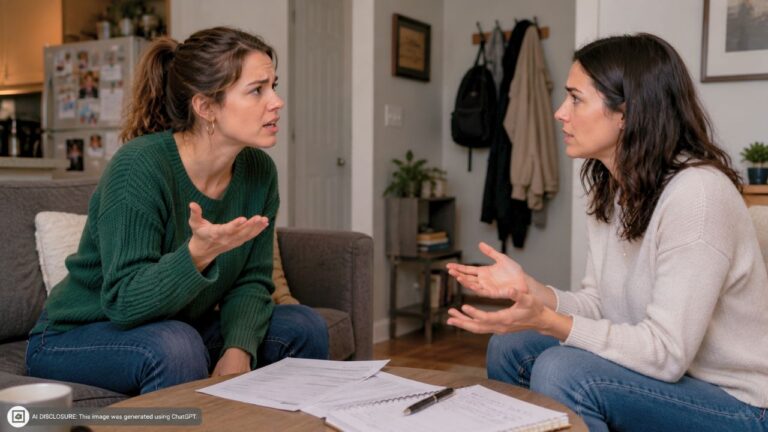
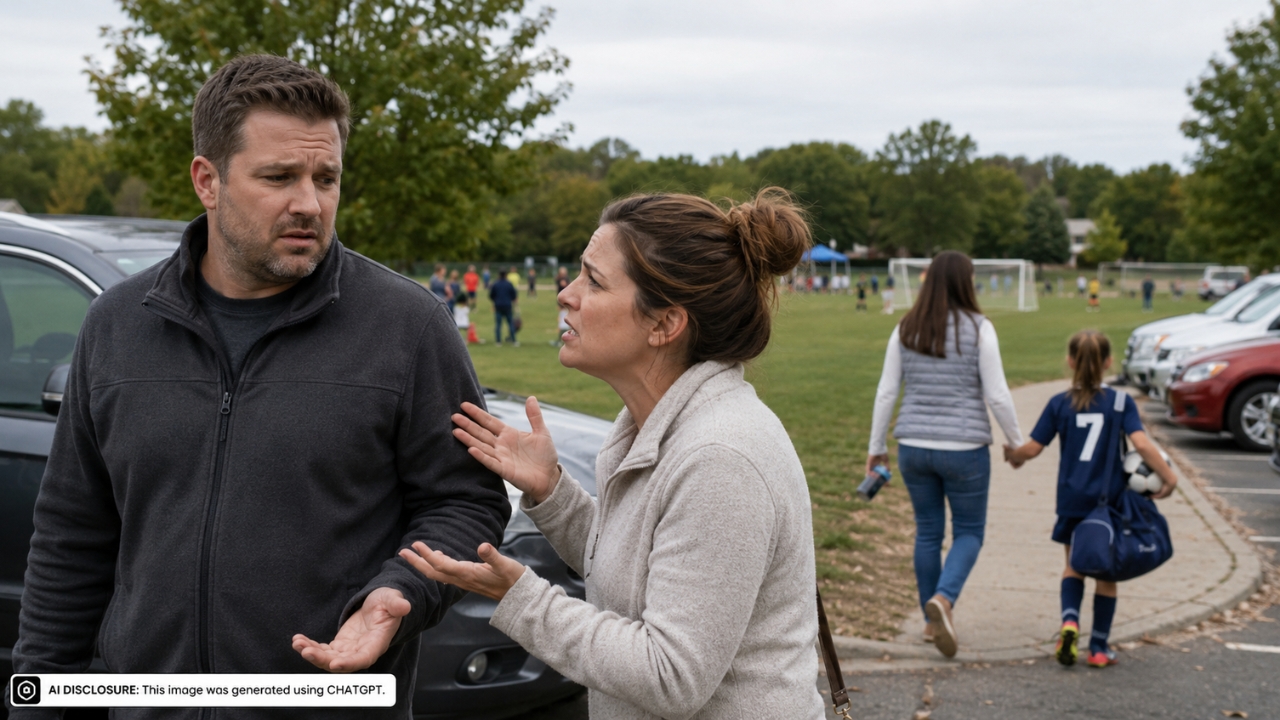
It was supposed to be a simple favor: a last-minute ride to a kids’ soccer game while his wife was out of town. Instead, one handoff at the field turned into a full-blown argument at home, with his wife accusing him of putting another family’s child in danger.
The dad said he agreed to drive one of his son’s teammates because the boy’s mother, Dana, is a single mom who regularly swaps rides with his wife. In the past, when he’d helped out, Dana would pick her child up afterward at his house. This time, the pickup plan changed — and he didn’t realize it would be treated like an emergency.
A routine carpool favor with an unspoken playbook
The arrangement sounded established. Dana and the man’s wife are friends, and they’ve built a weekly ride-sharing system around the soccer schedule. With his wife out of town, he stepped into her role and took the kid to the game “with no issue,” expecting the usual: he drives, then Dana collects her child later.
That expectation mattered, because it shaped what he did and didn’t double-check at the field. He wasn’t coordinating as part of the normal text chain, and he wasn’t the parent who typically manages the details. He was filling in, assuming the routine would stay routine.
Then, toward the end of the game, someone he didn’t expect showed up.
The moment the ex showed up at the field
Dana’s ex, Jay, arrived late. The dad recognized him from when Jay and Dana were still together. He also knew there was bad history — at least as it had been described to him through his wife — but he framed it as “relationship stuff between them,” not something he’d personally witnessed.
At the field, Jay wasn’t alone or lurking. Dana’s mother (the child’s grandmother) was already in a casual conversation with him when the dad walked up. That detail became a key part of why he didn’t treat the situation like a red alert: the grandmother didn’t look alarmed, and she didn’t object to Jay being there.
So he asked directly whether Jay was taking the child home. Jay told him yes. The grandmother’s only request was practical — tell Dana her phone battery had died. No one told the dad there was a restriction on Jay picking up the child, and no one acted like they needed the child to stay with the carpool driver.
He went home thinking it was handled — his wife didn’t
When he got home, the tone shifted immediately. His wife was “irate,” he said, accusing him of leaving the child with an abuser and potentially allowing a kidnapping. In her view, he hadn’t just made an imperfect choice; he’d failed a basic safety test.
From his perspective, the accusation didn’t line up with what he saw at the game. Jay was the child’s actual father. The grandmother was present. And nobody at the field — at least nobody he interacted with — signaled that this was unauthorized or dangerous.
That’s where the story tightened into a bigger question: how much responsibility does a fill-in carpool parent have to verify custody or pickup permissions, especially when a parent’s ex shows up?
In his post, he framed it as a misunderstanding and asked whether he was wrong for not being more aware of the ride arrangements and the plan for getting the child home. You can read his full account in the original post.
Custody isn’t always visible from the sidelines
After the initial wave of reactions from his wife, the dad added more context. He said Dana and Jay have “their own custodial arrangements.” He also clarified that, based on what’s been shared with him, Jay hadn’t been accused of abusing the kids — the negative stories he’d heard were tied to the relationship and divorce, not allegations involving the children.
He noted that the only times he had seen Jay since the divorce were when it was Jay’s time with the kids. That’s an important distinction in how he justified the handoff: to him, Jay’s presence at a game and his willingness to take the child didn’t read as suspicious or out of bounds, especially in front of the grandmother.
He also said the child could have gone home with the grandmother, whom the child lives with. And in his telling, he didn’t leave the child with Jay alone — he left the child with both Jay and the grandmother at the field.
But his wife’s reaction shows how fast trust can collapse when the adults don’t share the same understanding of someone’s risk level. If she truly believes Jay is dangerous, then “he’s the father” doesn’t automatically translate to “he’s safe,” and “the grandmother was there” doesn’t automatically translate to “the situation was controlled.”
People focused on one thing: who had authority to pick up
The most practical point raised by the story isn’t about who was right in the marriage argument — it’s about how custody and pickup permissions work in the real world when you’re not the parent. A coach, a school, and a daycare typically have lists. A soccer sideline doesn’t.
In a carpool setup, the pickup “rule” often lives in group texts, assumptions, and past habits. That’s fine until a different adult steps in and suddenly has to make a decision in public with incomplete information.
The dad’s question — should he have been more aware — is essentially about process. If you’re transporting someone else’s child, is it your job to verify, every time, who is allowed to take them afterward? Some would say yes, because once you take responsibility for a child’s transport, you’re the last checkpoint. Others would say no, because you can’t treat every parent as a potential threat without being explicitly told there’s a restriction.
What makes this case thornier is that the wife’s fear wasn’t abstract. She didn’t say, “Next time, check with Dana.” She went straight to “abuser” and “kidnapped,” which implies she believes there’s a known danger that should have overridden any casual handoff.
The follow-up call changed the temperature — but not the marriage fight
After the blowup, the dad reached out directly to Dana to ask if he had messed up. Dana’s response was clear: she said no, everything was fine, and Jay had just come to say hi. The child, she said, went home with his grandmother.
That update undercuts the most extreme fear — that the child was taken somewhere he shouldn’t have been — and it validates the dad’s read of the moment at the field, where the grandmother didn’t act alarmed.
But it doesn’t automatically fix what happened between husband and wife. The real damage is that they don’t seem to share the same baseline about Jay, or the same expectation for what “responsible” looks like when another family’s child is involved.
For now, the kid got home safely, and Dana wasn’t upset. The remaining tension sits inside the couple’s house: one person thinks he handled a normal parent pickup in front of family, and the other thinks he ignored a safety threat he should have treated as obvious.

Abbie Clark is the founder and editor of Now Rundown, covering the stories that hit households first—health, politics, insurance, home costs, scams, and the fine print people often learn too late.