Man Refused His Share of the Family Farm After His Parents’ Deaths and Signed It Over to His Younger Brother Instead
Photo credit: AI-generated image created using ChatGPT. Illustrative only.
When a 36-year-old father of two sat down with an attorney to hear the details of his late father’s will, he expected paperwork, grief, and maybe a few sentimental items to remember his parents by. What he didn’t expect was to be handed the majority ownership of the very property he’d spent his whole life trying to get away from. He laid out the dilemma in the original post, asking if he was wrong for planning to sign most of the family farm over to his younger brother instead of keeping what the will left him.
He says he left home at 18, moved to a big city, and built a life that looks nothing like the one his parents lived. Now, after losing both parents—his mother three years ago and his father two months ago in a work accident—inheritance has turned into the next family fight, this time with his wife.
He never wanted farm life, and his parents knew it
The man describes growing up on a large multigenerational farm, the kind that tends to come with an expectation: you’re either “in” or you’re the one who broke the chain. He says he was that kid early on, hating the dirt, the grime, and the day-to-day reality of working around animals.
So he left the moment he could. At 18, he moved away and “never looked back,” visiting occasionally but always feeling relieved when he returned to city life. He emphasizes that he still loved his family, but that affection didn’t translate into wanting their work.
Meanwhile, his younger brother Tom stayed. Tom, now 30, remained on the farm and worked alongside their parents, committing his adulthood to the land and the operation.
The will handed most of the farm to the brother who left
After their father’s death, the brothers learned they were the only beneficiaries of the estate. The older brother assumed he wouldn’t be left much, partly because he says his parents had already helped him out financially multiple times while they were alive.
He also says he wasn’t going into the meeting hoping for a payout. He wanted a few “family trinkets and heirlooms” as keepsakes. Then the attorney walked them through the will, and the numbers didn’t match the family reality: roughly three-quarters of the farm was left to him, and only one-quarter to Tom.
He says the only explanation he can think of is that he has two children—10 and 7—while Tom doesn’t. He notes that the children had their own inheritance in the will anyway, which made the lopsided land split even harder for him to understand.
For him, though, the bigger problem wasn’t confusion. It was fairness. The brother who did not farm inheriting most of the farm felt backward, and he could see Tom was shaken up by it, too.
He offered to give it up, and his brother didn’t fight him on it
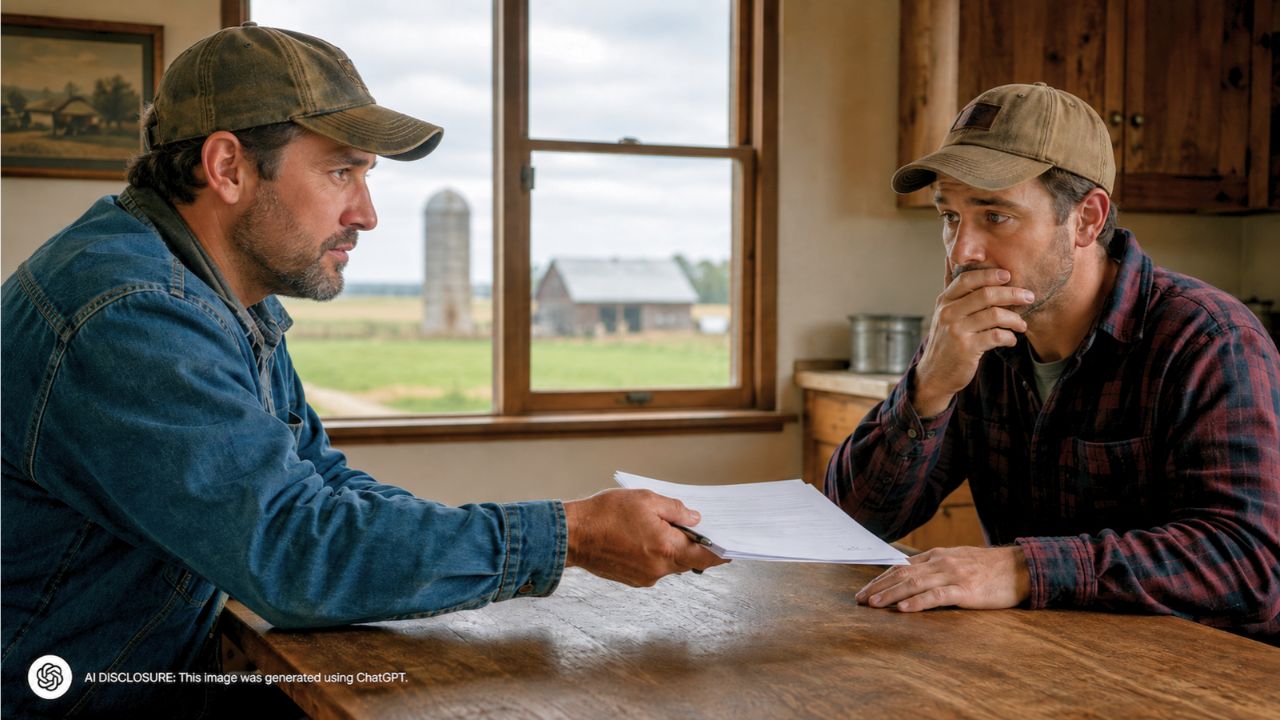
In that moment, he says he told Tom directly that the decision seemed absurd, and that he didn’t mind forfeiting the land to him. Tom pushed back at first, saying he didn’t have to do that.
But the older brother insisted, and after some back and forth they agreed to revisit it once everything was legally transferred under their names “as our parents intended.” The plan, as he describes it, was to make their own arrangement after the estate’s paperwork was complete.
It’s not framed as a dramatic showdown between siblings. If anything, it reads like an attempt to avoid one—two brothers trying to keep the farm from becoming a permanent sore spot while they’re still processing a sudden death.
But that calm didn’t last once the decision reached his household in the city.
His wife saw a fortune; he saw a responsibility he didn’t ask for
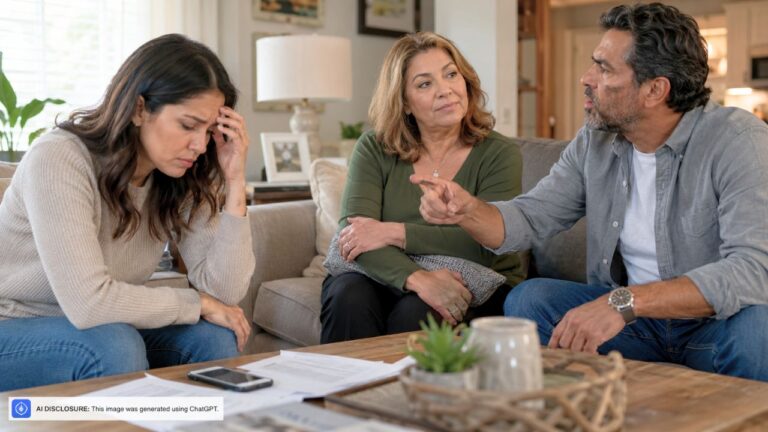
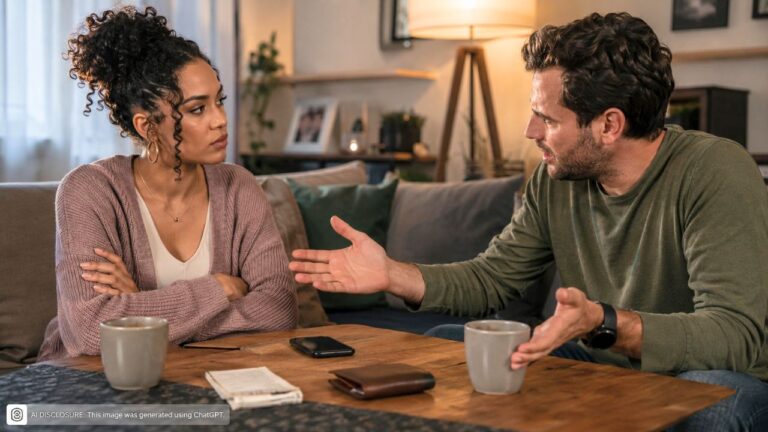
When he told his wife, Jules, about his intention to sign most of the property to Tom, he says she was furious. In her view, he was preparing to walk away from an asset worth “a fortune” without thinking it through.
He countered with something more practical: land only has value to him if he’s going to do something with it. He says he doesn’t want to sell it, and he doesn’t want to farm it. So from his perspective, it’s not a life-changing windfall; it’s a complicated, inherited obligation that his brother is actually equipped to carry.
Jules wasn’t persuaded. She argued they should keep the land for their kids, on the chance the children might want to farm someday. That’s when he tried to compromise: instead of handing Tom his whole share, he suggested transferring only half, leaving their children a quarter of the farm in the “hypothetical scenario” they ever wanted to return to that life.
Even that wasn’t enough. He says Jules stopped speaking to him until he reconsiders.
People zeroed in on the same real-world pressure points: value, paperwork, and resentment
In the post, the situation is labeled “Not the A-hole,” signaling that many readers sided with the brother who wanted to give the land to the sibling who stayed and worked it. But the stronger reactions weren’t just about who “deserved” it. They were about what happens next if he handles it casually.
One obvious pressure point is financial: farmland can be extremely valuable, and transferring it isn’t like handing over a spare set of keys. Even in families with good intentions, the numbers can reshape relationships fast—especially when one spouse feels their household is giving up long-term security.
The second pressure point is legal and administrative. The brothers had talked about waiting until the estate transfer was complete before deciding how to redistribute it. That detail matters because inheritance, deeds, and tax consequences can get messy quickly, and a handshake agreement between siblings can turn into years of resentment if it isn’t documented cleanly.
And the third is emotional. The older brother is grieving a father killed in a work accident and still carrying the earlier loss of his mother. Tom is grieving, too, while also facing the idea that the farm he built his adult life around might not fully be his. Meanwhile, Jules is looking at a rare, high-value asset and seeing a decision that could affect her children’s future.
In other words: nobody is arguing about dirt and tractors. They’re arguing about security, identity, and what their parents “meant” to do.
For now, the inheritance is turning into a marriage problem, not a sibling problem
What stands out is that the brothers appear aligned on the core point: the farm makes more sense in Tom’s hands. The real friction is inside the older brother’s marriage, where Jules sees him giving away something the will explicitly handed to their family unit.
His compromise—keeping a quarter for the children—shows he’s at least considering that argument, even if he doesn’t share the underlying dream of someday returning to farm life. But Jules’ silence suggests this isn’t just a minor disagreement. It’s a trust issue about decision-making, money, and whether he’s too quick to prioritize his birth family’s balance over his current household’s interests.
He’s left trying to do what feels fair to his brother without igniting a long-term fight at home. And until they actually sit down and finalize what gets signed over—and how—the farm is still sitting there in the background, a valuable piece of land turning grief into leverage, whether anyone meant it to or not.
Check out more from Now Rundown:
- A Party of 12 Came Back a Month Later Demanding Their $80 Tip Refunded — My Restaurant Made Me Pay It
- Her Coworker Kept Filing the Same Complaint About Her After Being Warned — Then She Filed a Counter-Report With Every Email Documented
- Siblings Demanded Half of Their Sister’s $11 Million Inheritance — She Refused Because They Never Visited
- The Kid I Bullied in Middle School Just Interviewed for a Job on My Team — He Bombed It and I Didn’t Hire Him

Abbie Clark is the founder and editor of Now Rundown, covering the stories that hit households first—health, politics, insurance, home costs, scams, and the fine print people often learn too late.