Man Followed Her Home to Her Dorm After She Rejected Him — Then She Ran to a Police Officer for Help
Photo credit: Yamel Photography/Shutterstock.com
A woman says she was inside a store when a man started talking to her and tried to get her number.
She was not interested.
That should have been the end of it.
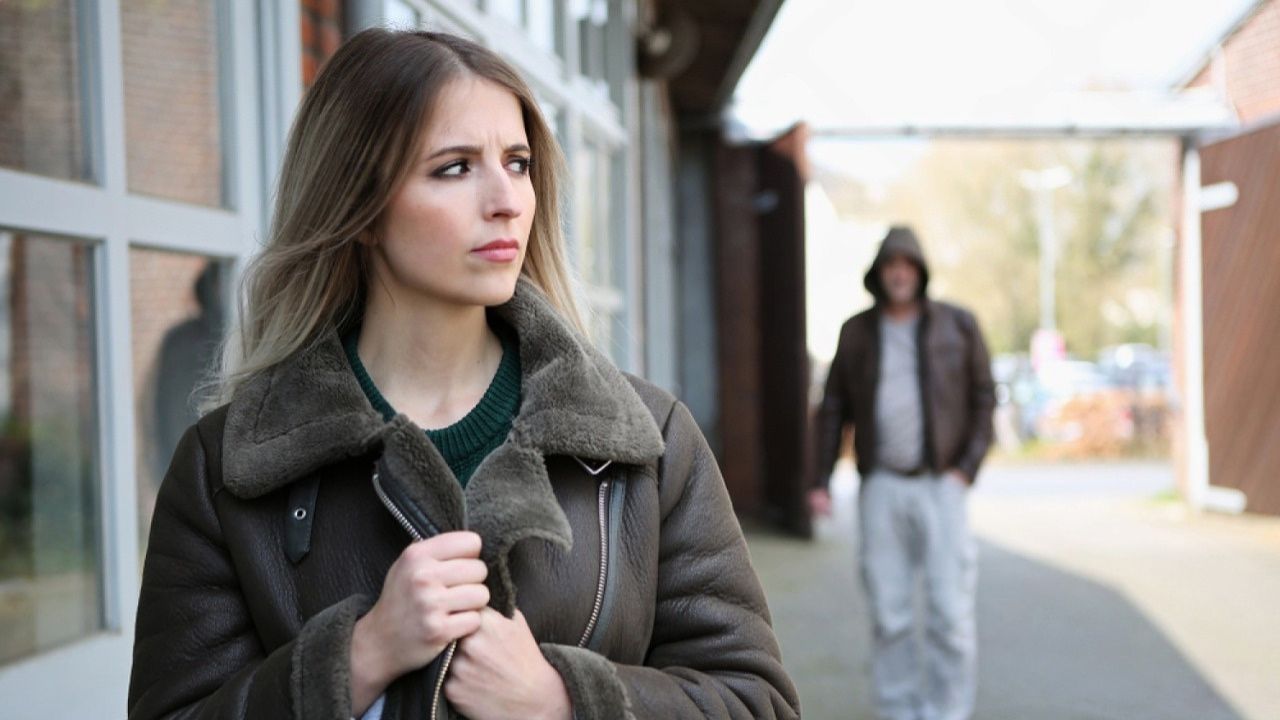
Instead, after she rejected him, he followed her out of the store and all the way back toward her dorm.
She explained in a Reddit post that the interaction began like something many women recognize too well: a stranger approaches, pushes for attention, and does not accept a polite no as the final answer.
At first, it may have been uncomfortable but manageable. A guy asking for a number in public can be awkward, but most people expect the other person to back off once they are told no.
He did not.
The woman said he followed her after she left, and that changed everything. Once someone refuses to accept rejection and starts trailing you, the situation stops being merely uncomfortable. It becomes a safety problem.
That fear is hard to explain to someone who has not felt it. You are walking, trying to act normal, but every sound behind you matters. Every turn becomes a test. Is he still there? Is he getting closer? Does he know where I live? Should I run? Should I call someone? Should I confront him? Should I go somewhere public?
She was headed toward her dorm, which made it even scarier.
A dorm is supposed to be home, or at least the closest thing to it while living on campus. But if a man follows someone there after being rejected, the safety of that space starts to feel fragile. Letting him see the building could mean he knows where to find her later. Letting him see the entrance could mean he knows her routine. That is the kind of thought that can make someone panic fast.
She needed help immediately.
Luckily, she saw a police officer and ran to him.
That decision may have kept the situation from getting worse. Instead of continuing toward her dorm alone, she went directly to someone with authority while the man was still close enough to be a threat. Even if the man had planned to back off eventually, she had no way to know that in the moment.
The officer’s presence gave her a place to stop and a person who could intervene.
The emotional aftermath is the part people often minimize. Nothing “happened,” some people might say. He did not touch her. He did not break into the dorm. He did not attack her.
But being followed by someone after you have rejected him is already something happening.
It tells the person being followed that her “no” was not enough. It forces her to change her route, seek help, and worry about whether the man will show up again. It turns a normal errand into a fear response. That is not small.
The woman’s fear made sense because the situation included several red flags at once. He approached her, pushed for access, did not accept rejection, and followed her toward where she lived. That is not romantic persistence. It is threatening behavior.
Commenters likely urged her to report it to campus security, the dorm staff, or police if she had not already. Even if the officer helped in the moment, creating a record matters if the man shows up again. A description, location, time, and any camera footage from the store or campus could help if there is a pattern.
They likely also told her to tell friends, roommates, or resident advisors what happened. Not because she did anything wrong, but because having other people aware can make it easier to spot the man if he returns.
The worst part is that she probably had to rethink simple routines afterward. Which store she goes to. Whether she walks alone. Whether she keeps location sharing on. Whether she looks over her shoulder near the dorm. A stranger’s refusal to take no can leave behind that kind of practical fear.
The post did not need a dramatic ending to be disturbing. The central issue was clear enough.
She rejected a man in a store.
He followed her home.
And she had to run to a police officer because “no” was not enough to make him stop.
Commenters mostly told her she was right to take it seriously. Many said being followed after rejecting someone is threatening, even if the person never physically touches you.
Several people encouraged her to report the incident to campus police, dorm staff, or the university so there would be a record if the man showed up again.
A lot of commenters said she should tell friends, roommates, and anyone she walks with regularly so they could keep an eye out for him.
Others reassured her that going to the officer was exactly the right move. She did not owe the man another conversation, explanation, or chance to leave her alone.
The strongest advice was simple: trust the fear. A stranger who follows someone after being rejected has already crossed the line.

Abbie Clark is the founder and editor of Now Rundown, covering the stories that hit households first—health, politics, insurance, home costs, scams, and the fine print people often learn too late.