Landlord Kept Entering Without Warning, Tenant Says — Then the Camera Caught It
Photo credit: Now Rundown
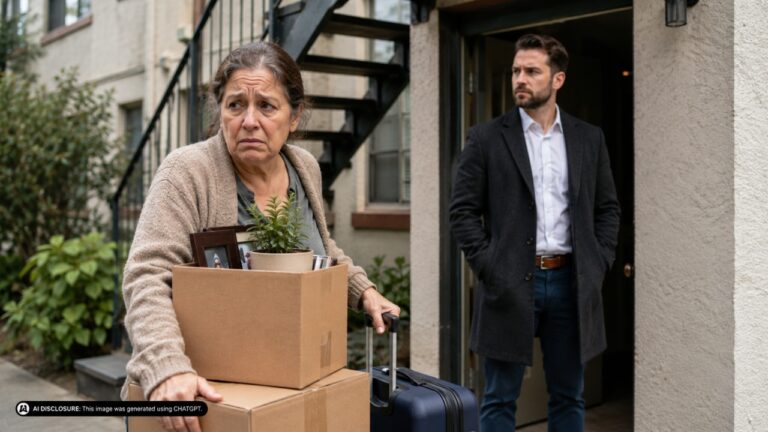
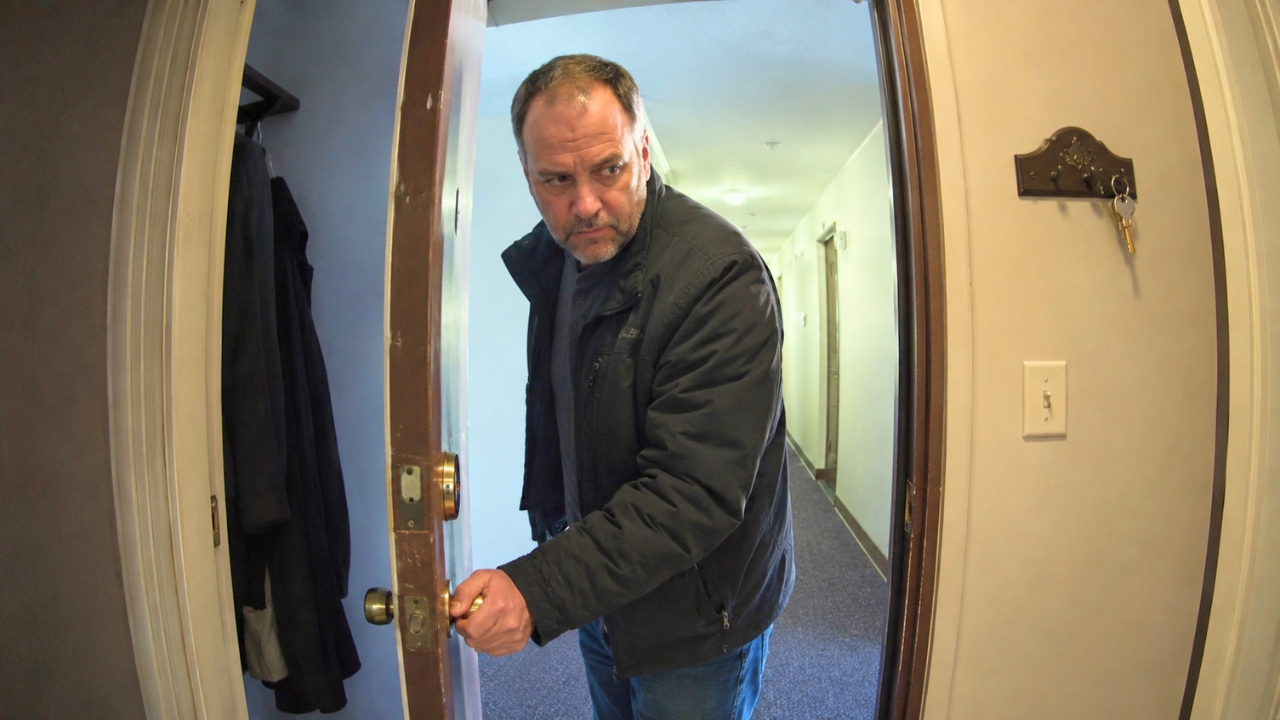
A Massachusetts tenant said a frustrating landlord problem became much harder to dismiss after a camera allegedly caught the landlord entering the apartment without warning.
The tenant shared the situation in a post on r/legaladvice, explaining that the landlord had a pattern of entering the apartment unannounced. That alone would be upsetting for most renters, but this tenant said they had something more than a bad feeling or suspicion. They had camera footage.
That detail changed the situation.
A landlord entering without notice can be difficult to prove if the tenant is not home. A door may be unlocked, an item may feel moved, or a tenant may notice something slightly different, but without proof, the landlord can deny it or call it a misunderstanding. A camera removes some of that uncertainty. It can show who entered, when they came in, how long they stayed, and whether notice had been given beforehand.
According to the tenant, the landlord’s entries were not a one-time emergency. They described it as a pattern. That word matters because landlord-tenant disputes often hinge on whether something was an isolated mistake or repeated conduct. A true emergency, like a major leak, fire concern, or urgent safety issue, can justify immediate entry in many places. But repeated unannounced visits are a different kind of problem.
For the tenant, the issue was not only legal. It was personal. An apartment is the place where someone sleeps, gets dressed, leaves personal documents, keeps medication, and expects privacy. A landlord may own the building, but the tenant lives there. When the person with a key keeps coming in without warning, it can make the tenant feel like the home is not fully theirs.
The tenant wanted to know what they could do now that they had footage. Should they confront the landlord? Send a written warning? Call police? Break the lease? Contact a housing authority? Talk to an attorney?
Those questions are not simple because landlord-entry rules vary by state and lease language. In Massachusetts, as in many places, landlords may have access rights for certain reasons, but that does not usually mean unlimited entry whenever they want. Notice, reason, and timing all matter.
The camera footage gave the tenant a stronger starting point, but it did not automatically solve the problem. They still needed to decide how to use it. If they confronted the landlord too casually, the landlord might deny wrongdoing or become more careful. If they escalated too quickly, the relationship could sour. If they did nothing, the entries might continue.
That is the difficult part for renters. The person crossing the boundary may also be the person who controls repairs, renewals, and deposits. Pushing back can feel risky even when the tenant knows they are right.
The post captured that exact tension: a tenant who had proof, but still needed a plan.
Commenters focused first on preserving the evidence. Several people told the tenant to save the camera footage somewhere secure and not rely only on the camera app. If the footage was overwritten, deleted, or lost, the tenant could lose the strongest proof they had.
Others said the tenant should document every entry in a timeline. That meant dates, times, whether any notice had been given, what the landlord did inside, and whether the tenant had previously objected. A single clip could be useful, but a clear pattern would be stronger if the tenant needed legal help later.
Commenters also urged the tenant to communicate in writing. Instead of confronting the landlord in person, they suggested sending a calm message stating that the landlord had entered without notice, that the tenant did not consent to unannounced entry, and that all future access needed to follow the lease and the law.
That written message would serve two purposes. It would give the landlord a chance to stop, and it would create a record that the tenant had objected. If the landlord entered again after that, the issue would be harder to frame as a misunderstanding.
Some commenters said the tenant could consider calling police if the landlord entered again without permission, especially if the tenant was home and felt unsafe. Others were more cautious, saying police might treat it as a civil landlord-tenant issue unless there was an active trespass, threat, or refusal to leave. Still, many agreed that repeated unauthorized entry was serious and should not be ignored.
There was also advice to contact a local tenant-rights organization or housing attorney. If the landlord’s conduct violated the lease or state law, the tenant might have options such as a demand letter, complaint, lease termination, or other remedies. But commenters warned the tenant to get location-specific guidance before making a major move.
Some people suggested changing locks, but others warned against doing that without checking the lease and local law. In many rentals, tenants cannot simply change locks and refuse the landlord access. A camera and written record were safer first steps.
The post did not end with the landlord being fined or the tenant moving out. It ended with the tenant holding proof of something many renters fear: someone with a key entering the home when they were not supposed to.
That is what made the footage so important. It turned a private suspicion into something visible. But commenters made clear that proof still needed to be handled carefully.
The strongest advice was to save the video, write down every incident, tell the landlord in writing to stop entering without proper notice, and contact local tenant resources if the pattern continued.
Because once a landlord has been caught entering without warning, the next question is not only whether it happened. It is how the tenant can make sure it does not happen again.
Check out more from Now Rundown here.

Abbie Clark is the founder and editor of Now Rundown, covering the stories that hit households first—health, politics, insurance, home costs, scams, and the fine print people often learn too late.