Hotel Staff Let Someone Into Their Room — Then the Guests Came Back to Missing Property
Photo credit: Dmytro Zinkevych/Shutterstock.com
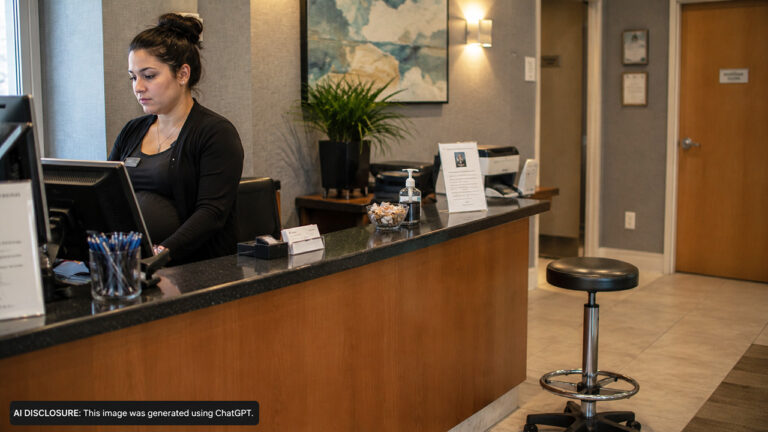
A hotel guest said a stay turned into a security concern after staff allegedly allowed another person into their room, and property was missing afterward.
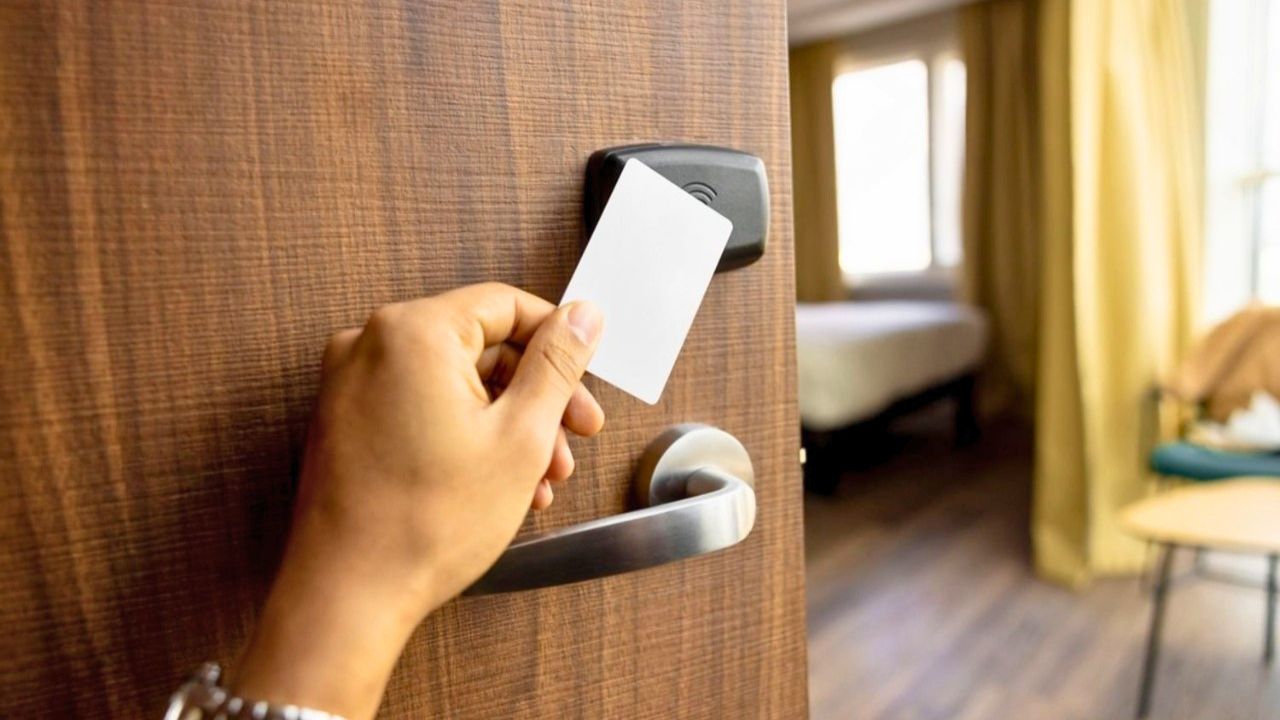
The guest shared the situation in a post on r/legaladvice, explaining that someone was allowed into the hotel room by staff. That detail alone was alarming. Hotel guests expect staff to control access carefully. A room key is not supposed to be handed out casually, and a guest’s space is supposed to remain private unless there is a clear reason for entry.
According to the post, the issue became even more serious because property was missing after the person was let in.
That changed the situation from a strange hotel mistake into a possible theft or liability problem. If a stranger, acquaintance, or unauthorized person enters a hotel room and belongings disappear, the guest is left trying to figure out who is responsible: the person who entered, the hotel staff who let them in, or both.
The hotel setting makes that question especially frustrating. Guests do not control the key system. They do not control front-desk verification. They do not know who staff members spoke to, what identification was checked, or whether the person claimed to be connected to the reservation. The hotel has the records, cameras, key logs, and employee names. The guest has the loss.
That imbalance is part of what makes hotel-room access mistakes so serious. A room may be temporary, but during the stay, it holds luggage, wallets, laptops, medication, passports, keys, clothing, and private belongings. Guests trust the hotel to keep unauthorized people out.
If staff lets someone in, that trust breaks fast.
The guest wanted to know what options they had. Could the hotel be held responsible? Should police be called? Should they demand security footage? Should they ask for key-card records? Could they make the hotel reimburse them for what was missing?
Those questions matter because hotel disputes can become a maze quickly. The person at the front desk may apologize but not have authority to fix anything. A manager may say they need to investigate. Corporate may ask for documentation. Police may take a report but need evidence. Insurance may require proof of the missing items. Meanwhile, the guest is left trying to reconstruct what happened from the outside.
The missing-property piece made documentation critical. The guest needed to identify exactly what was gone, what it was worth, when they last saw it, and who had access before it disappeared. Without that, the hotel could argue that the items were misplaced, never in the room, or taken by someone else.
The post did not describe a neat ending where the property was returned or the hotel accepted full responsibility. It captured the stressful moment after a guest learns someone was allowed into their room and realizes the hotel’s access control may have failed in a way that cost them real property.
Commenters told the guest not to handle the situation only through the front desk.
Several people said the guest should file a police report. If property was missing after someone was allowed into the room, the issue was no longer just a bad hotel experience. A report would create an official record and could help the guest pursue reimbursement, insurance claims, or corporate escalation.
Others told the guest to ask the hotel, in writing, to preserve all related records. That included hallway footage, lobby footage, key-card logs, front-desk notes, employee names, incident reports, and any record showing who was allowed into the room and why.
Commenters warned that hotel footage may be overwritten quickly. Waiting days or weeks could mean losing the only proof of who entered, when they entered, and what happened afterward.
Several commenters also said the guest should create a detailed inventory of missing items. Receipts, serial numbers, photos, bank statements, warranty records, and purchase histories could all help show ownership and value. If electronics were missing, the guest should use tracking tools if available and change passwords for any accounts that may have been logged in.
Others suggested escalating beyond the local hotel. If it was part of a chain, corporate customer service or the brand’s claims department might respond differently than the local manager. But commenters said the guest would need a written timeline and police report number to make the complaint stronger.
Some commenters were careful about liability. A hotel may not automatically be responsible for every missing item, but if staff gave an unauthorized person access to a room, that could change the situation. The exact facts would matter: who the person was, what they told staff, whether staff verified their identity, whether they were on the reservation, and whether the hotel followed its own policies.
The post did not end with a lawsuit or a final answer from the hotel. It ended with the guest trying to figure out how to protect their claim before evidence disappeared.
That is what made the situation so frustrating. The guest’s belongings were inside a room they had paid for, behind a door the hotel controlled. If staff let someone else inside and property vanished, the guest needed more than a verbal apology.
Commenters did not tell them to wait for the hotel to “look into it” quietly. They told them to file a report, preserve evidence, document losses, and push the hotel through written channels.
Because when hotel staff allows someone into a guest’s room and belongings go missing, the key question is not only who took the property. It is how that person got access in the first place.

Abbie Clark is the founder and editor of Now Rundown, covering the stories that hit households first—health, politics, insurance, home costs, scams, and the fine print people often learn too late.