Grocery Delivery Driver Kept Marking Orders Delivered — Nothing Arrived
Photo credit: Nowrundown.com
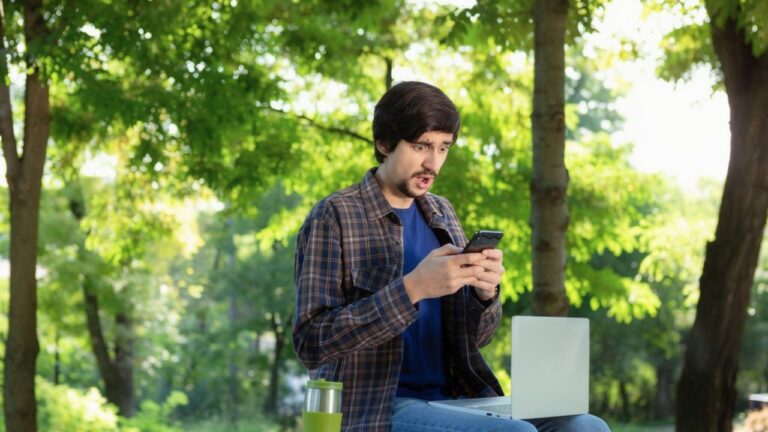
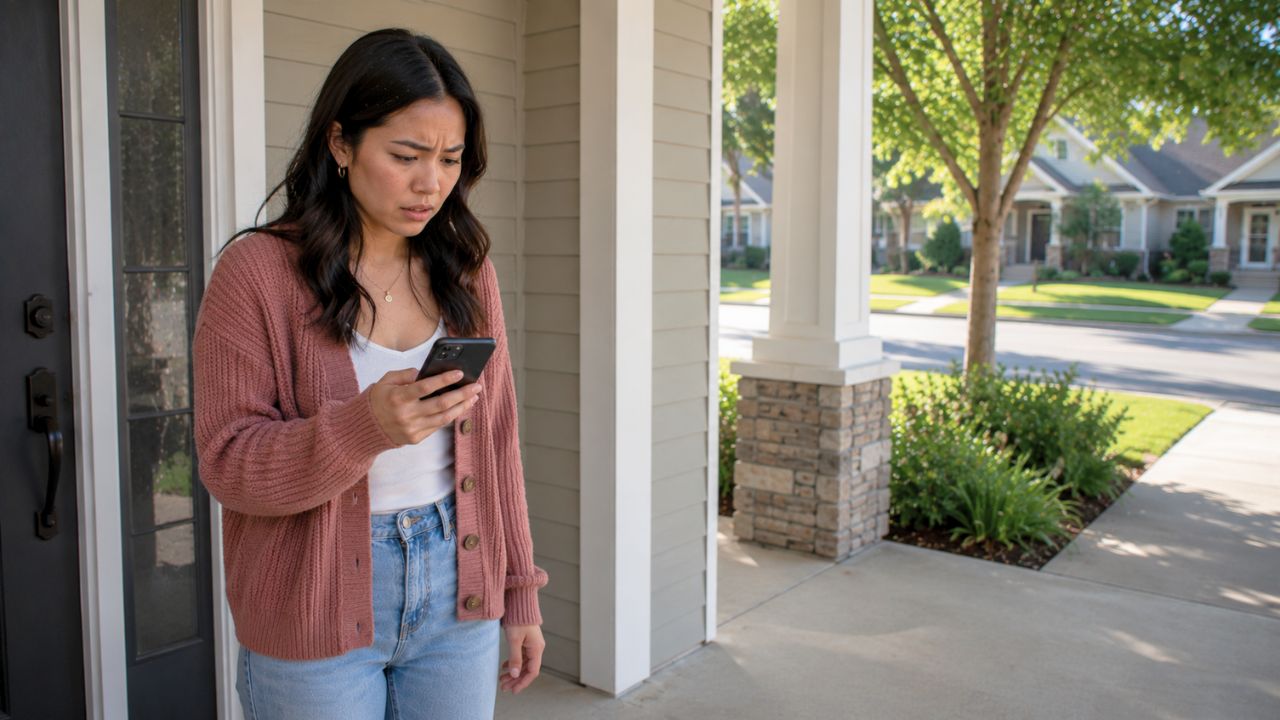
By the time the third “delivered” notification popped up, Mara was standing in her apartment hallway in slippers, holding her phone like it was personally insulting her. She’d timed the order for after her toddler’s nap, hoping to avoid a full-on meltdown while she cooked. Instead, she got a photo of… nothing.
No grocery bags. No doorstep. No lobby bench. Just a blurry shot of what looked like the driver’s car floor mat, as if someone had snapped it by accident and hit “confirm” anyway.
At first, Mara tried to tell herself it was a glitch. Maybe the driver dropped it at the wrong unit, and some kind neighbor would bring it over. But the building’s front desk had nothing, the security camera didn’t show anyone carrying bags in, and the app insisted the order was safely in her hands.
The first time, she gave the benefit of the doubt
Mara lived in a complex with a tricky entrance: a call box that sometimes froze, a lobby door that needed a hard pull, and a concierge who rotated shifts. She’d left detailed instructions, even offering to meet at the curb. Still, things went sideways with deliveries often enough that she didn’t immediately assume something shady.
So when the first order disappeared, she did the polite thing. She messaged customer support, answered the standard questions, and got a refund credit. Annoying, but manageable.
What made her stomach drop was the driver’s name. It was the same driver assigned to her second order a few days later, when she tried again—because she needed basics and she didn’t have time to do a store run with a toddler.
That second delivery was “completed” while she was literally standing on her balcony watching the parking lot. No one came up the walk. No one stopped at the entrance. The app showed a timestamp, the order was closed out, and her phone buzzed like the job was done.
The pattern got personal fast
Mara’s husband, Eli, tried to be calm about it, but he wasn’t the one on a deadline to feed a child. He was also the one insisting they keep using the app because he’d signed up for a membership and didn’t want to “waste it.”
They argued in that quiet, tired way couples do when the fight isn’t really about groceries. Mara felt like she was doing all the mental math—meal planning, nap schedules, refund requests—while Eli treated the whole thing like a minor inconvenience.
Then Mara noticed something else: each time the driver “delivered,” the photo didn’t show her door. It didn’t show any door. It wasn’t even the lobby. The images were vague enough to pass at a glance, which made her wonder how many people gave up after the first complaint.
She checked her order history and saw the driver had taken short routes—almost like they’d arrived near the building, sat for a moment, and marked it done. And now she wasn’t just irritated. She was angry.
She tried to catch it in real time
For the third attempt, Mara did everything she could to remove excuses. She included a note that she would meet the driver outside. She turned on all notifications. She even loaded the stroller with her toddler and waited in the lobby like she was waiting for a ride share.
The app showed the driver getting closer. Mara stepped out to the curb and watched cars roll past. She refreshed the screen. Then her phone buzzed: delivered.
No car stopped. No bags appeared. Her toddler started fussing, and a woman walking her dog looked at Mara with that sympathetic expression people use when they can tell you’re trapped in a small crisis you can’t fix fast.
Mara called support from the sidewalk. She sounded ridiculous to herself—standing there with a stroller, insisting she was physically present when the delivery was supposedly completed. Support apologized, offered a credit, and told her to reorder.
That’s when Eli finally snapped—not at Mara, but at the situation. He asked for the building’s security footage. He dug through the app’s receipt details and found the exact timestamp. And when the concierge pulled up the camera angle facing the entrance, it showed the truth in a way that was hard to argue with: no delivery person came through.
Family got involved, and it made everything messier
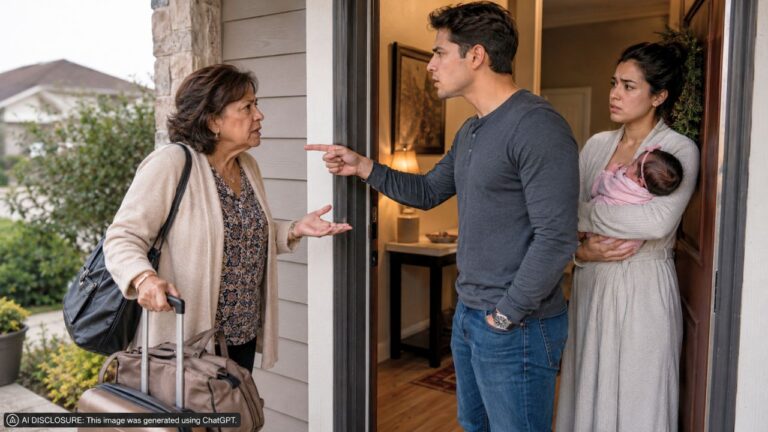
Mara’s mother-in-law, Denise, heard about it because Eli vented during a phone call. Denise loves a crusade, especially if it gives her a reason to “handle it” for her son. Within an hour, she was texting Mara unsolicited suggestions about “how to talk to customer service” and “how to keep better records.”
Mara didn’t want coaching. She wanted groceries.
Denise then did the thing that always set Mara’s teeth on edge: she turned it into a story about Mara being disorganized. She implied that maybe Mara wasn’t checking the lobby quickly enough, or perhaps neighbors were taking the bags before she got downstairs. She said it lightly, but it landed like an accusation.
Mara fired back that she’d been outside both times. Denise responded by offering to come over and “wait for the driver herself,” as if Mara needed supervision.
It spiraled from there. Eli told his mom to back off. Denise took it personally, told him he was being disrespectful, and then tried to recruit Eli’s sister to agree that Mara was “overreacting.” Suddenly, a missing grocery order had turned into an entire family debate about whether Mara could be trusted to describe her own life accurately.
Mara, already hungry and stressed, felt her patience crack. She told Eli she didn’t want Denise involved at all, because every practical issue somehow became a referendum on Mara’s competence.
She pushed for a real investigation, not another credit
Mara stopped accepting refunds as the “solution.” Credits didn’t replace the time she lost or the fact that someone was apparently gaming the system. She insisted on escalating to a supervisor, and she sent screenshots: the delivery photos that showed nothing, the timestamps, and a still from the building camera showing an empty entrance.
This time, she didn’t keep her tone soft. She told them she was documenting everything and that she’d file a police report for theft if they couldn’t confirm where the groceries were going.
It worked in a way the polite version hadn’t. The company opened an internal review and asked for the camera evidence. The next day, Mara got a message saying the driver was removed from her future orders while they investigated.
Her fourth order arrived with a different driver who actually called when they were outside, waited while Mara came down, and handed her bags over like a normal human interaction. The difference was so stark it made Mara feel both relieved and furious all over again.
Because it meant it really wasn’t her building. It wasn’t her instructions. It wasn’t her missing the delivery by two minutes. It was the driver.
The reactions split along predictable lines
In her building, people had opinions the second Mara mentioned it in the elevator. One neighbor admitted they’d had two “delivered” orders vanish recently but assumed it was a one-off. Another said they always met drivers outside because they didn’t trust anyone to follow the instructions.
At home, the reactions were sharper. Eli was embarrassed he’d pushed her to keep using the service, and he tried to make up for it by doing a full grocery run that weekend. Denise, meanwhile, acted like the whole situation proved her point that delivery services were unreliable—and that Mara should just “plan better,” as if planning could stop someone from marking an order complete without dropping it off.
Mara didn’t fight Denise on the delivery issue anymore. She fought her on the disrespect. She told Eli she wouldn’t be explaining herself to his mom, and she wasn’t going to let Denise turn a legitimate problem into a personality flaw.
Eli agreed, but it didn’t magically fix the feeling Mara couldn’t shake: that when something went wrong, she still ended up doing the labor of proving it.
In the end, Mara got her money back, switched the account to “hand it to me only,” and stopped ordering anything expensive until she felt confident it wouldn’t disappear. The driver never showed up on her orders again. Denise never apologized for implying Mara was the problem.
And Mara, standing in her kitchen finally unloading real groceries into the fridge, decided the bigger lesson wasn’t about delivery apps at all. It was about how quickly a small, solvable issue can become a bigger one when the people closest to you treat your reality like it’s negotiable.
Check out more from Now Rundown:
- A Party of 12 Came Back a Month Later Demanding Their $80 Tip Refunded — My Restaurant Made Me Pay It
- Her Coworker Kept Filing the Same Complaint About Her After Being Warned — Then She Filed a Counter-Report With Every Email Documented
- Siblings Demanded Half of Their Sister’s $11 Million Inheritance — She Refused Because They Never Visited
- The Kid I Bullied in Middle School Just Interviewed for a Job on My Team — He Bombed It and I Didn’t Hire Him

Abbie Clark is the founder and editor of Now Rundown, covering the stories that hit households first—health, politics, insurance, home costs, scams, and the fine print people often learn too late.