Credit Card Was Used for Fraudulent Orders — Then the Packages Were Shipped to the Victim’s Own House
Photo credit: Antonio Diaz/istock.com
A credit card fraud case took a strange turn when the victim said fraudulent charges appeared on their card, but the packages from those orders were shipped directly to their own house.
The person shared the situation in a post on r/legaladvice, explaining that the first sign of trouble was the credit card activity. Someone had used the card for purchases the cardholder did not authorize.
That alone would be enough to start the usual fraud routine: call the credit card company, dispute the charges, cancel the card, watch the account, and figure out whether more information had been compromised.
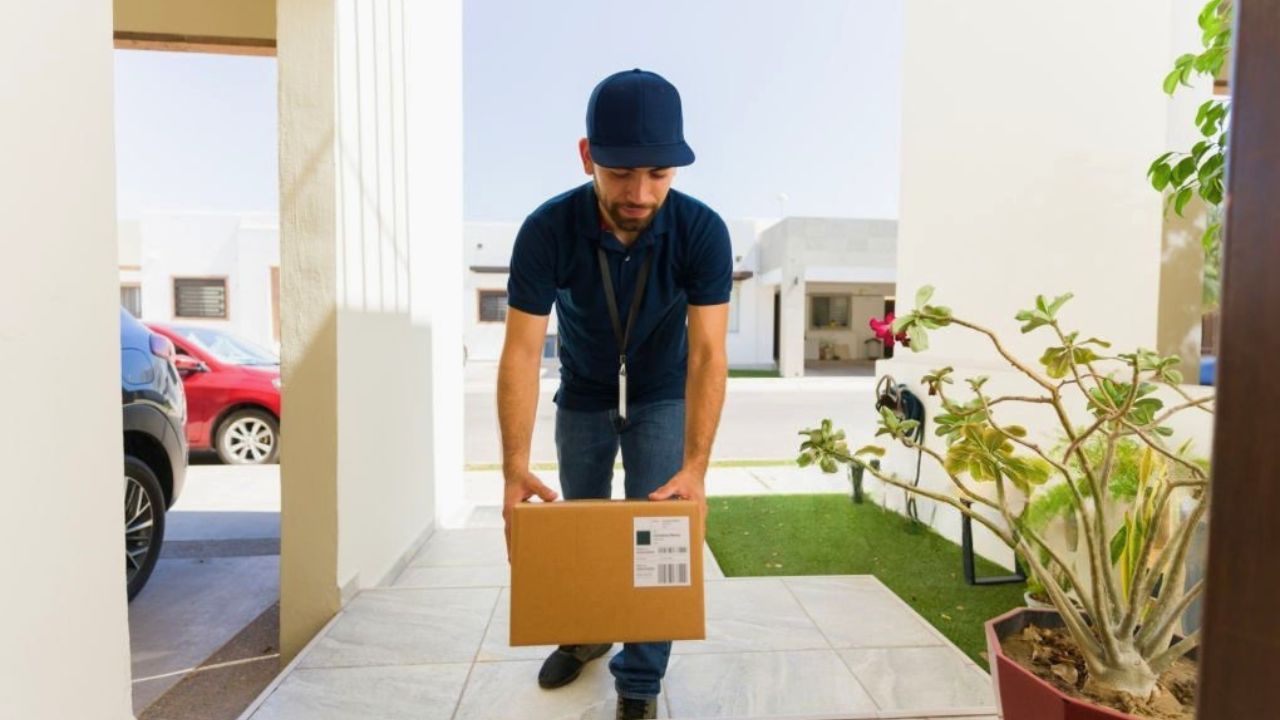
But then the packages showed up at the cardholder’s own home.
That made the situation feel more confusing than a normal stolen-card case. In many credit card fraud situations, the thief ships items somewhere they can control: a drop address, vacant house, package locker, reshipping mule, or someone else’s porch. Here, the items were coming to the victim’s address.
That raised a whole new set of questions. Was the fraudster planning to intercept the packages before the victim saw them? Did they accidentally use the billing address as the shipping address? Were they testing the card? Were they trying to create some kind of return scheme? Or was this part of a larger scam where the victim’s home was being used as a delivery point?
The person now had both the fraudulent charges and the physical merchandise. That created a practical problem. They did not order the items, but the packages were sitting at their house. Should they open them? Return them? Keep them as evidence? Tell the credit card company? Contact the merchants? Call police? Could they get in trouble if they did the wrong thing with merchandise purchased through fraud?
That is what made the situation so odd. The victim was not only trying to reverse charges on a statement. They had boxes in hand that appeared to be tied to the fraud.
The packages could matter as evidence. Shipping labels might show merchant names, tracking numbers, order details, account information, or the exact way the fraud was processed. If the cardholder immediately threw the packages away or returned them without documenting anything, they might lose information that could help prove what happened.
At the same time, the victim had no reason to become the warehouse for fraudulent goods. If more packages were coming, they needed to stop the charges and stop their address from being used.
The post did not describe a dramatic confrontation with a thief at the door. It described a stranger, quieter kind of fraud: unauthorized purchases appearing on a credit card, followed by the actual packages arriving at the victim’s own house as if the scam had accidentally landed on their porch.
Commenters Told the Victim to Preserve the Evidence and Work Through the Card Issuer
Commenters generally told the person not to treat the packages like free merchandise.
Several people said the first step was to contact the credit card company’s fraud department, report every unauthorized charge, and tell them that the packages connected to the charges had arrived at the victim’s home. The card issuer needed to know this was not only a billing dispute but an active fraud situation with physical shipments.
Others said the victim should save the packages, labels, tracking numbers, invoices, and any paperwork inside. Even if the items were eventually returned, the victim needed photos and records showing what arrived, when it arrived, and which fraudulent charge it appeared to match.
Commenters also suggested contacting the merchants involved, but carefully. The victim could explain that orders were placed fraudulently using their card and shipped to their address. The merchant might issue return labels, cancel pending shipments, or flag the account used to make the purchases.
Police reports came up as an option too, especially if the charges were significant or if someone appeared to be using the victim’s address repeatedly. A report could create an official record and help if the credit card company or merchants needed documentation.
Several commenters also warned the victim to watch for someone trying to collect the packages. If a stranger came to the door claiming a mistaken delivery, the victim should not hand over anything. A fraudster may have planned to grab the boxes after delivery, and giving them away could make the situation harder to prove.
The post did not end with the fraudster identified or the case fully resolved. It ended with the victim trying to figure out what to do when stolen-card purchases arrived at the very address of the person being scammed.
That is what made the situation so unsettling. The fraudulent charges were already bad. The packages arriving at the victim’s home made it feel like the scam had crossed from a credit card statement into their real life.
Commenters did not tell the victim to ignore the boxes or keep the goods. They told them to document everything, notify the card issuer, coordinate with merchants, and avoid handing packages to anyone who showed up with a story.
Because when a credit card is used for fraudulent orders and the packages come to your own house, the question is not only who used the card. It is whether someone was planning to use your front porch as part of the fraud.

Abbie Clark is the founder and editor of Now Rundown, covering the stories that hit households first—health, politics, insurance, home costs, scams, and the fine print people often learn too late.