
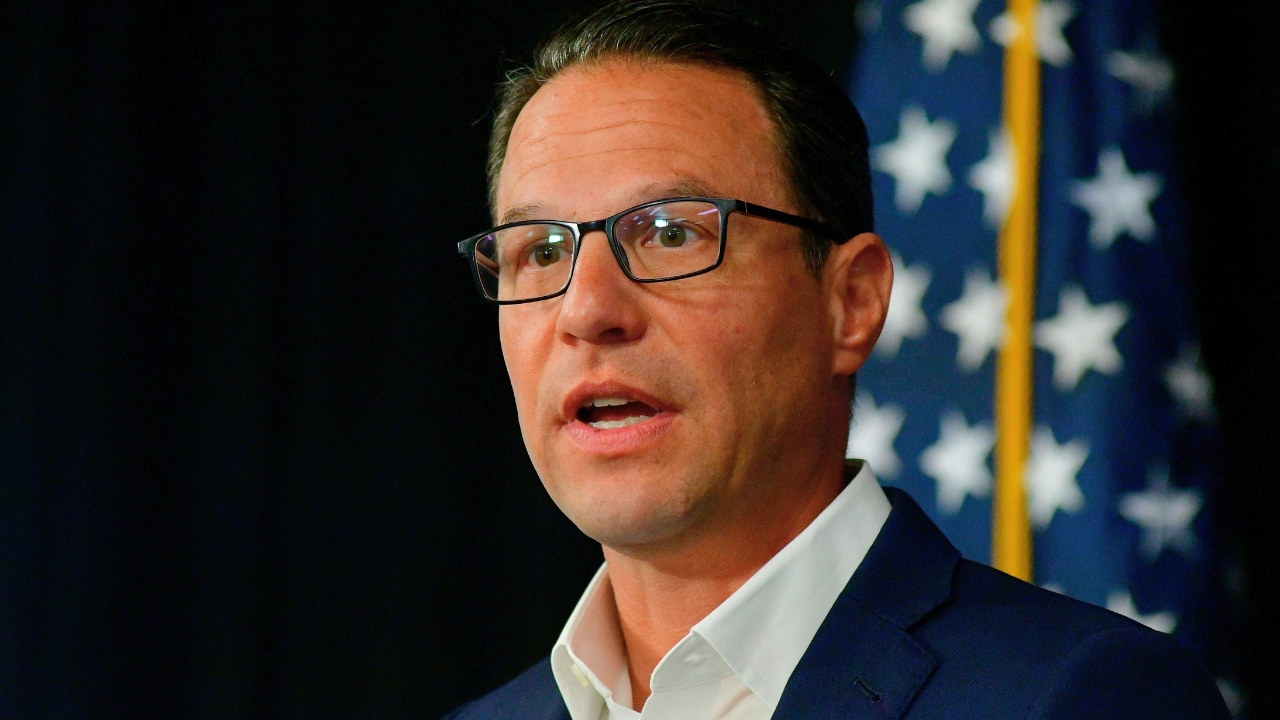
Commenters call Josh Shapiro a “corrupt lying con man” after he blames Trump for farmers’ and small businesses’ pain
Photo credit: OogImages/Shutterstock.com
Pennsylvania Gov. Josh Shapiro is taking aim at former President Donald Trump’s tariff approach again — and the response under his latest post quickly turned into a full-blown comment-section brawl. In a post on X on Feb. 17, Shapiro said Trump’s “reckless tariffs” are driving up costs, closing off markets, and making it harder for farmers and small businesses to succeed. He added that no matter what’s coming out of Washington, his administration will stay focused on affordability and “putting money back into people’s pockets” in Pennsylvania.
But the replies didn’t stay on policy for long. Some commenters flat-out rejected Shapiro’s premise, accusing him of fearmongering about tariffs or acting like he’s speaking for working people while living comfortably in government. Others went further, calling him a “corrupt lying con man,” and dragging up older grievances and controversies they associate with his leadership — the kind of backlash that’s become a predictable pattern whenever a major public official posts a hot-button economic claim online.
Why Shapiro is making this argument now
Shapiro’s message didn’t come out of nowhere. He’s been framing tariffs as an inflation-and-cost problem for a while, warning that broad tariffs can raise prices for businesses and consumers and trigger retaliation that hurts exporters — including agriculture. Pennsylvania has a big mix of industries that feel tariff shock in different ways: farmers who sell into global markets, manufacturers who rely on imported parts, and small businesses that can’t easily absorb cost spikes. Shapiro has previously criticized Trump-era tariff proposals as “reckless” and damaging, and Pennsylvania outlets have reported on him making the case that tariffs can roil domestic markets and squeeze everyday costs.
Zooming out, the tariff debate itself has been escalating again in the broader political conversation, with trade policy and “reciprocal” agreements getting renewed attention. Trump’s trade-and-tariff actions and priorities have remained a recurring theme in coverage of the 2025–2026 policy cycle, and new trade announcements have kept the issue active.
The backlash angle: what the comments are really saying
Under Shapiro’s post, two arguments showed up again and again:
1) “Stop blaming tariffs — your side did this too.”
A chunk of replies treated Shapiro’s tariff line as political messaging rather than a serious policy warning. Some argued costs rose for other reasons (inflation, spending, supply chains) and said Democrats are using tariffs as a convenient villain. Others countered that tariffs can be used strategically, and that critics exaggerate the downside.
2) “You don’t get to lecture anyone about affordability.”
This is where the tone got uglier. Instead of debating trade policy, commenters went personal — calling Shapiro a “con man” or accusing him of corruption or dishonesty. That kind of language is common in political comment sections because it’s emotionally satisfying and shareable, even when it doesn’t prove anything about the actual policy claim. The practical takeaway for readers: the outrage often says as much about distrust in institutions as it does about tariffs.
Shapiro didn’t respond directly in the thread shown, but this is the tradeoff of the “backlash beat” style: the public official sets the frame, then the comments reveal what the public is primed to reject — whether it’s the policy itself, the messenger, or both.
What’s true about tariffs and farmers
Here’s the part that matters beyond the pile-on: tariffs can cut both ways, and agriculture often ends up caught in the middle. When the U.S. raises tariffs, other countries can respond with their own tariffs on U.S. exports. That can hit farm products that rely on overseas buyers and can pressure prices at the farm gate. At the same time, some domestic producers like tariffs because they can protect certain industries from being undercut by cheaper imports.
Shapiro’s broader point — that tariffs can raise costs and disrupt markets — is consistent with how he has described the issue in prior public remarks reported by Pennsylvania outlets. But the comment section shows the other reality: even if the economics are debatable, a lot of voters don’t trust the politician delivering the warning — and they’ll use the thread to relitigate everything else they dislike about him.


