Bride Says Her Dad Tried Adding Stepmom’s Extended Family to the Wedding — Then Admitted They Might Start Fights
Photo credit: BearFotos/shutterstock.com
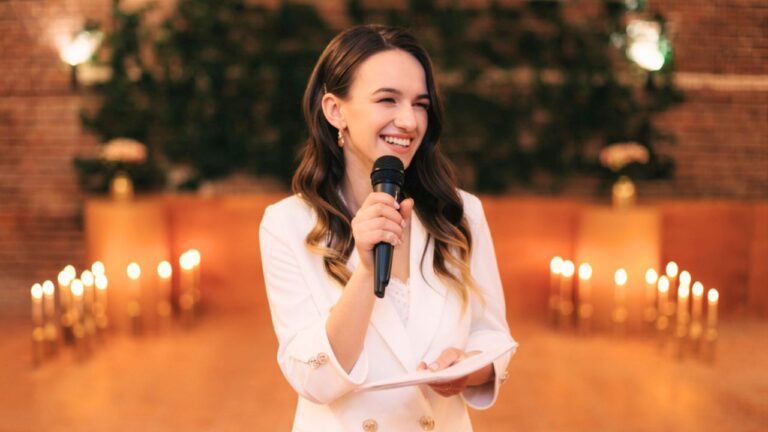
A 26-year-old bride says she and her fiancé are paying for their wedding themselves. So when her dad and stepmom started pushing to add the stepmom’s extended family to the guest list, she felt like the answer should have been simple: no.
She explained in a Reddit post that her dad married her stepmom when she was 10, two years after her mother died. From early on, her stepmom’s relatives seemed to resent the fact that the bride still called her stepmom exactly that — her stepmom — instead of treating her as a replacement mother.
The bride said her late mother’s family did not have an issue with her stepmom’s family at first. They simply referred to her stepmom by her actual role in the bride’s life. But according to the bride, her stepmom’s relatives felt that was disrespectful and believed the stepmom deserved more recognition from the late mother’s side of the family.
That tension followed the bride into her teenage years.
When she turned 16, her dad threw her a birthday party. He did not want to invite her mother’s family because he said it would make his wife and her family uncomfortable. The bride pushed back and asked who the party was actually for. As far as she was concerned, if her stepmom’s relatives had an issue with her mother’s family being there, they did not have to come.
Her stepmom told her relatives about that, and according to the bride, they put the blame on her mother’s family instead of recognizing that the event was about the teenager whose birthday was being celebrated.
That old fight mattered because now the same family dynamic was threatening to show up at her wedding.
The bride said she does not hate her stepmom’s extended family. But she also does not see them as her family. They are not people she feels connected to, and if her dad and stepmom divorced or her dad died, she believes she would lose contact with them quickly.
That made inviting them feel strange, not warm.
She said it would feel greedy, almost like a gift grab, to invite people she has no personal relationship with simply because they are connected to her stepmom.
There was also the bigger fear: drama.
The bride said there was a good chance that having everyone at the wedding would lead to attempts at fights. Given the old tension between her stepmom’s side and her late mother’s side, she did not want her wedding day to become another round of people arguing over who belonged where.
Her stepmom, however, wanted her extended family there.
The bride said no.
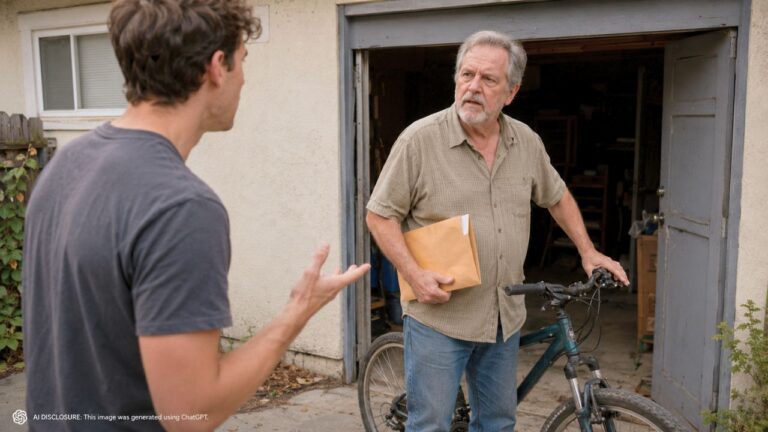
Then her dad tried to solve it with money. He offered to pay 100% of the cost for the stepmom’s extended relatives. His argument was that they could be treated as his guests instead of hers.
But that did not fix the real issue.
The bride asked whether he would keep them on a short leash so they would not start fights. She also asked whether he would make it clear that they would not be included in family photos.
Her dad admitted they would need to be included in photos to avoid hurt feelings and more trouble. He also said he could not control adults.
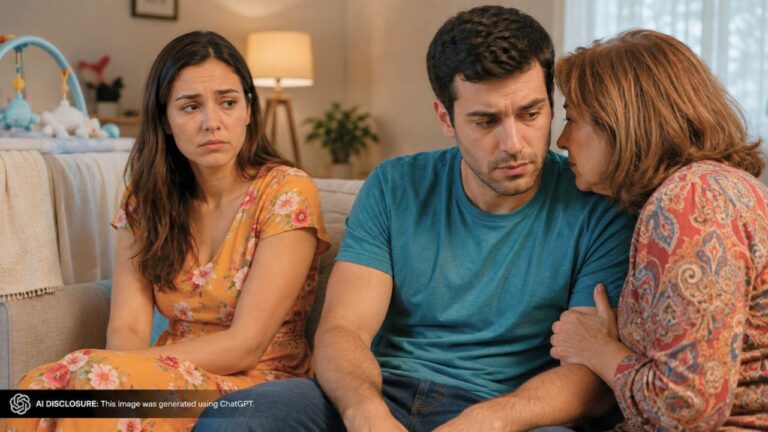
That answer only confirmed her concern. He was basically admitting that these guests might create conflict, that they would expect family-level treatment, and that he could not guarantee they would behave.
So the bride kept her no.
Her dad and stepmom accused her of being a bridezilla.
But from the bride’s point of view, she was not demanding anything outrageous. She and her fiancé were paying for the wedding. She was inviting people who mattered to her. She did not want a group of relatives she barely considered family showing up, getting included in photos, and potentially causing tension with her late mother’s family.
The conflict was not about refusing to acknowledge her stepmom exists. Her stepmom and dad were invited. The issue was whether the stepmom’s extended family had a right to attend a wedding for a bride they had never truly built a close relationship with.
By the time she posted, the bride seemed tired of being asked to protect everyone else’s feelings at the expense of her own peace. Her sweet 16 had already been turned into a fight over who counted as family. She did not want her wedding to go the same way.
Commenters overwhelmingly told her she was not wrong. Many said the wedding belongs to the bride and groom, not the stepmom’s extended family.
A lot of people focused on the father’s offer to pay. Commenters said it was telling that he had not offered to help with the wedding generally, but was suddenly willing to pay when it meant pleasing his wife and adding her relatives.
Several commenters also pointed out that money would not solve the problem. If the stepmom’s family was likely to start fights or demand to be in family photos, then covering their meals did not make them good guests.
Others were frustrated that the dad admitted he could not control adults but still expected the bride to invite people who might cause trouble. Commenters said that was exactly why they should not be invited.
A few people suggested the bride warn her dad and stepmom that if they kept pushing, their own invitations could become questionable too. Others advised security or a clear guest list at the venue in case uninvited relatives tried to show up.
The strongest reaction was simple: the bride lost her mother, kept ties with her mother’s family, and should not have to let her stepmom’s relatives turn another major life event into a fight over who gets to replace whom.

Abbie Clark is the founder and editor of Now Rundown, covering the stories that hit households first—health, politics, insurance, home costs, scams, and the fine print people often learn too late.