“The Cops Won’t Remove This Person From My Home”: Resident Says Guest Refused to Leave
Photo credit: Now Rundown
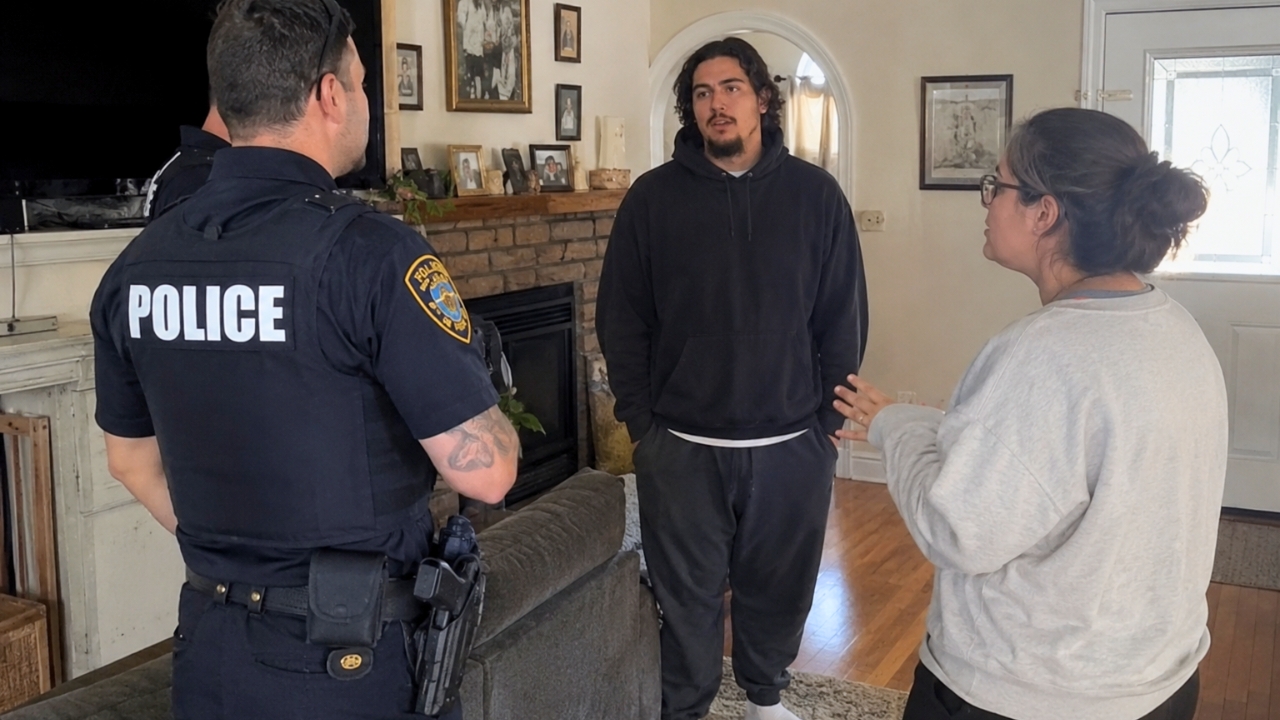
A resident said a temporary living arrangement turned into a legal mess after someone in their home refused to leave, and police allegedly would not remove the person.
The resident shared the situation in a post on r/legaladvice, explaining that a person was staying in the home and would not leave when asked. What started as someone being allowed inside had become something much harder to undo.
That is the part many people do not think about until it happens. Letting someone stay with you can feel informal. Maybe it is a friend who needs a place for a little while, a relative between housing situations, or someone who was supposed to leave after a short visit. But once that person has been in the home for a certain amount of time, receives mail there, keeps belongings there, contributes money, or otherwise looks like a resident, getting them out may not be as simple as telling them to go.
The resident’s frustration came from that exact problem. They wanted the person gone, but when police were contacted, officers allegedly would not remove them. To the resident, that likely felt backwards. It was their home. They wanted someone out. The person would not leave. Why would police not make them?
But commenters explained that police often avoid removing someone from a home if the situation looks like a tenancy or residency dispute rather than an active trespass. If the person can plausibly claim they live there, officers may tell the homeowner or resident that it has to go through civil court.
That answer can be maddening in real life. It means a person who is no longer welcome may continue sleeping in the home while the legal process plays out. The person who wants them gone may feel trapped inside their own house.
The post captured that helpless feeling. The resident was not only annoyed by a guest overstaying. They were dealing with someone who refused to leave after being told to go, while law enforcement apparently said they could not simply force the person out.
That kind of situation can escalate quickly. Tension builds every day the unwanted person remains. Arguments can start over rooms, belongings, locks, food, bills, noise, visitors, and privacy. The home stops feeling like a private place and starts feeling like a dispute that never ends.
The resident wanted to know what options were left. Could they change the locks? Could they remove belongings? Could they shut off access? Could they file something in court? Could police come back if the person became aggressive or damaged property?
Those questions matter because the wrong move can create problems for the person trying to regain control of the home. A self-help eviction, like changing locks or throwing someone’s things outside, can backfire if the person has legal rights as a tenant or occupant. Even if the homeowner feels morally right, the law may require notice and a court order.
That is what made the story so frustrating. The resident may have thought they were dealing with an unwanted guest. The system may have treated it like an eviction.
Commenters told the resident that the next step depended on whether the person had become a legal tenant or occupant.
Several people said that if police would not remove the person, the resident likely needed to begin the formal eviction process. That could mean giving written notice, following local court procedures, and getting an order before the person could be removed.
Others warned the resident not to change the locks, shut off utilities, remove belongings, or physically force the person out without checking local law. Those actions might feel reasonable in the moment, but they could expose the resident to legal trouble if the person had established residency.
Commenters also said the resident should document everything. That included when the person was first allowed to stay, whether they paid rent or contributed money, whether they received mail there, what agreements were made, when they were told to leave, and how they responded.
That timeline could matter in court. A judge may need to know whether the person was a short-term guest, a roommate, a tenant, or something in between.
Some commenters also made an important distinction: police may not remove someone just because they are unwanted, but police should still be called if the person becomes violent, makes threats, damages property, or creates an immediate danger. A civil occupancy issue does not mean the person can commit crimes inside the home.
Others recommended speaking with a local landlord-tenant attorney or legal aid office, especially if the resident was unsure what notice was required. Eviction rules can be technical, and doing the steps wrong can delay the process.
The post did not end with the person leaving or police returning to remove them. It ended with the resident confronting a hard reality: once someone has enough connection to a home, getting them out may require more than telling them they are no longer welcome.
That is what made the situation feel so trapped. The resident had opened the door at some point. Now they were trying to close it, and the person on the other side of the conflict had no intention of walking out voluntarily.
Commenters did not tell the resident to take matters into their own hands. They told them to document the arrangement, follow the formal process, and avoid doing anything that could turn the unwanted guest into the legal victim.
Because when police say they will not remove someone from your home, the fight is no longer only about who is right. It becomes about who has legal occupancy, what notice is required, and how to get a court order strong enough to make the person leave.

Abbie Clark is the founder and editor of Now Rundown, covering the stories that hit households first—health, politics, insurance, home costs, scams, and the fine print people often learn too late.