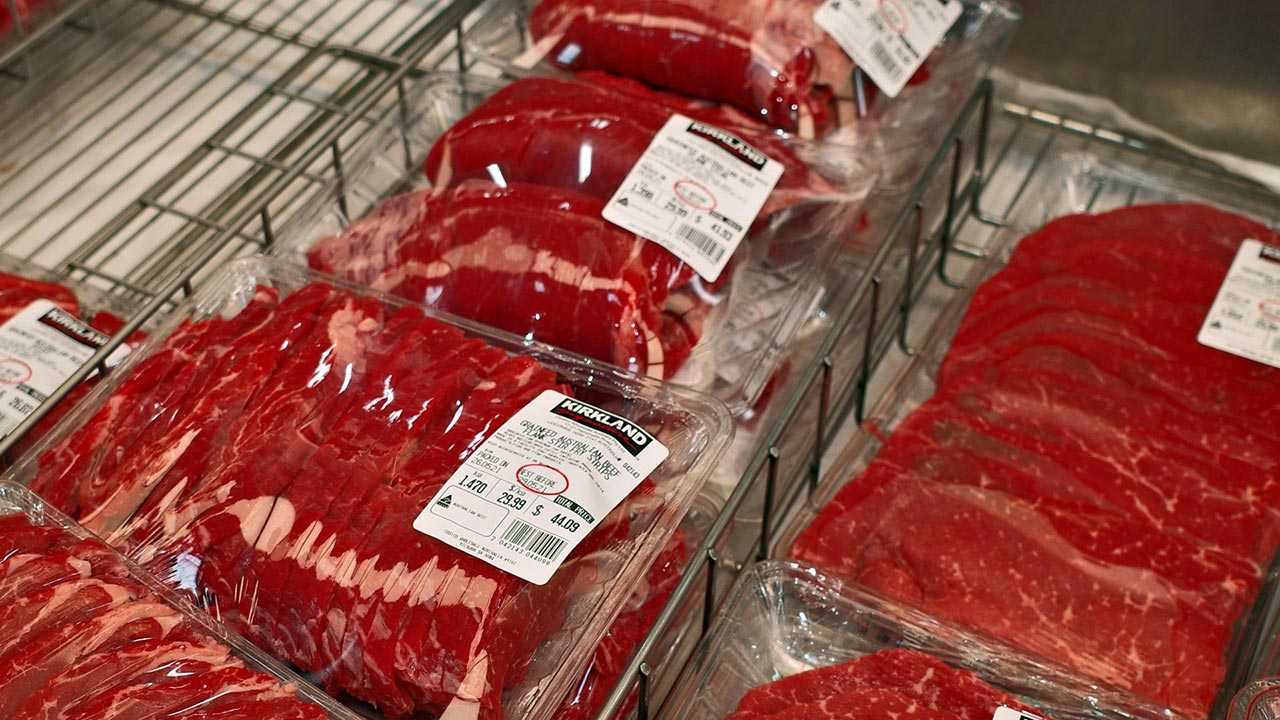
Beef prices keep stretching grocery budgets even after the holidays
Photo credit: 0xk/Unsplash.com
Even after the decorations are packed away and the big roasts are off your holiday menu, the price of beef keeps tugging at your grocery budget. You are not imagining it: the forces that pushed steaks and ground beef higher for festive dinners are still in play as you head into the new year. To understand what you are paying for at the meat counter, you have to follow the trail from drought‑thinned herds to global demand and the stubborn costs of feeding cattle.
Holiday sticker shock that never really ends
By the time you were shopping for rib roasts and brisket for holiday meals, beef had already climbed far beyond its pre‑pandemic range, and those elevated prices have not meaningfully retreated with the turn of the calendar. Even as overall inflation cooled from its peak, the specific category of beef stayed hot, leaving you to either trim portion sizes, trade down in cuts, or absorb a bigger bill at checkout. That disconnect between easing headline inflation and persistent meat costs is why the end of seasonal entertaining has not translated into relief in your weekly cart.
Recent consumer price data show that meat, and beef in particular, has been a standout driver inside the broader food index, with retail prices rising faster than many pantry staples. One analysis notes that They rose 1.2% from August to September, a reminder that the climb has been steady rather than a one‑time spike. When you layer that monthly increase on top of years of gradual gains, the result is a holiday splurge that quietly becomes your new normal, even on an ordinary Tuesday night chili.
How tight cattle supplies keep prices elevated
At the heart of your higher beef bill is a simple imbalance: there are fewer cattle available to become steaks and burgers at the same time you and other consumers still want them. Years of drought in key ranching states pushed ranchers to cull herds, sending more animals to slaughter in the short term but shrinking the pipeline of calves that would have supplied today’s market. That contraction is now showing up in the meat case, with packers and retailers competing for a smaller pool of animals and passing those higher procurement costs along to you.
Analysts tracking the cattle cycle describe record‑low herd numbers in America, a shift that is already visible in the latest available CPI data for beef. A major driver of the squeeze is the cost and availability of feed, since ranchers who held onto cattle through dry years were still needing that feed even as pastures withered. When you see a higher price on a chuck roast, you are effectively paying for years of weather stress and herd liquidation that cannot be reversed quickly, because rebuilding cattle numbers takes multiple calving seasons.
Feed, fuel, and the cost of raising each pound of beef
Even if cattle numbers were stable, the cost of turning grass and grain into finished beef has climbed in ways that show up directly in your grocery total. Feed is the single largest expense in raising cattle, and when corn, hay, and other inputs become more expensive, every pound of live weight costs more to produce. Add in higher fuel prices for transporting animals and refrigerated meat, plus labor costs at feedlots and packing plants, and you have a chain of expenses that accumulates long before a package reaches your cart.
Industry specialists point out that a major driver of the current price environment is the combination of elevated feed costs and tight supplies, which together keep Beef Prices rising even after broader inflation eased. Although there was a reduction in inflation towards the end of 2024, the cost structure inside the beef sector did not reset as quickly, leaving ranchers and processors still paying more for everything from veterinary care to energy. When you see a higher per‑pound price on ground beef, you are effectively covering those upstream bills, because there is little slack in the system for producers to absorb them on their own.
Why strong demand keeps the pressure on your wallet
On the demand side, you and other shoppers have been surprisingly reluctant to walk away from beef, even as prices climb. That loyalty matters, because when consumers keep buying nearly the same volume at higher prices, retailers have little incentive to discount aggressively. Instead, they may tweak promotions or push smaller package sizes, but the underlying per‑pound price can stay stubbornly high, especially for popular cuts like ribeye and brisket.
Market economists describe the current situation as a demand‑driven environment in which steady consumer appetite helps sustain elevated prices and push beef prices higher. One review of the sector notes that this is a demand‑driven market, with Bernt Nelson explaining how resilient purchasing has supported the price structure even as producers face headwinds related to COVID disruptions and other shocks. For you, that means that simply hoping other shoppers will cut back enough to force a sale is not a reliable strategy, at least not while beef retains its central place in many American diets.
Global trade and the role of imports in your local meat case
Even if you buy beef from a neighborhood supermarket, the price you pay is influenced by what happens in ports and on international trade routes. The United States both exports and imports beef, and those flows help balance the types of cuts and grades that domestic consumers prefer. When global demand is strong or when trade policies shift, the competition for certain products can intensify, nudging your local prices higher.
Experts who track trade flows note that the primary factor driving record prices is constrained supply at the same time that international buyers continue to value U.S. beef, with some countries accounting for a significant share of all U.S. beef imports. One analysis explains that Despite higher retail prices, consumers continue to value beef strongly in their diets, and when constrained supply meets that kind of demand, prices stay elevated. Trade rules under agreements like the United States‑Mexico‑Canada Agreement also shape how much product moves across borders, and analyses of why Beef is so expensive point to how these frameworks interact with domestic production to influence what you ultimately pay.
Weather, drought, and the long shadow of past decisions
Weather may feel like background noise when you are standing in a grocery aisle, but for cattle producers it is often the deciding factor in whether they expand or shrink their herds. Prolonged drought in key regions forces ranchers to choose between buying expensive supplemental feed or selling animals earlier than planned, which can flood the market in the short term but depress future supplies. Those decisions, made years ago in response to dry pastures and scarce water, are now echoing through the supply chain and into your household budget.
Industry reviews describe how drought, inflation, and inventory decisions combined into what one report calls The Story of the current market, with Drought shrinking herds just as costs rose. At the same time, inflation began to rise, driving up costs for everything from feed to fuel, and analysts warn that prices are likely to climb higher as the full effect of reduced inventory works through the system. When you see a higher price on a simple pot roast, you are feeling the delayed impact of those earlier weather‑driven choices.
Why farmers are not necessarily cashing in
It is tempting to assume that if you are paying record prices for beef, ranchers must be enjoying windfall profits, but the reality is more complicated. Many producers are squeezed between what they receive for live cattle and what they pay for inputs like feed, fuel, equipment, and financing. When their costs rise as fast as or faster than the prices they receive, the margin that might have been profit instead goes to covering bills, leaving little cushion to reinvest in herd expansion.
Analyses of the sector emphasize that even as retail prices hit records, farmers often struggle to reap the benefits because of the combined weight of drought, inflation, and inventory pressures. One review explains that Inflation and Inventory choices have left many operations in a bind, with higher interest rates and operating costs eating into any gains from stronger cattle prices. For you as a shopper, that disconnect means there is limited room for producers to voluntarily cut prices in the name of goodwill, because many are simply trying to stay solvent.
What official data says about production and outlook
Behind the scenes of every price tag is a stream of government data that tracks how much beef is being produced, stored, and consumed. Those reports help shape expectations in futures markets and among large buyers, which in turn influence the prices you see at retail. When official forecasts point to tighter supplies or slower herd rebuilding, wholesalers and grocers may lock in higher prices in advance, limiting the chance of sudden bargains at the meat counter.
According to the latest assessments, Together, these trends have contributed to lower beef production, a pattern highlighted in The December World Agricultural Supply and Demand Es report. Federal agencies compile these figures through systems managed by the USDA, which tracks everything from cattle on feed to cold storage stocks. For you, the takeaway is that official projections do not yet point to a surge in supply that would quickly pull prices back to where they were several years ago, so planning your budget as if current levels will persist is the safer bet.
How you can adapt your shopping and cooking habits
While you cannot control drought patterns or global trade, you do have levers inside your own kitchen to blunt the impact of high beef prices. One strategy is to shift toward value cuts that deliver flavor without the premium price tag, such as chuck eye instead of ribeye, or sirloin tip instead of tenderloin. Slow‑cooker recipes and pressure cookers let you turn tougher cuts into tender meals, stretching a smaller amount of meat across more servings and reducing waste.
You can also rethink how often beef appears at the center of your plate, rotating in pork shoulder, chicken thighs, or plant‑based proteins like lentils and black beans on some nights. Analysts who study consumer behavior note that when you put constrained supply next to steady demand, as described in When discussing record prices, the result is a market that responds more to structural shifts than to short‑term coupon clipping. That means your most powerful move is not chasing weekly specials, but deliberately planning menus that treat beef as one option among many rather than a default.
What to watch for in the year ahead
Looking forward, the same forces that kept your holiday beef bill high will shape what you pay through grilling season and beyond. The pace of herd rebuilding, the trajectory of feed costs, and the resilience of consumer demand will all determine whether prices plateau, inch higher, or finally ease. Because cattle production cycles are measured in years, not months, any meaningful change in supply will take time to filter through, so you should expect a relatively firm price floor even if broader inflation continues to cool.
Key indicators to watch include updates to federal supply and demand estimates, shifts in export volumes, and any signs that consumers are finally pulling back on beef in favor of cheaper proteins. Analysts who ask What is Causing the Increase in beef prices consistently point to tight supply doing more than reducing overall consumption, which suggests that only a significant change in production or a sharp shift in diets would move the needle in a big way. Until then, treating beef as an occasional splurge, planning around sales, and leaning on smart substitutions will be your best tools for keeping grocery budgets under control even as the holidays fade from view.