Roommate Lost Her Job and Couldn’t Pay Rent — Housemate Said She Still Had to Pay Her Full Share
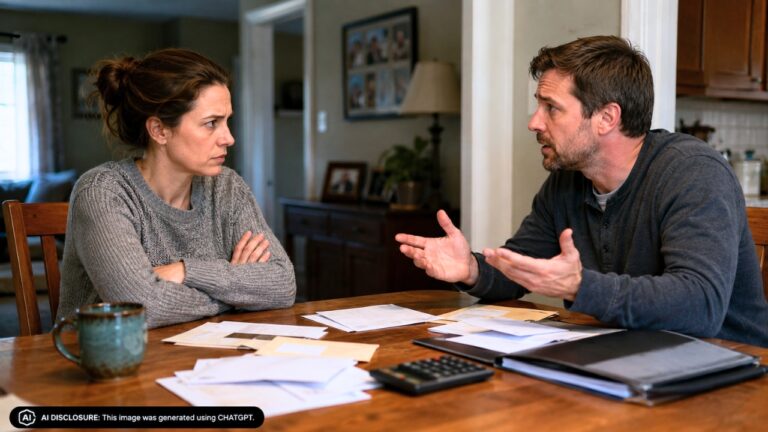
Photo credit: AI-generated image created using ChatGPT. Illustrative only.
Four college-aged roommates thought they had their living situation figured out: a four-bedroom apartment, evenly split costs, and one person handling the landlord and utilities so everything stayed organized. Then the pandemic hit, and one roommate left town to stay with her grandparents—taking herself out of the apartment, but not out of the lease.
In the original post, a 22-year-old woman explained that her roommate “Joan” (19) left “until this all blows over.” It didn’t sound like a dramatic move at first. The real problem showed up at the worst possible time: rent due day.
Rent was due, and one person went silent
Normally, the roommates each paid their share to the poster, who then paid the landlord and handled the utilities. It was a clean system—until Joan didn’t send anything at all. No warning, no “I’ll be late,” nothing.
So the poster texted Joan a reminder. Joan’s response wasn’t that she was short on money; it was that she didn’t see why she should pay at all. “Well if I’m not living there, why should I be paying rent? I’m not using the space,” Joan argued.
To the roommates still in the apartment, that logic didn’t change the math. They had chosen a four-bedroom place because four people were splitting it. If one person stopped paying, the remaining three would have to cover the gap—something they said they couldn’t afford.
“Not using the space” didn’t matter to the landlord
Joan’s room wasn’t empty. Her belongings were still in the apartment, taking up the bedroom she’d claimed when they all signed on to live together. From the poster’s perspective, the fact that Joan wasn’t sleeping there didn’t mean she’d moved out—she’d just relocated temporarily.
The building also wasn’t offering relief that would make the dispute easier. The poster said their apartment building had refused rent strikes for neighbors, so the idea of collectively withholding rent wasn’t realistic. Whatever was happening between the roommates, the landlord still expected to be paid.
Joan tried to frame it as a fairness issue, pointing to students in dorms who got reimbursed when campuses shut down. But a private lease wasn’t a dorm contract, and her roommates weren’t a university housing office with a refund policy.
One roommate covered the shortage—then drew a line
With the due date looming, the poster made a choice that kept everyone housed for another month: she paid Joan’s portion out of her own savings. She also covered Joan’s share of the utilities, even while admitting she felt conflicted about charging someone for bills they weren’t directly using.
But that “just get through this month” solution quickly turned into a bigger threat. The poster said if Joan didn’t resume paying, the other three would have to move out. Their budget was built around four equal shares, and nobody had extra money lying around to subsidize one roommate for an indefinite stretch.
After talking it through with the other roommates, the plan shifted from absorbing the hit to demanding repayment. They intended to ask Joan to pay back what the poster had fronted for rent and to keep paying going forward. They even considered letting utilities slide as a small compromise since they were reportedly lower that month.
The fight turned into an ultimatum: pay or come get your stuff
The poster’s edit showed how quickly roommate money disputes can turn into family-level conflict. After receiving feedback that she wasn’t being unreasonable, she escalated beyond texting Joan and contacted Joan’s parents directly.
According to the update, the message was blunt: Joan could either pay rent or come pick up her belongings. Joan chose to get her stuff—effectively ending the idea that she still “had” her room while refusing to pay for it.
Even then, the argument didn’t end neatly. Joan still fought about the month already covered, insisting she shouldn’t owe the full amount because she “wasn’t there for the whole month.” She also asked for her portion of the security deposit back.
The poster wasn’t willing to hand that over while the rent dispute was unresolved, saying she wouldn’t return it unless Joan paid what she owed. It was no longer just about an abstract question of fairness; it had become a direct standoff over cash, property, and who would be left holding the bill.
People zeroed in on the lease and the practical risk to everyone else
The responses the poster referenced didn’t focus on sympathizing with one side’s feelings as much as on the consequences. If rent didn’t get paid, it wouldn’t just hurt Joan—it could damage everyone on the lease, including the roommates who stayed and paid on time.
That’s why the lease kept coming up in the way the poster framed her own thinking. Her name was on it, Joan’s name was on it, and the landlord didn’t care who was physically sleeping in which room each night. The unit had a rent amount due, and the roommates were jointly stuck with making sure it reached the landlord.
There was also a clear practical point underneath the moral arguments: Joan’s choice to leave didn’t come with a replacement roommate, a formal sublet, or a negotiated reduction. Without one of those, “I’m not there” didn’t remove the financial obligation—it just shifted it onto other people.
They solved it by moving—because replacing a roommate mid-pandemic was too risky
Instead of trying to patch the household back together, the remaining roommates made a bigger move. The poster said they informed their landlord about what was happening and decided to find a new apartment for just the three of them.
The reasoning was simple: trying to fill a bedroom during the pandemic sounded like its own nightmare. Screening a stranger, coordinating viewings, and trusting someone new with rent and bills wasn’t a great option when everyone was already stressed and uncertain.
By the end of the update, they had reportedly found a new place and planned to move the following month. It didn’t make the money dispute disappear—Joan was still contesting what she owed—but it did reduce the immediate risk that one person’s refusal to pay would sink the entire household.
It’s a messy end to what started as a normal roommate arrangement: one person leaves for safety and comfort, another empties savings to keep rent current, parents get pulled into the argument, and the roommates who stayed decide the only real way out is to start over somewhere else.
Check out more from Now Rundown:
- A Party of 12 Came Back a Month Later Demanding Their $80 Tip Refunded — My Restaurant Made Me Pay It
- Her Coworker Kept Filing the Same Complaint About Her After Being Warned — Then She Filed a Counter-Report With Every Email Documented
- Siblings Demanded Half of Their Sister’s $11 Million Inheritance — She Refused Because They Never Visited
- The Kid I Bullied in Middle School Just Interviewed for a Job on My Team — He Bombed It and I Didn’t Hire Him

Abbie Clark is the founder and editor of Now Rundown, covering the stories that hit households first—health, politics, insurance, home costs, scams, and the fine print people often learn too late.