My Sister Told Our Whole Family That Mom Couldn’t Make It to the Wedding — She Was Never Invited
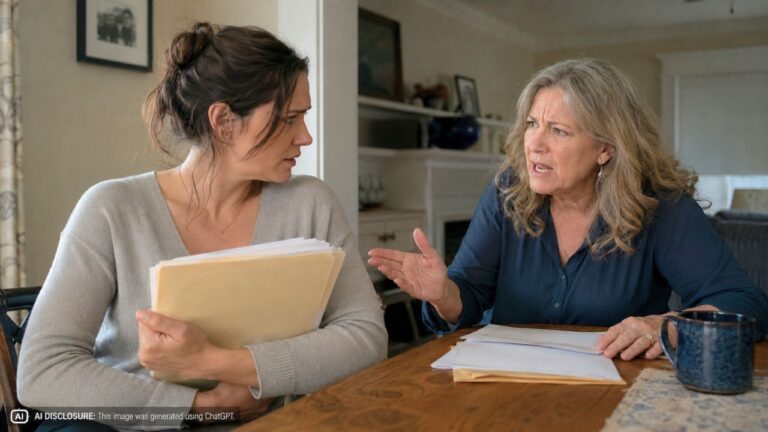
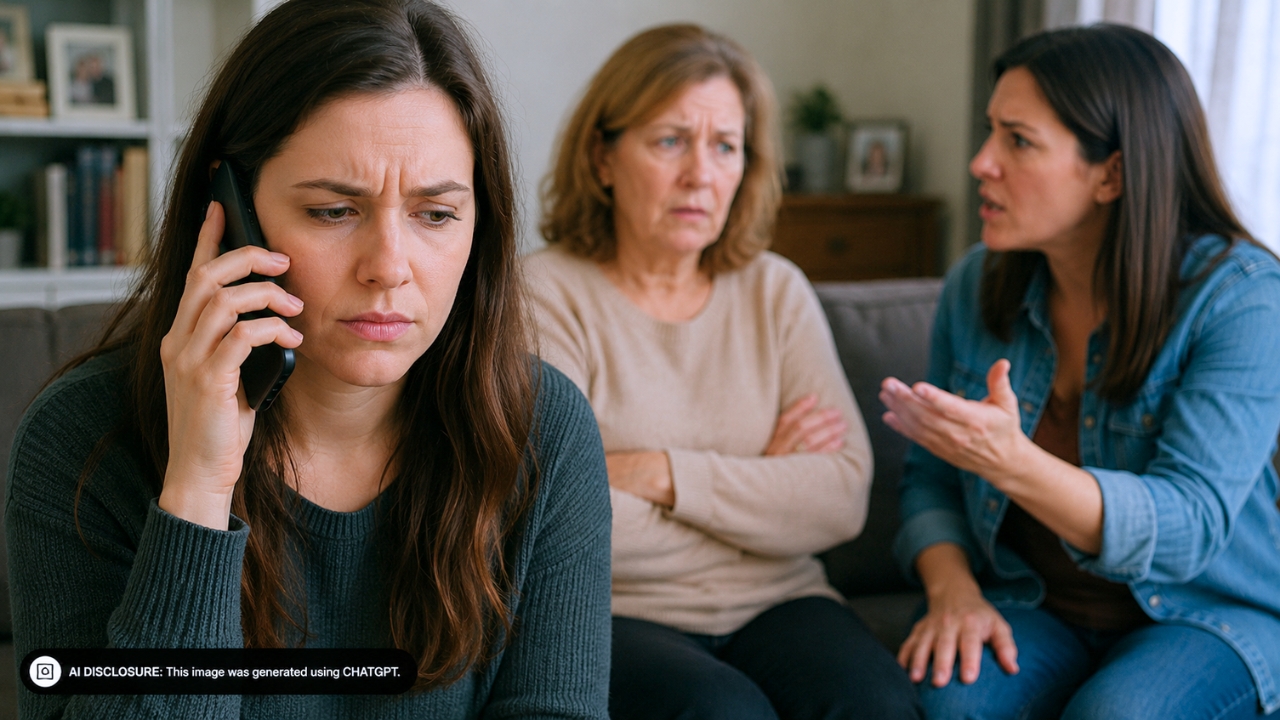
Photo credit: AI-generated image created using ChatGPT. Illustrative only.
Planning a wedding is stressful. Watching a parent slip away to dementia is brutal. One family found a way to combine both pressures into a blowup that didn’t just bruise feelings—it changed who even wanted to show up.
A brother said he learned that his sister had been giving relatives a softened version of why their mother wouldn’t be at the wedding. The truth, he explained, wasn’t that their mom was too unwell to travel. It was that she wasn’t invited at all.
The account, shared in the original post, lays out a month-long argument that started as a private family disagreement and ended in a public family rift—complete with a Facebook post and a growing list of guests backing out.
The wedding invitation that never came for Mom
The brother says his sister invited him to her wedding, but deliberately did not invite their mother because she has dementia. The sister’s reasoning, at least at first, was that attending would be “too much” for their mom.
He pushed back. He said their mother can still travel and that he takes her on trips regularly because she always wanted to see the world. He even referenced upcoming travel plans, explaining later that they were set to go to Europe in July.
The sister eventually gave him a more direct explanation: it was “too hard” for her to see their mom as she is now. Their mother, he wrote, used to be the strongest and most dependable person in their lives. Watching that change up close was something the sister didn’t feel she could face on her wedding day.
He didn’t agree, but he accepted the boundary she was choosing. Then he drew one of his own: if their mother couldn’t come, he wouldn’t come either.
“Then I’m not coming,” and the family role that collapsed
The sister didn’t just want her brother in the crowd. She wanted him to walk her down the aisle. When he refused to attend without their mother, she saw it as another major loss on top of the one she was already dealing with.
They left the argument there for a few weeks, but it wasn’t settled. It was paused. In families, that often means it’s simply waiting for the wrong moment to pop back up.
That moment came in an ordinary setting: a birthday phone call.
A birthday call, a casual comment, and the story starts to unravel
On his aunt’s birthday, the brother called to sing and wish her well, with their mom included in the call. Afterward, his aunt made what sounded like small talk: she said their mother looked great and that it was a shame she wasn’t up to traveling anymore.
The comment caught him off guard because, in his telling, it wasn’t true. He told his aunt they still travel and mentioned the planned Europe trip. Confused, the aunt explained where she got the idea: the sister had told her their mom wasn’t going because traveling is hard for her now.
That’s when he stopped protecting the wedding storyline. He told his aunt the real reason their mother wouldn’t be there: she hadn’t been invited, because the sister didn’t want to see her in her current condition. He also told the aunt he had been invited but declined to go without their mom.
The aunt was shocked. And then the information didn’t stay between them.
How it turned into a family-wide boycott
The brother says his aunt shared what she learned with other relatives, and it spread quickly. In his account, the tipping point was when the aunt made a Facebook post—something he noted travels fast “for older folks.”
The fallout was immediate. He doesn’t know exactly how many people decided not to attend, but he says many are now skipping the wedding.
At that point, the sister stopped treating the disagreement like a painful personal choice and started treating it like sabotage. She was furious, he wrote, and accused him of ruining her wedding twice: first by refusing to walk her down the aisle, and then by telling relatives the real reason their mom wasn’t coming.
From the brother’s perspective, he didn’t launch a campaign. He answered a direct question with the truth—after realizing a different version of the story had already been handed to the family.
The caregiving reality sitting under the argument
In an update, the brother added more detail about their mother’s condition and their day-to-day life. He described her dementia as mild to moderate, with some unusual features that doctors have struggled to neatly categorize. She may not recognize her children as her children, but she recognizes them as extremely important people in her life.
He explained that she remembers birthdays and important dates, and knows their names—yet believes she’s still in her 30s. He mentioned possible agnosia related to a “freak stroke,” and noted doctors don’t know what caused the stroke.
He also laid out the financial and practical constraints. Their mother’s sole income is survivor benefits of about $2,400 a month. Medicaid hasn’t provided meaningful help, he said, because she remains physically functional enough that services focused on safety and supervision aren’t covered in their case.
Meanwhile, he’s taken on the role of daily support and travel companion, emphasizing that he prioritizes whether she’s enjoying herself, even if she won’t remember the details later. He acknowledged extra precautions while traveling, including holding her hand and using a leash-like safety measure—a choice that, he said, was meant to prevent her from wandering and was something their mom used when they were kids.
All of that context helps explain why he saw the wedding decision as more than a guest list issue. To him, it was about dignity, inclusion, and whether the family would show up for their mom while she can still participate.
Where people drew the line: honesty versus “protecting” the day
The brother labeled himself “Not the A-hole” in the post and framed his decision as simple honesty after being confronted with misinformation. The sister’s view, as he relayed it, was that he should have kept quiet to avoid blowing up the wedding.
Others focused on how the messaging mattered almost as much as the decision. If the sister didn’t want her mother there, relatives might have disagreed but still attended. The bigger rupture came from the perception that she tried to manage the family’s reaction by blaming the mother’s health rather than owning the choice.
In the middle is a hard truth that doesn’t fit neatly into etiquette: the sister may be grieving and overwhelmed, but she’s also making a public statement about who counts as “family” on the day. The brother, acting as caregiver, wasn’t willing to play along—especially once he realized other relatives were being told their mom was simply unable to travel.
The wedding is still on the calendar, but the family dynamics around it have shifted. One sister wanted a ceremony that avoided the most painful reminder of her mother’s decline. One brother refused to celebrate without the mother he’s still traveling the world with, hand in hand. And now the rest of the family has been forced to choose which version of “showing up” they can live with.

Abbie Clark is the founder and editor of Now Rundown, covering the stories that hit households first—health, politics, insurance, home costs, scams, and the fine print people often learn too late.