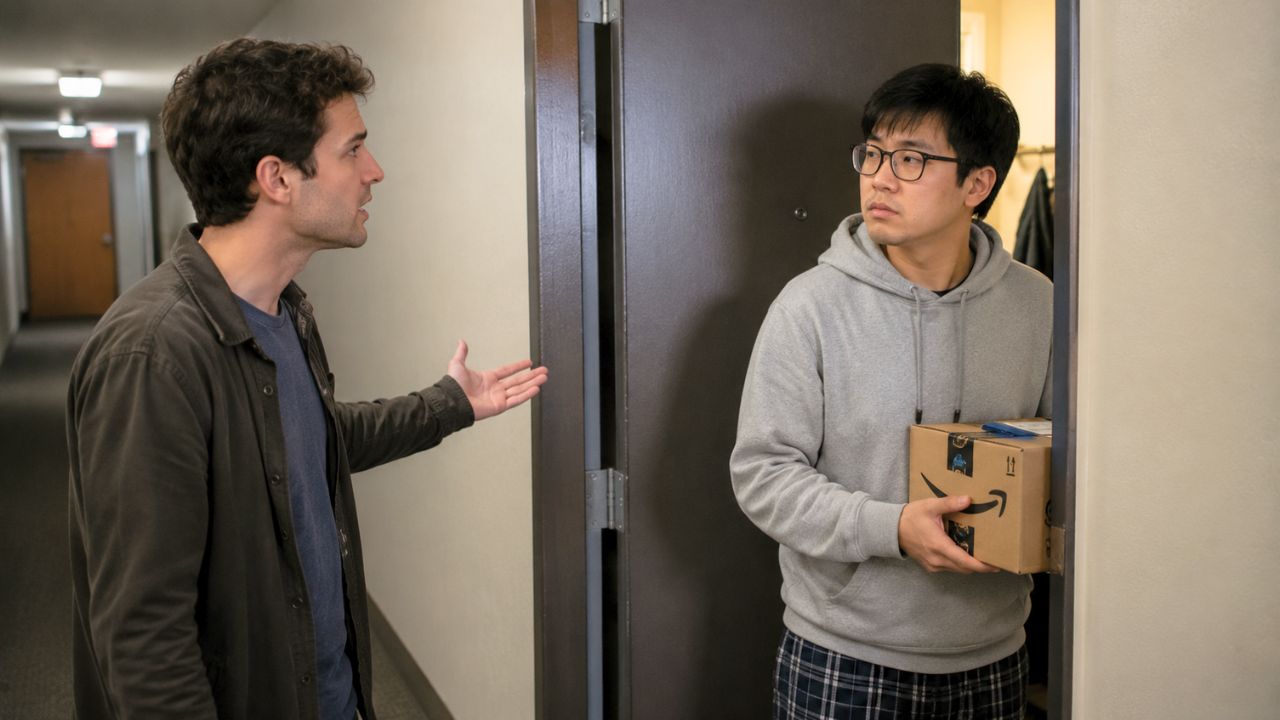
Apartment Across the Hall Had His Amazon Package — Then Refused to Give It Back
Photo credit: Nowrundown.com
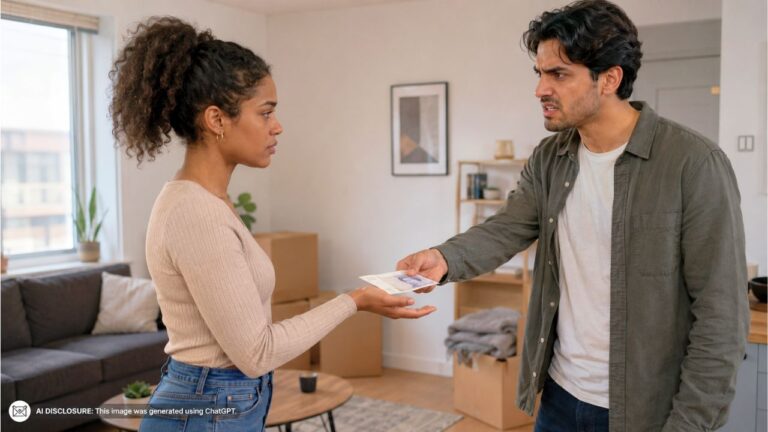
A Texas apartment resident said a simple delivery mistake turned into a legal question after an Amazon package allegedly ended up across the hall and the neighbor refused to return it.
The resident shared the situation in a post on r/legaladvice, explaining that the package had been delivered to another apartment in the same building. That kind of mistake happens all the time in apartment complexes. Similar unit numbers, long hallways, rushed drivers, confusing layouts, and shared delivery areas can make it easy for a box to land at the wrong door.
Usually, the fix is simple. A neighbor notices the name or unit number, brings the package over, or leaves it near the correct door. Maybe the recipient knocks, explains the mistake, and the neighbor hands it over.
But according to the poster, that did not happen here.
The package was allegedly in the apartment across the hall, and the neighbor would not give it back. That changed the issue from an ordinary delivery mix-up into something that felt more like theft. The resident was not asking about a package that vanished from a mailroom with no proof. They believed they knew exactly where it went.
That made the situation especially frustrating. If a random porch pirate steals a package and disappears, the victim may never know who took it. But when the package is believed to be right across the hall, the problem becomes more personal. The person who has it lives nearby. The recipient may see them in the hallway, pass them at the mailboxes, or hear them through the wall. Every future delivery could feel risky.
The resident wanted to know if they could file a police report. That question makes sense because people often assume police will not get involved in apartment package disputes, especially if the item is not extremely expensive. But from the resident’s point of view, the package was their property. If someone else had it and refused to return it, they wanted to know whether that crossed a legal line.
The apartment setting also complicated things. Building management may not want to get involved in neighbor disputes. Amazon may say the package was delivered. The delivery photo may show the wrong door, but it may not show what happened after the box was dropped off. The neighbor may deny having it or claim it was never there.
That leaves the recipient stuck between several possible paths: Amazon support, the delivery carrier, apartment management, police, or another attempt to speak with the neighbor. Each path has limits. Amazon may replace the package, but not always. Management may send a general reminder but not force entry into another unit. Police may take a report but may not treat the case as urgent.
Still, the neighbor’s alleged refusal mattered. A mistaken delivery can happen innocently. Keeping a package after learning it belongs to someone else is a different issue.
Commenters generally told the resident that they could report the situation, especially if they had evidence the package was delivered to the wrong apartment and the neighbor refused to return it.
Several people said the first step was to gather proof: the Amazon order details, tracking number, delivery photo, delivery time, item value, and any messages or notes showing the package went to the neighbor’s door. If the resident had spoken to the neighbor, they should write down when that happened and what was said.
Others suggested contacting Amazon first. If the delivery photo showed the wrong apartment, Amazon may be able to replace the item or refund it. Commenters noted that this would be different from a package correctly delivered and then stolen, because the delivery itself may have gone to the wrong unit.
Apartment management came up too. Commenters said the resident could notify management in writing that a package had been misdelivered to a specific unit and that the neighbor refused to return it. Management may not be able to search the neighbor’s apartment, but a written complaint creates a record and may prompt a warning about keeping misdelivered packages.
Police reports were also discussed. Some commenters said that if the neighbor knowingly kept the package, the resident could call the nonemergency line and ask to file a theft report. The value of the item and the quality of the evidence would likely affect how seriously it was handled, but the resident was not wrong to ask.
Several people warned against trying to force the issue personally. The resident should not enter the neighbor’s apartment, take anything from their door, or turn the hallway into a confrontation. Once the neighbor refused, the safest path was documentation and official channels.
The post did not end with the package returned or police action confirmed. It ended with the resident trying to figure out how much power they had when their property was allegedly sitting across the hall behind someone else’s door.
That is what made the situation so aggravating. The package was not lost in some unknown delivery system. It appeared to be close enough to retrieve in seconds, but the neighbor allegedly refused to cooperate.
Commenters did not tell the resident to keep arguing at the door. They told them to save the delivery proof, contact Amazon, notify management, and file a police report if the neighbor knowingly kept the package.
Because when an Amazon box lands across the hall and the person there refuses to give it back, the issue is no longer only a delivery mistake. It becomes a question of whether the neighbor is willing to return property that was never theirs in the first place.
Check out more from Now Rundown:
- A Party of 12 Came Back a Month Later Demanding Their $80 Tip Refunded — My Restaurant Made Me Pay It
- Her Coworker Kept Filing the Same Complaint About Her After Being Warned — Then She Filed a Counter-Report With Every Email Documented
- Siblings Demanded Half of Their Sister’s $11 Million Inheritance — She Refused Because They Never Visited
- The Kid I Bullied in Middle School Just Interviewed for a Job on My Team — He Bombed It and I Didn’t Hire Him

Abbie Clark is the founder and editor of Now Rundown, covering the stories that hit households first—health, politics, insurance, home costs, scams, and the fine print people often learn too late.