Neighbor’s Camera Pointed at the Front Door — Then Police Removed the Blocker Instead
Photo credit: Jose Miguel Sanchez/istock.com
A resident said a dispute over a neighbor’s security camera became even more frustrating after police allegedly removed the device they had put up to block the camera, but left the neighbor’s camera in place.
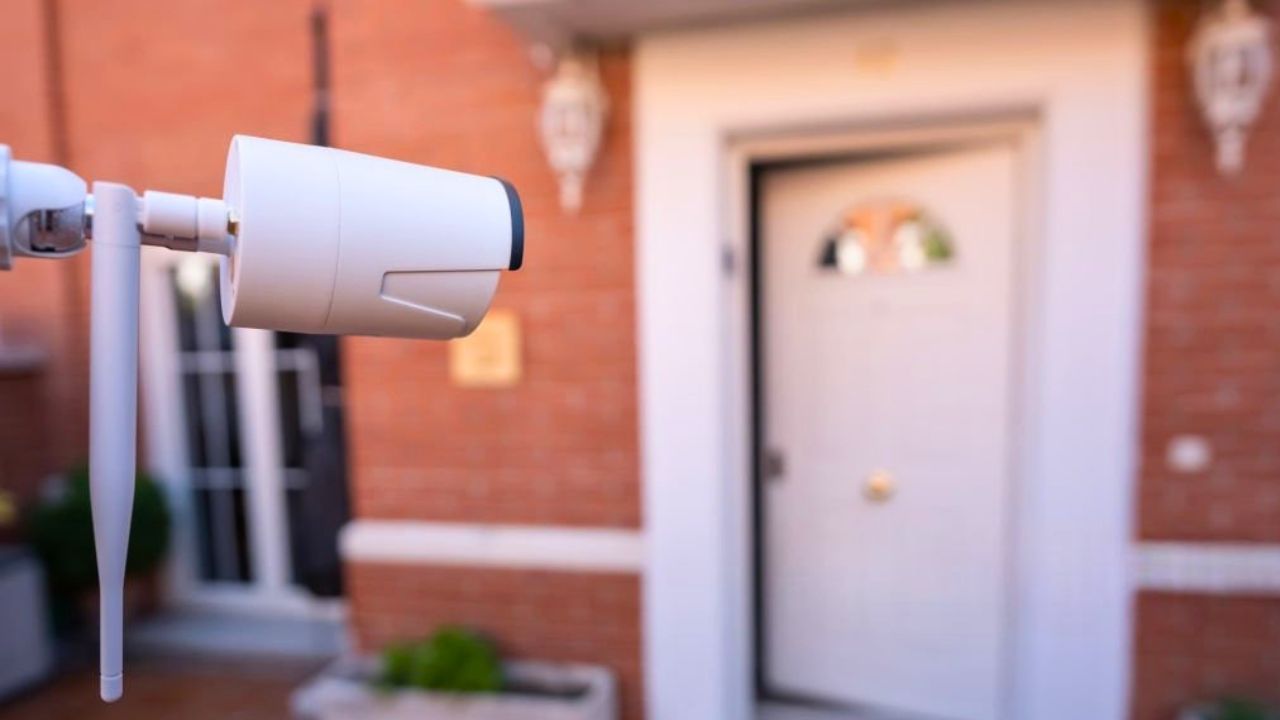
The resident shared the situation in a post on r/legaladvice, explaining that the neighbor had a camera pointed toward their front door. The resident did not describe the camera as a general porch camera catching a bit of the walkway by accident. Their concern was that the camera was aimed directly at the entrance to their home.
That kind of camera placement can make daily life feel watched. A front door says a lot about a person’s routine. It shows when someone leaves, when they come home, who visits, whether packages arrive, and how often the household is active. Even if the camera is outside, it can still feel invasive when it seems focused on one neighbor’s door.
The resident wanted the recording to stop, so they used an infrared blocker. The idea was not to damage the neighbor’s camera, according to the post, but to interfere with what it could capture. The blocker was meant to protect the resident’s own privacy without physically touching the neighbor’s device.
Then police allegedly got involved.
According to the resident, police came and took down the blocker but did not remove the neighbor’s camera. That outcome left the resident confused and angry. From their view, the neighbor’s camera was the problem. But the device they put up to block it was the one authorities removed.
That is where the situation moved from a privacy complaint into a legal question. Could a neighbor point a camera at someone else’s front door? Could the resident block it? Did the infrared device count as interfering with someone else’s property? Did police have the right to remove it? Why would the camera stay while the blocker came down?
Those questions are tricky because outdoor camera disputes often do not have the answer people expect. In many places, a person may be allowed to record areas visible from their own property or from public spaces. A front door visible from outside may not receive the same privacy protection as a bedroom, bathroom, or inside living space.
That does not mean it feels fine. It means the law can sometimes protect the person recording more than the person who feels watched.
The blocker made the dispute more complicated. Even if the resident felt the neighbor’s camera was invasive, using a device to interfere with it may have created a separate issue. Police may have treated the blocker as the thing causing a disturbance or interfering with the neighbor’s equipment, even if the resident believed they were only protecting privacy.
The post did not describe the neighbor breaking in, threatening anyone, or entering the property. It centered on surveillance and the resident’s attempt to stop it. That made the situation frustrating because the resident’s discomfort was real, but the available legal remedy was not obvious.
Commenters generally warned the resident that blocking or interfering with the neighbor’s camera could create more problems than it solved.
Several people explained that if the camera was on the neighbor’s property and pointed at an area visible from outside, it might be legal, even if it was annoying or uncomfortable. A camera aimed at a front door may feel targeted, but that does not automatically mean authorities will remove it.
Others said the infrared blocker was risky because it could be seen as interfering with the neighbor’s property. Even if the resident did not physically damage the camera, using a device specifically meant to disrupt its function could make police or the neighbor focus on the blocker instead of the privacy complaint.
Commenters suggested more practical privacy options. Curtains, privacy screens, fences, plants, awnings, or other barriers on the resident’s own property could block the camera’s view without directly interfering with the device. Those options may feel less satisfying, but they are usually safer legally.
Some commenters also said the resident should document the camera’s placement and any other behavior from the neighbor. A camera by itself may not be enough to prove harassment. But if the neighbor was using footage to comment on the resident’s schedule, confront visitors, make threats, or escalate a dispute, the camera could become part of a larger pattern.
There was also discussion about audio. If the camera recorded conversations, that could raise different issues depending on local law. Video of visible outdoor areas may be treated one way, while audio recording can be more legally sensitive.
The post did not end with the camera being removed. It ended with the resident learning that their attempted fix had drawn police attention, while the camera they were upset about remained.
That is what made the situation so irritating. The resident felt watched, tried to push back, and ended up being the one told to remove something.
Commenters did not tell them the neighbor’s camera was pleasant or considerate. They told them the legal answer might not match the emotional reality. If the camera was allowed, the resident’s best path was to block the view from their own side, document any escalation, and avoid devices that could be treated as interference.
Because once a neighbor-camera dispute becomes a question for police, the cleanest solution is rarely a gadget war. It is usually a paper trail, a privacy barrier, and a careful understanding of what the law actually protects.

Abbie Clark is the founder and editor of Now Rundown, covering the stories that hit households first—health, politics, insurance, home costs, scams, and the fine print people often learn too late.