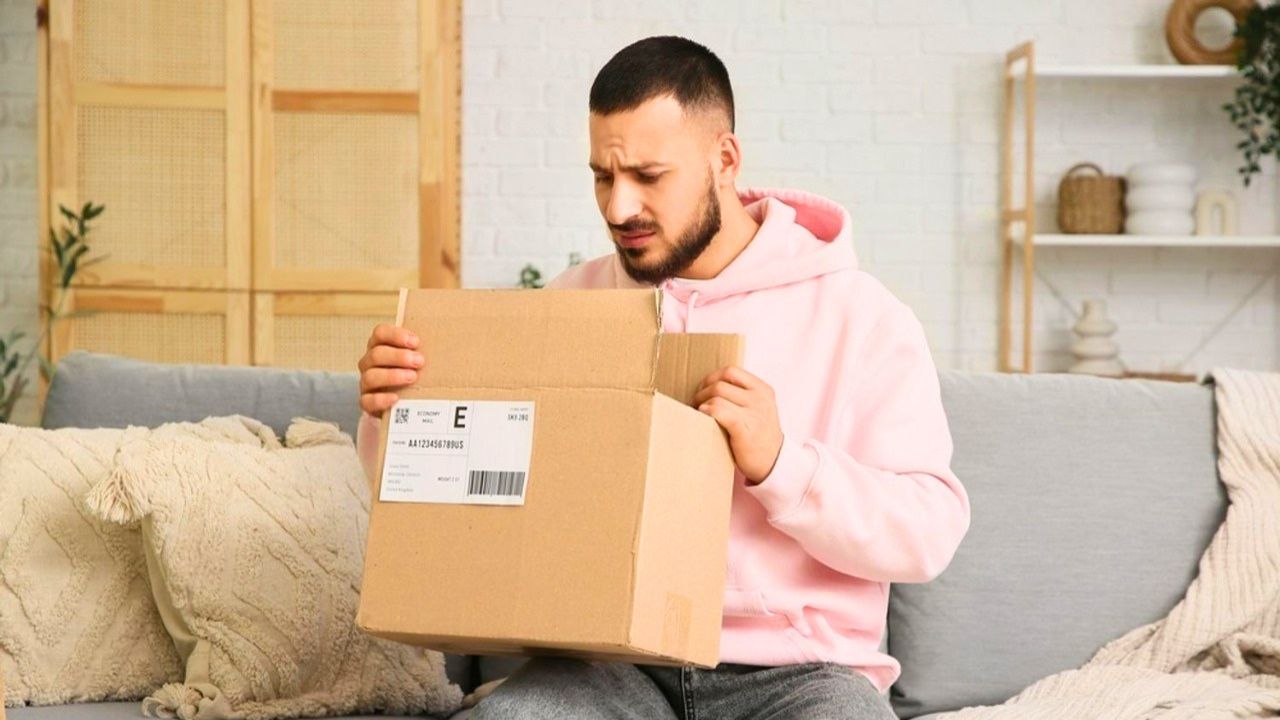
Credit Card Stolen, Xboxes Ordered to Victim’s Own House
Photo credit: Pixel-Shot/shutterstock.om
A Reddit user said they discovered a strange credit-card fraud situation after someone used their card information to buy Xbox consoles, then had the packages sent to the user’s own house.
The user shared the situation in a post on r/Scams, explaining that they first realized something was wrong when they checked their account and saw charges they did not recognize. The purchases were not small test charges or random subscriptions. According to the user, someone had used their credit card information to order Xboxes.
That was already alarming, but the shipping address made it even stranger. The packages were being sent to the victim’s house.
At first glance, that seems like a terrible plan for a scammer. Why steal someone’s card information and send expensive items to the same person who owns the card? But commenters quickly recognized the setup as something that can happen in fraud cases. A scammer may order items to the cardholder’s real billing address to avoid fraud detection, then try to intercept the packages before the homeowner gets them.
That possibility made the situation feel more urgent. If the packages were on the way, someone could be planning to come to the house, watch the porch, or knock with a story about a delivery mistake. The user was not just dealing with fraudulent charges. They were potentially dealing with someone using their home as the pickup point for stolen goods.
The user wanted to know what to do before the situation got worse. They were worried about the charges, the packages, and the possibility that someone might show up to retrieve them.
The fraud itself created a financial problem. The user needed to contact the credit-card company, dispute the charges, and make sure the card was shut down. But the delivery part created a safety problem. If the scammer expected to collect the Xboxes, then the user’s house could become part of the next step.
That is what made the story feel less like a routine “my card got stolen” post and more like a real-life incident with consequences. The user’s address had been pulled into it. Their porch, mailbox, delivery notifications, and front door were suddenly part of the scam.
The user did not describe knowing who had used the card. There was no obvious suspect, no neighbor caught on camera, and no text message admitting what happened. It was the kind of fraud that leaves the victim trying to guess the scammer’s plan from the details of the order.
The Xboxes mattered because they were valuable and easy to resell. A scammer who can get their hands on new electronics can turn stolen credit-card information into cash quickly. Shipping to the victim’s address may seem risky, but if the scammer can grab the boxes before the victim does, it can work.
The user’s next steps needed to happen quickly. If the items had not shipped yet, canceling the order might stop the delivery. If they had already shipped, the user needed to decide whether to refuse delivery, contact the retailer, notify the carrier, or bring the packages inside and wait for instructions.
The biggest concern was not to accidentally make the fraud harder to unwind. Opening the packages, keeping the items, handing them to a stranger, or returning them the wrong way could all create more confusion. The user needed a clear paper trail showing they did not place the order and were trying to resolve it properly.
Commenters immediately told the user to treat the situation as both financial fraud and a possible package-interception scam.
Several people said the user should call the credit-card company right away, report the charges as fraudulent, cancel the card, and request a replacement. They also suggested checking the account for any other unauthorized activity, because if the card was compromised once, there could be more attempts.
Others said the user should contact the retailer that sold the Xboxes and explain that the order was fraudulent. If the items had not shipped, the retailer might be able to cancel the order. If they had already shipped, the retailer could give instructions for refusing delivery or returning the items properly.
A major warning in the comments was not to hand the packages to anyone who came to the door. Commenters said scammers sometimes use the real cardholder’s address to get an order approved, then show up claiming the package was sent there by mistake. They may say it belongs to them, that they used to live there, that a friend sent it to the wrong address, or that they are picking it up for someone else.
The advice was simple: do not give expensive electronics to a stranger just because they have a story.
Some commenters suggested contacting the carrier and asking whether delivery could be stopped, held, or returned. Others recommended signing up for delivery alerts so the user would know exactly when the packages were expected. If the boxes arrived, commenters said the user should bring them inside quickly and follow the retailer or credit-card company’s instructions.
There was also safety advice. If someone showed up demanding the packages or refused to leave, commenters said the user should avoid opening the door and call police if necessary. A scammer trying to recover high-value electronics might start with a polite story, but the user had no reason to take that risk.
Several people also suggested filing a police report. Even if police did not investigate deeply, a report could help document the fraud and support the dispute with the credit-card company or retailer.
The user’s situation did not end with a scammer caught in the act. It ended at the moment when they had discovered the fraud and were trying to understand why stolen purchases were headed to their own home.
That uncertainty is what made the situation so unnerving. The charges were already a problem, but the delivery address raised a new question: was someone nearby planning to grab the packages?
Commenters treated that possibility seriously. They did not tell the user to wait and see what happened. They told them to cancel the card, dispute the charges, contact the retailer, preserve records, refuse to hand packages to strangers, and be ready if someone came looking for the Xboxes.
For the user, the safest move was to take control of the paper trail before the scammer could take control of the delivery. Every call, order number, tracking update, fraud claim, and police report could help show that the user was the victim, not the buyer.
Because when stolen card information is used to send expensive electronics to the victim’s house, the delivery is not a harmless mistake. It may be the next step in the scam.

Abbie Clark is the founder and editor of Now Rundown, covering the stories that hit households first—health, politics, insurance, home costs, scams, and the fine print people often learn too late.