Stranger Came to the Door Asking for a Package — Redditors Suspected a Porch Pirate Cover Story
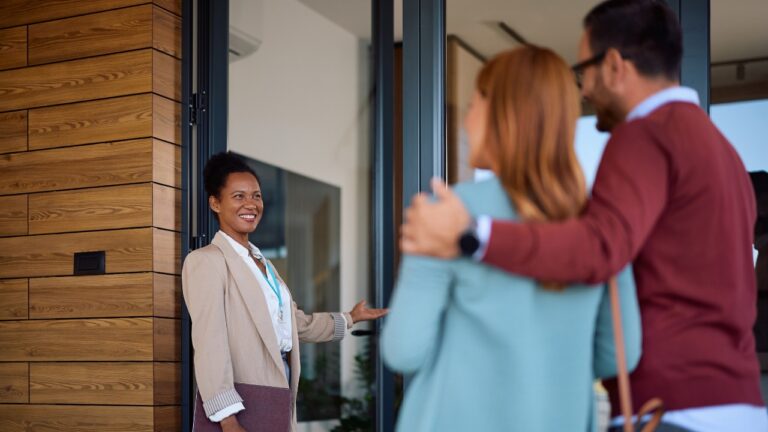
A homeowner said an ordinary morning turned suspicious when strangers showed up at the door asking about a package that supposedly had been delivered to the house.
The homeowner shared the situation in a post on r/Scams, explaining that people knocked on the door and asked for a package. According to the post, the visitors said the package had been sent to the homeowner’s address, and they wanted to collect it.
On the surface, that could sound like a simple delivery mistake. Packages get sent to the wrong place all the time. Someone mistypes a number. A seller uses an old address. A carrier drops something at the wrong door. Plenty of honest mix-ups start exactly that way.
But something about this encounter did not sit right with the homeowner.
The people came in person, early in the morning, and asked about a package the homeowner did not seem to know anything about. That immediately raised questions. How did they know to come to that specific house? Did tracking show the package was delivered there? Was the package real? Were they trying to recover something they had ordered fraudulently? Or were they checking whether someone was home before stealing from the porch?
That uncertainty is what made the situation feel bigger than a random doorstep question.
A stranger asking for a misdelivered package can put a homeowner in an awkward position. If the package is real and belongs to them, you do not want to be difficult. But if the story is fake, opening the door or engaging too much can create risk. It gives strangers information: someone is home, someone answered, maybe cameras are present, maybe the person inside is hesitant or easy to pressure.
The homeowner brought the situation to Reddit because it felt like it could be a scam, a porch pirate tactic, or something else tied to package theft.
The timing and setup made people suspicious. A scam involving packages can work a few different ways. Sometimes stolen credit-card information is used to send goods to a real address, and someone shows up to retrieve the items before the victim or homeowner realizes what happened. Sometimes people track packages, wait for delivery, then claim they were mistakenly sent there. Other times, the package story is just a reason to approach the door and test the household’s reaction.
The homeowner did not describe a violent confrontation. No one kicked the door, made threats, or forced their way in. But not every safety concern looks dramatic in the moment. Some begin with a polite question that feels slightly off.
That is what made the story so relatable. Most people would not immediately know what to do. If you open the door and say you do not have the package, do they leave? Do they keep pressing? Do you ask for ID? Do you call the carrier? Do you refuse to engage at all?
The homeowner’s post sat in that nervous space between neighborly mistake and possible setup.
The biggest concern was that the visitors might have been trying to use the homeowner as part of a fraud or theft. If a package showed up later, should the homeowner hand it over? Should they call the carrier? Should they mark it return to sender? Should they contact police if the strangers came back?
The homeowner wanted to understand what they had just experienced before it turned into something worse.
Commenters quickly told the homeowner to be careful and not give any package to strangers who showed up at the door.
Several people said that if a package arrived with the homeowner’s address on it but someone else’s name, the safest move would be to contact the shipping carrier or retailer, not the people at the door. If the package was genuinely misdelivered, the carrier could handle pickup or correction through official channels.
Others warned that handing over a package could accidentally help a fraudster. If stolen payment information had been used to ship items to the house, the person collecting the box could disappear with the goods while the homeowner was left as part of the paper trail.
Some commenters said the visitors may have been porch pirates trying to see whether the homeowner had cameras, whether anyone was home, or whether packages were sitting outside. Even if the package story was fake, it gave them a reason to walk up to the door and look around.
A few people suggested checking delivery apps, doorbell camera footage, and any carrier notifications if the homeowner had them. If a package did show up later, commenters said the homeowner should take photos, avoid opening it, and contact the carrier directly.
There was also practical safety advice: do not open the door wide, do not let strangers inside, do not confirm too much personal information, and do not argue if the people become pushy. If they refuse to leave, calling the nonemergency police line or 911, depending on the situation, may be appropriate.
The post did not end with the strangers being identified or arrested. It ended with the homeowner trying to figure out whether a strange doorstep encounter was harmless or part of something more organized.
That is often how scams and theft concerns begin. The moment itself may be small, but the questions afterward get bigger. Why did they come here? How did they know this address? What happens if a package arrives? What if they come back?
Commenters treated the homeowner’s caution as reasonable. They did not tell them to panic, but they did tell them not to become the middleman for strangers claiming a package.
The clearest advice was to make the carrier or retailer handle it. A legitimate recipient can work through the proper delivery process. A stranger who pressures a homeowner at the door does not need to be handed anything just because they say it belongs to them.
For the homeowner, the safest path was simple: keep the door closed, save any camera footage, refuse to hand over packages directly, and let official channels sort out any delivery mistake.
Because when someone shows up asking for a package you were not expecting, the package may not be the only thing they are looking for.

Abbie Clark is the founder and editor of Now Rundown, covering the stories that hit households first—health, politics, insurance, home costs, scams, and the fine print people often learn too late.