Free Trials Are Built to Convert. How to Avoid the Trap.
Photo credit: Mohamed_hassan/Pixabay.com
Free trials promise convenience and savings, but they are engineered to turn you into a paying customer before you notice the clock has run out. If you want the benefits without the surprise charges, you need to treat every “try it free” button as a contract, not a gift. With a few deliberate habits, you can enjoy the test drive and still keep control of your money.
How free trials are designed to hook you
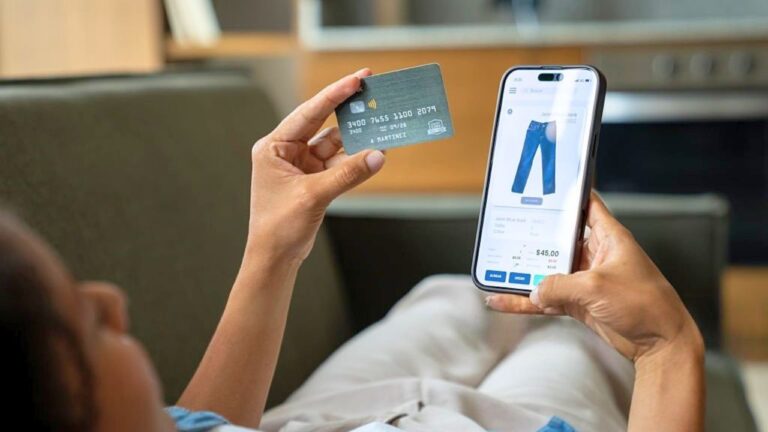
When you tap “start free trial,” you are stepping into a system built to convert you, not to remind you to leave. Companies know that once you hand over a card number, inertia works in their favor: you get busy, you forget the end date, and the first paid month slides through. Many services also default to the most expensive tier, so when the trial flips to a subscription, you are billed at a premium level unless you actively downgrade first. That is why a 30 day offer that looks harmless at sign up can quietly become a recurring line item on your statement.
Some businesses go further and layer in friction so you stay longer than you meant to. Instead of a simple “cancel” button in your account, you might be told to call a phone number, sit on hold, or navigate a maze of menus. Federal consumer guidance notes that dishonest operators sometimes keep charging even after you have said you do not want the product anymore, or they make it hard to figure out how to stop the payments at all, which turns a short trial into a long term drain. That structure is not an accident, it is a revenue strategy.
The fine print that turns “free” into expensive
The most powerful protection you have is also the most boring: reading the terms before you click. Buried in the small print are the details that decide whether a trial is a low risk test or a trap, including how long the free period lasts, exactly when billing starts, and what you have to do to cancel. Consumer advocates point out that some offers require you to cancel several days before the trial ends, not on the last day, so if you assume you have the full 30 days, you may already be inside the paid window. Others automatically roll you into a longer commitment, such as a full year, unless you opt out in time.
Recent consumer reporting on subscription complaints highlights how often people are surprised by these terms only after a charge hits their account. In one breakdown of “free trial” problems, customers described signing up for streaming platforms and fitness apps that looked like month to month services, only to discover in the fine print that the trial converted into a multi month package with early cancellation fees. Federal guidance on auto renewals warns that dishonest companies sometimes hide key details about price increases or renewal timing in dense legal language, then argue that you agreed to it when you clicked “accept.” If you skim, you are effectively signing a blank check.
Red flags when you sign up
Before you hand over a card number, it helps to treat the sign up screen like a checklist. If a trial demands a credit or debit card up front, pushes you toward the highest priced plan, and makes it hard to see what you will pay after the free period, you should assume the design is working against you. Consumer advocates who track subscription complaints say that legitimate services usually show the renewal price clearly and let you cancel online, while trickier offers bury the cost in footnotes or require you to call a number that is hard to find. If you cannot see the end date and the future monthly price in one glance, that is a warning sign.
Another red flag is any trial that makes cancellation sound vague or complicated. Federal consumer advice on auto renewals notes that dishonest businesses sometimes require you to send a letter, call during limited hours, or navigate confusing instructions just to stop charges. Some app based trials route you through multiple screens that all emphasize “pause” or “downgrade” instead of a clean “cancel,” which increases the odds you will give up and stay subscribed. If the path out is not at least as obvious as the path in, you should think twice about signing up at all.
Set up your own guardrails on day one
Once you decide a trial is worth trying, you need to build your own off ramp before you forget. The simplest move is to set a reminder on your phone or calendar the same day you sign up, ideally a few days before the trial ends, with the name of the service and the exact cancel by date. Consumer advocates who investigate surprise subscription charges recommend this step repeatedly, because it turns a vague intention to “remember later” into a concrete task you are likely to see. If you are juggling several trials at once, you can also keep a simple note listing each service, start date, and deadline so you can scan everything at a glance.
Some people go further and use a separate payment method for trials, such as a virtual card number that can be locked or a low limit card reserved for subscriptions. That way, if a company makes cancellation difficult, you have a backup option to cut off future charges. Federal guidance on recurring payments notes that if a business keeps billing you after you have revoked permission, you can contact your bank or card issuer and tell them to stop the payments, and they are required to investigate. Building these guardrails on day one means you are not scrambling after the first surprise charge hits.
Tools that track and cancel subscriptions for you
If you are already drowning in subscriptions, technology can help you see what you are paying for and shut down what you do not use. A recent roundup of the “Best Trackers To Help You Manage Subscriptions and Cancel Unwanted Ones” highlighted several apps that connect to your bank or card accounts, scan for recurring charges, and present them in a dashboard. Services like Rocket Money, Truebill, and Subby were cited as examples that can flag forgotten trials that quietly converted into paid plans, then help you cancel with a few taps instead of hunting through each company’s website.
These tools are not magic, and you still need to read their own terms carefully, but they can tilt the balance back in your favor. Some trackers will even negotiate lower rates on your behalf or send cancellation requests directly, which is especially useful when you are dealing with companies that make quitting difficult. Consumer advocates who recommend these apps emphasize that they are most effective when you pair them with your own vigilance: you still need to review the list of subscriptions they surface and decide what to keep. Used well, they turn a messy pile of recurring charges into a manageable list you can control.
How to cancel fast and fight surprise charges
Even with planning, you may eventually see a charge you did not expect from a “free” trial. When that happens, speed and documentation matter. Consumer guidance on recurring payments advises you to cancel immediately through the service’s website or app, then follow up with an email or screenshot that shows you ended the subscription. If the company makes cancellation difficult or keeps charging you, you can contact your bank or card issuer and ask them to stop the payments, and they may be able to reverse recent charges if you act quickly and can show that you tried to cancel.
For app store subscriptions, you often have an extra layer of protection. Reporting on the “free trial trap” in mobile apps notes that while neither major app platform guarantees a refund, many users have had success when they request one promptly after an unexpected charge. The advice is to cancel immediately through your Apple or Google account, then use the platform’s refund request tools and attach any proof that the app did not clearly disclose the terms. Consumer advocates also stress the importance of documenting everything: keep copies of confirmation emails, screenshots of misleading offers, and records of any chats or calls. That paper trail can make the difference if you need to escalate a dispute.
Why policy fights matter, even if you are careful
Your personal habits can protect you, but the rules that govern free trials also shape how companies behave. Consumer reporting on subscription abuses has highlighted efforts by regulators to require clearer disclosures and simpler cancellation processes, including proposals that would force companies to offer an easy “click to cancel” option that matches the simplicity of signing up. Some of those rules have been blocked or delayed, and while lawmakers push to revive them, you are still operating in a landscape where the burden falls heavily on you to spot traps and navigate confusing terms.
That policy backdrop explains why so many “free” offers feel risky. When dishonest businesses know there is little consequence for hiding key details or making cancellation painful, they have every incentive to keep doing it. Consumer advocates argue that stronger enforcement and clearer standards would reduce the number of people who end up paying for services they never meant to keep. Until those protections are in place, your best defense is a mix of skepticism, careful reading, and a willingness to walk away from any trial that seems designed to keep you in the dark.

Abbie Clark is the founder and editor of Now Rundown, covering the stories that hit households first—health, politics, insurance, home costs, scams, and the fine print people often learn too late.