Woman Refused to Give Her House to Her Sister-in-Law — Then the Family Treated Her Like the Problem
Photo credit: Now Rundown
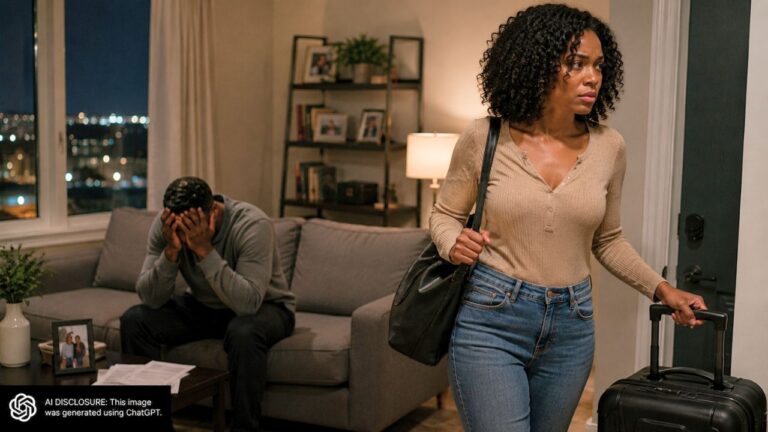
A mother of four said she knew her sister-in-law was going through a hard time. She did not deny that. A divorce with four kids involved is painful, stressful, and messy even in the best circumstances.
But none of that made the sister-in-law entitled to her house.
The woman and her husband had built their home with their own family in mind. They lived on a quiet country back road in a small town, near his parents and sisters. Her husband had bought the land from his parents when he was 18, and after they got married, they built what they considered their forever home.
It was not an investment property. It was not a spare house. It was where their children were growing up.
Then her mother-in-law called and asked them to come over for a “chat.”
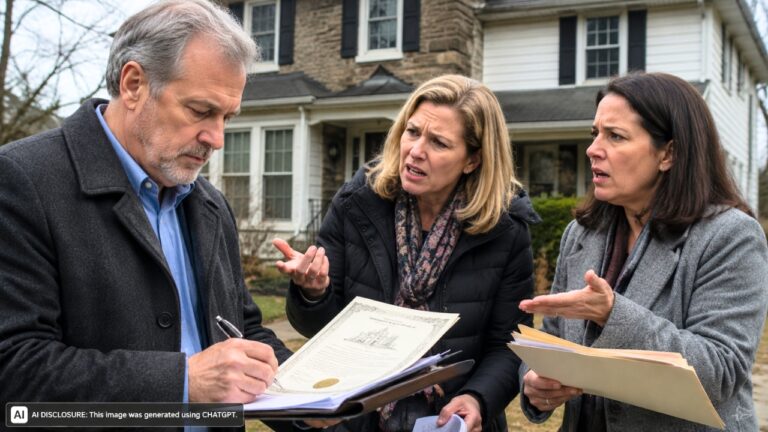
When they arrived, her in-laws and sister-in-law were sitting together like they had staged an intervention. The mother-in-law got straight to the point. The sister-in-law was going through a divorce, and according to the family, her ex was getting the house. They claimed she and her four children would be homeless within a month unless the couple gave her their home.
The woman said it took her a second to even understand what had been said.
Her husband did not need that second.
According to the Reddit post, he looked at them and simply said no. The in-laws immediately started arguing. They said he and his wife did not need all that house, could move into a new neighborhood in town, or could just build another house somewhere else.
That was the part that stunned the woman.
They were not asking for temporary help. They were not asking to stay for a few weeks. They were asking a married couple with four young children to move out of the home they had designed, paid for, and built so the sister-in-law could move in instead.
The woman did try to offer help. She said they could open up the playroom and guest bedroom temporarily. The guest room had a full bathroom, and they had air mattresses. It would not be ideal, but it would keep the sister-in-law and children from being homeless while she figured things out.
That was not good enough.
The family yelled that they did not care about the children, that family helps family, and that they were greedy and selfish. The couple left and went home — to the home everyone had just demanded they surrender.
The guilt campaign continued through calls and texts. The woman wondered if they had been too quick to say no, especially because she loved the sister-in-law’s children and did not want them suffering. But she also could not understand why helping those children had to mean displacing her own. Her kids lived there too. Their stability mattered too.
Commenters quickly told her the request was outrageous. Offering temporary space was already generous. Demanding the whole house was not need. It was entitlement.
Then the update made the situation even worse.
The woman and her husband eventually called the sister-in-law’s ex-husband. After hearing his side, they believed the sister-in-law had been lying about several major details. She had allegedly lied about him getting the house, lied about the child support situation, and lied about how often she would have the kids.
When the couple told the in-laws what they had learned, the parents were upset but still doubled down. They excused the sister-in-law by saying she must have had a good reason and was backed into a corner.
Then the sister-in-law joined the conversation and took no accountability.
Instead, she screamed that they had betrayed her by contacting her ex. Then she said something so bizarre it seemed to explain the whole demand: she felt like they had built the house for her.
She loved the kitchen. She loved the bathroom layout. She liked the children’s rooms. She said it was basically how she would have designed a house herself, so she seemed to believe it should somehow become hers now that she needed one.
At that point, the woman and her husband were done.
Afterward, they added a privacy fence around the entire property, upgraded their security cameras, and warned a family friend on the police force about the situation. The husband was grieving the way his parents had chosen to defend a liar over him, but the couple felt more at peace once they understood how much of the story had been twisted.
The woman’s final read on it was simple: her sister-in-law wanted the house because she loved it. That was it. She wanted it, so she decided she deserved it, and she tried to create enough panic and guilt to make the owners hand it over.
But a family crisis does not turn someone else’s forever home into emergency housing by force.
Commenters overwhelmingly sided with the homeowner. Many said offering the playroom and guest room was already a kind temporary solution, and the sister-in-law lost sympathy by refusing anything short of taking the whole house.
A lot of readers pointed out that if the in-laws cared so much, they could give up their own home or help the sister-in-law financially. It was easy for them to call someone else selfish while demanding someone else make the sacrifice.
Several commenters were disturbed by the update, especially the sister-in-law saying the house felt like it had been built for her. To them, that showed the demand was less about emergency shelter and more about wanting a nicer life at another family’s expense.
The strongest reaction was that protecting your own children is not selfish. The couple could care about their nieces and nephews without uprooting their own kids, surrendering their home, and rewarding a family member who had lied to make the pressure stronger.

Abbie Clark is the founder and editor of Now Rundown, covering the stories that hit households first—health, politics, insurance, home costs, scams, and the fine print people often learn too late.