My Friend Promised to Drive Me to a Concert I Spent $400 On — She Went Silent the Morning of the Show
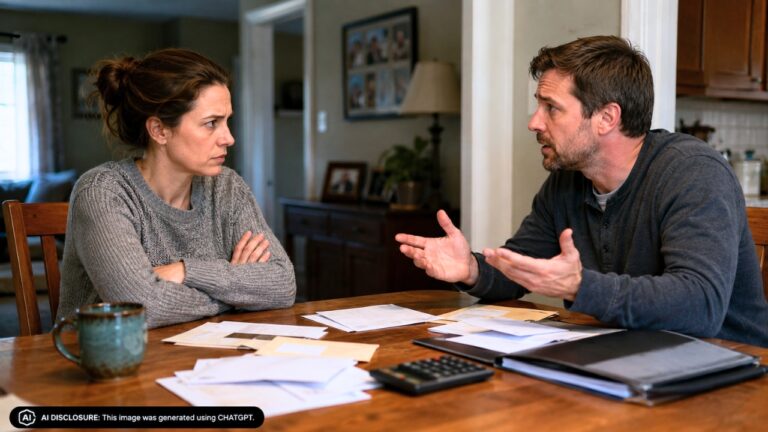
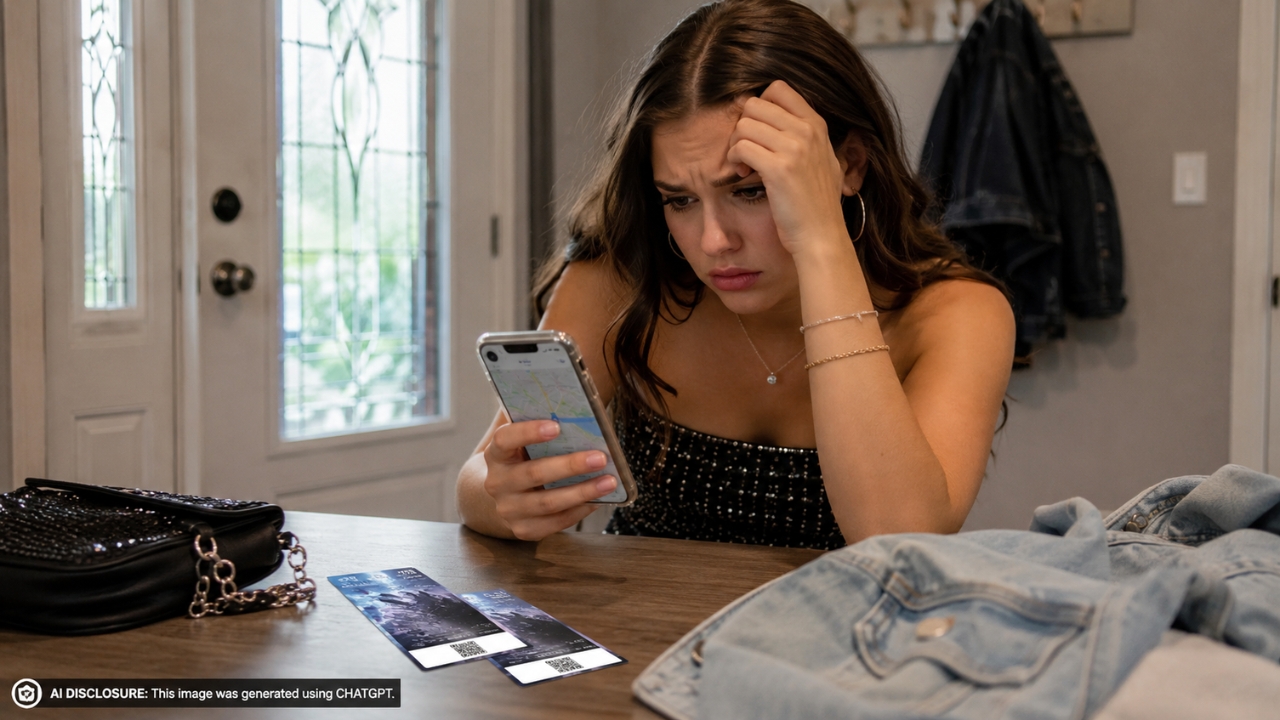
Photo credit: AI-generated image created using ChatGPT. Illustrative only.
Two VIP concert tickets. A sold-out show. And one simple agreement: one friend would buy the seats, the other would handle getting them there. With the venue about an hour away, it sounded like a fair split—until the days leading up to the show turned into a slow-motion scramble.
The ticket-buyer said she spent about $400 total for both tickets, planning for her friend to pay back roughly $200 for her half later. The catch was transportation. Her friend took ownership of that part, but as the date got close, messages started going unanswered and the plan started dissolving.
A sold-out show and a $400 leap of faith
The tickets were the kind you have to pounce on—sold out the same day they went on sale. The buyer secured two, covered the full cost up front, and trusted that her friend would settle up later. In the meantime, her friend’s responsibility was straightforward: figure out how they were getting to and from the venue.
It wasn’t just a quick ride across town. The venue was about an hour away, which meant transportation wasn’t a minor detail—it was the detail that determined whether the night happened at all. Weeks earlier, the buyer suggested scheduling a Lyft in advance, saying it would have been much cheaper.
But every time she tried to revisit the plan, her friend seemed irritated that she kept asking. Eventually, the friend told her not to worry because she would borrow a family member’s car.
Transportation went from “handled” to “maybe” overnight
Then, just days before the show, the friend admitted she didn’t actually know whether she’d be able to borrow that car. Suddenly, the “don’t worry about it” plan wasn’t a plan anymore.
At that point, the buyer said a Lyft would run around $100 each way. That’s a real hit on top of the ticket costs—especially when one person already fronted the money and the other hadn’t paid their share yet. The buyer was stuck weighing whether to eat the additional cost, push her friend for answers, or cut her losses while the tickets still had resale value.
What made it worse was the timing. With the show only a few days away, waiting until the last minute could mean being stranded or paying even more to get there. And the buyer made it clear she couldn’t afford to find out too late that her friend wasn’t going.
The silence wasn’t new, but the stakes were higher this time
The buyer said her friend had a habit of disappearing for days and later claiming she “forgets to respond.” Sometimes, she’d call and find out later that the friend’s nephew had the phone and declined the call while playing on it. It wasn’t framed as malicious so much as maddeningly unreliable.
That pattern had already affected plans before. The first time they went somewhere together, the friend was about an hour late because she was waiting to use someone else’s car. The buyer didn’t wait that time—she took an Uber and sat there until her friend finally showed.
This time, the silence carried a price tag. Not just the $200 owed, but the entire night: a sold-out concert, VIP tickets, and the looming possibility that the buyer would be left holding two seats and no way to get there.
Complicating everything, the friend had recently lost her job. The buyer said she was trying not to pressure her too much, aware she might be overwhelmed. But the lack of communication meant the buyer was being asked to carry the stress and the financial risk alone.
“Should I just sell the tickets?” turned into a confrontation
With no responses and no transportation locked in, the buyer started considering the option that felt most practical: sell the tickets while there was still time. Because the show was sold out, she figured she could likely resell them—and if she did, her friend wouldn’t have to worry about paying back the $200.
That’s when she sent a message asking whether she should just sell. According to her update, that text finally triggered an immediate reaction: her friend called right away and accused her of being dramatic, questioning why she would sell them.
The buyer told her it was because she wasn’t comfortable being so close to the event without secured transportation. The friend insisted they had already agreed to catch a Lyft and that the buyer “forgot.” The buyer, however, said that wasn’t how she remembered it—she believed her friend never gave a clear yes or no before the call got interrupted the other day when the friend’s nephew hung up the phone.
At that point, the buyer decided to stop waiting. She said she was ordering her own ride. If her friend shows up, she shows up. If not, the buyer already had a backup plan: she believed at least one person would be outside the venue looking for an extra VIP ticket.
More details are in the original post, including the full timeline of missed calls, shifting transportation plans, and the update that finally broke the silence.
What people zeroed in on: the money, the ride, and the pattern
Even without a full comment thread included, the pressure points are obvious. There’s the immediate financial imbalance—one person paid $400 up front while the other planned to pay later, and now there’s potentially another $200 in rideshare costs for a round trip. People tend to see that as more than a planning hiccup; it’s a risk that lands on the responsible friend every time.
Then there’s the reliability pattern. When someone has a history of going dark and showing up late because transportation falls through, “I’ll borrow a car” stops sounding like a plan and starts sounding like wishful thinking. The buyer wasn’t just anxious about one night; she was responding to a repeat cycle that had already left her waiting around once before.
And finally, there’s the job loss factor. Some would see it as a reason to offer grace, others as a reason to stop expecting your friend to follow through financially and logistically on an expensive outing. The buyer tried to balance both, but the closer the show got, the less room she had to be flexible.
One friend moved on, the other still might not show
By the end of the update, the buyer’s plan was clear: she was no longer letting her night hinge on someone else’s half-answers. She’d arrange transportation herself, go to the venue, and if her friend didn’t appear, she’d try to sell the extra VIP ticket outside rather than eat the entire cost.
It’s a practical pivot, but it doesn’t erase the underlying problem: when one person repeatedly disappears until consequences are on the line, every plan becomes a gamble. This time, the buyer decided she wasn’t going to gamble her way into missing a $400 show.

Abbie Clark is the founder and editor of Now Rundown, covering the stories that hit households first—health, politics, insurance, home costs, scams, and the fine print people often learn too late.