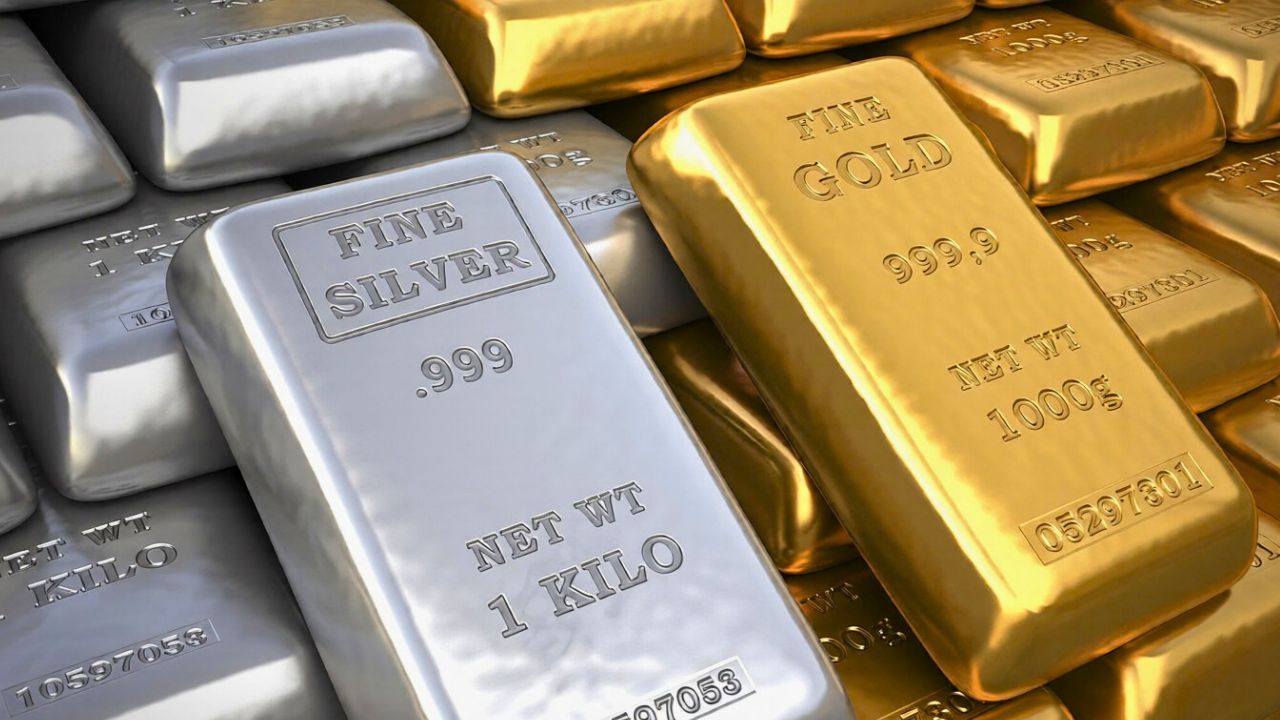
Gold and silver prices crater after Trump’s shocking Fed pick bombshell
Photo credit: Inok/istock.com
Gold and silver investors woke up to a nightmare as prices collapsed in one of the most violent precious metals selloffs in decades, triggered by President Donald Trump’s surprise choice of Kevin Warsh to lead the Federal Reserve. A market that had been leaning heavily on bullion as a hedge against political risk suddenly had to reprice everything from interest rate expectations to the value of the dollar. The result was a historic rout that wiped out recent gains and rattled portfolios from New York to Asia.
The shock was not just the scale of the losses but the speed with which sentiment flipped from fear of Fed interference to relief that monetary policy might stay orthodox. In a single session, gold’s safe haven aura dimmed, silver’s volatility roared back to life, and traders were reminded that central bank politics can move metals faster than any mining headline.
The bombshell: Trump taps Kevin Warsh for the Fed
Markets had spent months gaming out who President Donald Trump would choose to run the Federal Reserve, and many feared a loyalist who might bend policy to the White House’s will. Instead, the announcement that Trump had picked Kevin Warsh, a former Fed governor with a reputation for favoring higher rates, landed as a hawkish surprise that nonetheless reassured investors about the central bank’s independence. The nomination signaled that Trump was willing to entrust the Fed to someone seen as a policy insider rather than a political firebrand, a shift that immediately rippled through currencies, bonds, and commodities.
Traders who had been bracing for a weaker dollar and looser money suddenly had to adjust to the idea of a more conventional, inflation-fighting Fed. Reporting on the day of the move noted that gold and silver as President Donald Trump’s choice of Kevin Warsh for the Federal Reserve eased fears that the institution’s independence would be undermined. That pivot in expectations, from political interference to a steadier hand, set the stage for a brutal repricing of precious metals.
A historic crash in gold and silver
The immediate fallout was dramatic. Silver suffered the kind of single day collapse that traders usually only see in history books, with prices plunging roughly 30 percent in what was described as the worst session since 1980. Gold did not escape the carnage, tumbling in tandem as investors dumped positions that had been built up on the assumption of a persistently dovish Fed and a chronically weak dollar. The scale of the move underscored just how crowded the trade had become and how quickly momentum can reverse when a core macro narrative breaks.
Coverage of the rout highlighted that silver and gold on Friday, with gold dropping 12 percent while silver plunged 30 percent in their steepest one day fall in more than a decade. Another account described how gold and silver in global trading as markets repriced metals after the Warsh appointment shock. Together, the figures paint a picture of a market that did not just wobble, but cratered.
From record highs to sudden reversal
The violence of the selloff was magnified by the heights from which metals fell. In the days leading up to the announcement, gold and silver had been trading near record levels as investors piled into exchange traded funds and futures contracts to hedge against inflation, geopolitical risk, and uncertainty around Trump’s running battle with the Fed. That build up of speculative and defensive positioning meant there was a long way to fall once the narrative flipped from “Fed under siege” to “Fed back in control.”
Analysts noted that prices had surged to eye catching levels, with one report pointing out that gold had approached a peak of about $5,600 on Thursday before the crash, a move chronicled by Crystal Kim, a New York based markets reporter who described how investors had chased the rally from record highs. That context helps explain why the subsequent plunge felt so extreme: the market had been priced for a world in which the Fed stayed behind the curve, and Kevin Warsh’s nomination abruptly challenged that assumption.
Dollar surge and bond yields: the macro trigger
Behind the metals meltdown was a classic macro chain reaction. A more hawkish Fed chair implies higher interest rates over time, which in turn supports the dollar and lifts bond yields. For gold and silver, which do not pay interest, that combination is toxic because it raises the opportunity cost of holding bullion and makes dollar denominated commodities more expensive for buyers using other currencies. As traders digested the Warsh news, they rushed into the greenback and Treasurys, leaving precious metals on the wrong side of a violent rotation.
Reports from currency desks noted that the dollar index remained strong, trading about 0.8% higher than previous levels as the Warsh nomination hit. Another analysis of the crash emphasized that rising bond yields were key drivers of the sharp decline in global precious metal prices. In other words, the metals rout was not just about sentiment, it was a textbook reaction to shifting expectations for real interest rates.
Fed independence fears flip to relief
For months, investors had worried that Trump’s public attacks on the central bank could culminate in a Fed chair who would prioritize political goals over price stability. Those concerns were sharpened by Trump’s personal criticism of Fed boss Jerome Powell, who is set to depart in May, and by speculation that the White House might push for easier money to juice growth ahead of the next election cycle. Against that backdrop, the choice of Kevin Warsh, viewed as a policy hawk, was interpreted as a sign that institutional norms might hold after all.
Coverage of the reaction in Asia captured this mood shift, noting that gold, silver prices as investors were soothed by the Trump Fed pick and reassured that Fed independence would be preserved. A separate account stressed that Trump’s personal attacks chief Jerome Powell had fueled widespread fears, only for the Warsh nomination to suggest those clashes might not result in financial gains for the White House. That relief helped push investors out of defensive trades like gold and back toward assets more sensitive to growth and policy normalization.
Wall Street and global markets react
The metals crash did not happen in isolation. On Wall Street, the shock of a more hawkish Fed chair rippled through equities, particularly in sectors tied to mining and commodities. Shares of gold and silver miners were hit hard as investors marked down earnings expectations in line with lower spot prices, while broader stock indices wobbled as traders reassessed the path of interest rates and the cost of capital. The move underscored how central bank appointments can reshape not just bond markets but entire sectors of the real economy.
One detailed account noted that on Wall Street, stocks of metals miners tumbled as the price of gold dropped 11.4% to settle at $4,745.10 per ounce, with gold’s price having briefly touched $4,745.10 at one point on Thursday. Another report described how gold and silver Friday and European stock markets ended the week higher while Wall Street pulled back, reflecting a rotation out of safe havens and into risk assets overseas even as US equities digested the rate implications.
Why silver was hit even harder than gold
While both metals suffered, silver’s collapse stood out. The white metal is notoriously more volatile than gold because it straddles two roles: a monetary hedge and an industrial input used in electronics, solar panels, and other manufacturing. When macro conditions shift and growth expectations wobble, silver can be whipsawed by both sides of its identity. In the wake of the Warsh nomination, traders not only unwound safe haven bets but also questioned how higher rates and a stronger dollar might weigh on industrial demand, amplifying the downside.
Market coverage emphasized that silver plummets after Trump tapped Kevin Warsh to chair the Federal Reserve, with silver and gold prices falling sharply Friday as investors sifted through the implications. Another analysis noted that gold and silver as the dollar strengthened and confidence in its role as the globe’s reserve currency was reinforced. For silver, which had already outpaced gold on the way up, that combination of macro headwinds and position unwinding translated into a deeper, more disorderly fall.
Hawkish expectations and the “Warsh premium”
At the heart of the selloff is what some traders have started calling a “Warsh premium” on interest rates. Kevin Warsh has long been viewed as one of the more hawkish voices in central banking circles, someone more inclined to lean against inflation and asset bubbles even at the cost of short term growth. His elevation to the top job forces markets to price in a steeper path for policy tightening, which directly undermines the case for holding non yielding assets like gold and silver at lofty valuations.
One detailed breakdown of the move noted that Medora Lee described Kevin Warsh as the most “hawkish” of the group of potential nominees, a label that helps explain why markets reacted so forcefully. Another report on the global reaction stressed that Friday and European markets took the view that a Warsh led Fed would reduce the risk to the US economy from runaway inflation. That repricing of the policy path is precisely what drained the air out of the metals rally.
What it means for everyday investors
For retail investors who had flocked into bullion and related funds, the crash is a harsh reminder that “safe haven” does not mean “safe from volatility.” Many had bought gold and silver as insurance against Trump’s clashes with the Fed and potential dollar debasement, only to see those hedges lose value when the political script flipped. The episode highlights the importance of understanding not just the asset, but the macro story that is driving it, and of recognizing how quickly that story can change when a single personnel decision resets expectations.
Advisers are now urging clients to revisit their allocations and risk assumptions. Some point to tools like Google Finance for tracking real time price swings and historical volatility, while others stress the need to diversify across asset classes rather than relying on metals alone. Coverage of the rout has also noted that AFP reported gold, silver prices tumbling as investors were soothed by the Trump Fed pick, underscoring how quickly sentiment can swing from fear to relief. For those who believed metals only move up when politics get messy, the Warsh shock is a costly lesson in how central bank credibility can cut both ways.