The health habit that helps during flu season and almost nobody keeps up with it
Every flu season, you hear about vaccines, supplements, and disinfecting wipes, but the habit that quietly protects you most is the one people abandon as soon as they get busy: consistent, correct handwashing. The science is simple, yet the follow-through is not, and that gap shows up in crowded offices, school pickup lines, and every public restroom you rush through. If you keep this one routine going when everyone else lets it slide, you dramatically cut your odds of getting sick and of passing the virus to people around you.
Flu spreads efficiently through droplets and contaminated surfaces, which means your hands are the main shuttle service for germs from doorknobs and touchscreens to your nose, mouth, and eyes. Vaccination, sleep, and nutrition all matter, but without a reliable handwashing habit, you leave a wide open lane for infection. Treating hand hygiene as a daily discipline instead of a seasonal scramble is the underrated move that can keep you working, parenting, and socializing while others are home in bed.
The overlooked habit that quietly blocks flu germs
Handwashing is not glamorous, but it is one of the most powerful tools you have to interrupt flu transmission in real time. When you wash with soap and water, you physically remove virus particles that have landed on your skin from shared surfaces, coughs, or sneezes, instead of letting them linger until you touch your face. Public health guidance consistently ranks clean hands alongside vaccination as a frontline defense, because the flu virus can survive long enough on hard surfaces for you to pick it up hours after an infected person has passed through.
Flu-focused guides repeatedly single out hand hygiene as a core tactic, describing it as one of the best ways to protect yourself against seasonal influenza and other infections when you wash your hands often. Safety educators go further, framing proper technique as “one of the most important steps” you can take to stop the spread of germs, with detailed reminders on how long to scrub and when to do it. When you put those pieces together, the habit that almost nobody maintains consistently is also the one that quietly breaks the chain of infection dozens of times a day.
What the numbers say about how often people really wash
Even when flu is circulating, people’s actual behavior rarely matches what they know they should do. Survey data from MENOMONEE FALLS, Wis, shared in Feb, found that although more Americans report increasing their handwashing during flu season, 77 percent still say they observe others skipping soap in public restrooms. That means in any busy bathroom, you can safely assume a large share of people are walking out with contaminated hands, then touching door handles, elevator buttons, and payment terminals you will use next.
Other research on seasonal habits paints a similar picture of good intentions colliding with daily shortcuts. According to new survey data highlighted in Oct, less than one in three Americans, specifically 27 percent, plan to step up cleaning and hygiene practices ahead of cold and flu season, even though the same respondents say they understand these steps are important. The organization behind that survey, ACI, notes that Americans often underestimate how much consistent hygiene matters, which helps explain why the simple act of washing your hands thoroughly after the restroom or before eating remains the exception rather than the rule.
Why handwashing beats quick fixes like wipes and sprays
In flu season, it is tempting to lean on disinfectant wipes, scented hand gels, or a quick spritz of spray as a shortcut, but none of those options replace a full wash with soap and water. Handwashing works by combining mechanical friction with surfactants in soap that lift germs and debris off your skin so they can be rinsed away. That physical removal is crucial, because it reduces the total number of virus particles on your hands instead of just smearing them around or relying on a thin layer of alcohol that may not reach every surface.
Health educators who focus on flu prevention repeatedly emphasize that Hand Washing is one of the most effective ways to Keep You Healthy, especially when it is treated as a routine rather than a last-minute reaction. Part of that message is that soap and water are widely available, inexpensive, and do not depend on perfect product use to work. Wipes and gels still have a place when you are on the move, but if you rely on them instead of a sink, you miss the deeper clean that actually strips flu viruses off your skin before they can reach your airways.
How often, how long, and when to wash for real protection
To turn handwashing into a habit that truly protects you, you need to focus on timing and technique, not just frequency. The key moments are predictable: after using the restroom, before eating or preparing food, after blowing your nose, coughing, or sneezing, and as soon as you come home from public spaces like grocery stores, gyms, or public transit. In each of those situations, your hands are likely to have picked up respiratory droplets or surface contamination, so washing promptly cuts off the virus’s path to your face.
Flu prevention guides recommend scrubbing with soap and water for at least 20 seconds, covering the backs of your hands, between your fingers, and under your nails before rinsing and drying thoroughly. Safety-focused flu resources describe this as a central part of staying well, grouping proper handwashing with other basics like avoiding close contact with sick people and staying home when you are ill. Pediatric and primary care advice on Tips to Stay Healthy During Flu Season often lists hand hygiene alongside guidance to Avoid Close Contact and the reminder that One of the best ways to avoid getting sick is to stay home when you are already contagious, which underscores how central clean hands are to the whole strategy.
Why people abandon the habit once flu headlines fade
If you are like most people, your handwashing peaks when flu stories dominate the news, then quietly slips back to a quick rinse as soon as the immediate threat feels lower. Behavioral research suggests that habits tied to fear or short-term campaigns rarely last, because they are not anchored to daily routines or clear personal rewards. In a busy day, the extra 20 seconds at the sink can feel negotiable, especially when you are juggling kids, work deadlines, or a crowded commute, and there is no instant feedback that skipping soap has consequences.
Survey findings that only 27 percent of Americans plan to increase hygiene efforts ahead of flu season, even when they know it is important, hint at this disconnect between knowledge and action. The MENOMONEE FALLS, Wis data showing that 77 percent of people see others skipping soap in public restrooms reinforces how social norms work against you, because you subconsciously mirror what you see around you. When almost everyone rushes out of the restroom, it takes a deliberate choice to slow down, lather properly, and dry your hands, even though that small act is what separates you from the crowd that keeps flu circulating.
How clean hands amplify vaccines, sleep, and other defenses
Flu vaccination remains a cornerstone of prevention, but it is not a force field, and it works best when you pair it with everyday hygiene. Medical guidance on how to stay well in flu season stresses that you should Get the flu shot to prime your immune system, then support that protection with behaviors that reduce your exposure in the first place. When you wash your hands consistently, you lower the number of times your body has to fend off the virus, which gives your B-cells and antibodies a better chance to do their job without being overwhelmed.
Comprehensive flu advice also highlights the role of sleep, stress management, and overall wellness in keeping your immune system responsive. Resources that explain How to Stay Healthy During Flu Season note that when you Get the flu vaccine and combine it with basics like adequate rest and hydration, you are less likely to develop severe illness if you do get infected. Women’s health guidance that encourages you to Keep your body resilient by exercising, eating well, and managing chronic conditions points out that these habits improve overall health and wellness, which in turn helps you respond more effectively to flu exposure. In that context, handwashing is the low-tech layer that keeps your other investments in immunity from being constantly tested.
What “supporting your immune system” really looks like
Flu season marketing often leans on vague promises to “boost” immunity, but clinicians tend to focus on specific, measurable habits that support your body’s defenses. One of those is nutrition: having a balanced diet rich in fruits, vegetables, lean proteins, and whole grains provides the vitamins and minerals your immune cells need to function. Expert advice on Is Your Immunity Ready for Flu Season explains that Hydration and Diet are central, and that Here Are practical Ways to Boost Your Defenses, including thoughtful use of Vitamins and Supplements when appropriate.
Women’s health resources echo that message, urging you to Take care of your overall health with regular movement, stress reduction, and preventive care visits, because these steps improve overall health and wellness rather than chasing quick fixes. When you combine those internal supports with external barriers like handwashing, you create multiple lines of defense: fewer germs reach your body, and the ones that do encounter a system that is better prepared to respond. The habit of washing your hands may feel small compared with a new supplement regimen, but it is the piece that directly interrupts the virus’s journey from shared surfaces to your respiratory tract.
Protecting your household when one person brings flu home
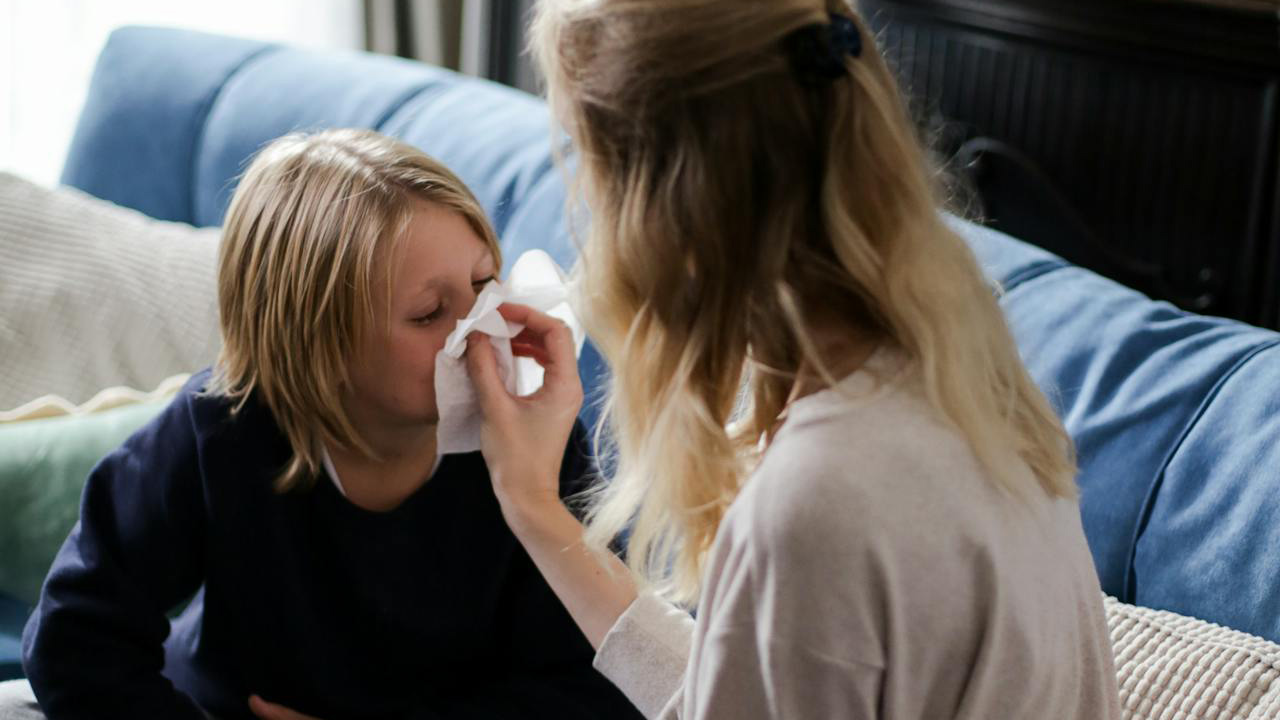
Flu rarely stays contained to one person in a household, which is why your handwashing routine at home matters as much as what you do in public. When a child or partner comes down with a fever and cough, every shared surface becomes a potential transmission point, from remote controls and light switches to bathroom faucets. Family health guidance warns that When one person in the family gets the flu, everyone in the family is at risk of getting sick, which can mean more days at work and school missed if you do not tighten up hygiene quickly.
Practical advice for Healthy Habits That Make a difference in protecting yourself and your family includes cleaning high touch surfaces, encouraging the sick person to cover coughs and sneezes, and making sure everyone who can get the flu shot does so. Resources that outline Healthy Habits to protect your family also stress frequent handwashing for both the ill person and caregivers, especially after handling tissues, dishes, or laundry. By treating the sink as your first stop after any contact with the sick room, you reduce the viral load that travels into shared spaces and give the rest of the household a better chance of staying well.
Turning handwashing into a habit you actually keep
Knowing that handwashing matters is one thing, but keeping it up when life gets hectic requires structure. One effective approach is to tie washing to fixed points in your day, such as every time you walk into your home, before every meal or snack, and after every restroom visit, no exceptions. You can also use environmental cues, like placing a favorite soap by the sink, posting a small reminder near the bathroom mirror, or setting a phone timer for 20 seconds so you do not cut the scrub short when you are in a rush.
Flu season checklists that outline 8 Ways to Stay Healthy often encourage you to Get vaccinated, Keep your distance from sick people, and Take care of your overall health, but they also assume you will follow through on the basics like washing your hands. Pediatric-focused Wash and hygiene tips suggest teaching children to sing a short song while they scrub so they reach the full 20 seconds, a trick that works just as well for adults who tend to rush. When you embed these small systems into your routine, the habit that almost nobody maintains becomes automatic, and your risk of catching or spreading flu quietly drops with every trip to the sink.
Supporting sources: Americans Increase Handwashing During Flu Season, Yet 77% ….

Abbie Clark is the founder and editor of Now Rundown, covering the stories that hit households first—health, politics, insurance, home costs, scams, and the fine print people often learn too late.