Mother Refused to Uproot Her Daughter’s Routine for an Absent Father Demanding More Custody — After Years of Paying Only $300 a Month
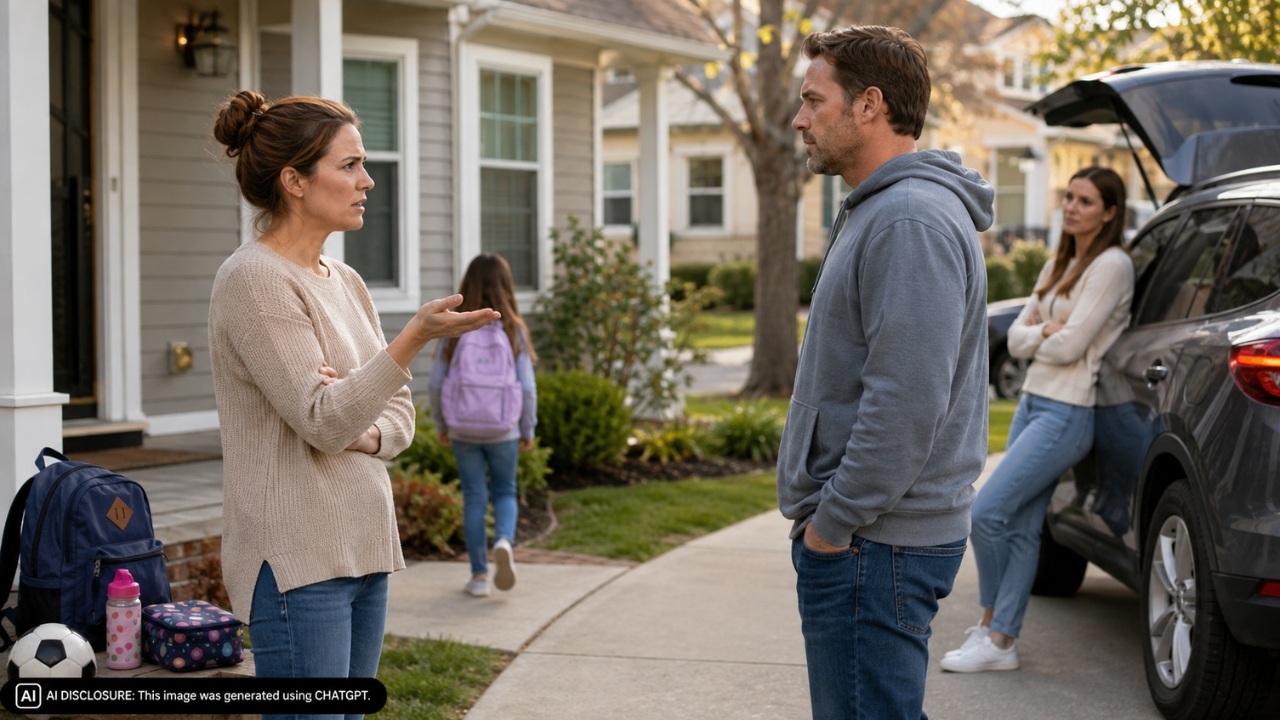
Photo credit: AI-generated image created using ChatGPT. Illustrative only.
For most of her daughter’s life, a 35-year-old mom says she’s been the steady parent—school mornings, sports schedules, therapy appointments, and all the small routines that keep a 10-year-old grounded. Her ex, Tom, wasn’t blocked from being involved, she says. He just rarely showed up.
Now he wants to show up in a big way, asking for more custody and changes that would ripple through the child’s entire week. In the original post, the mother lays out why she’s willing to expand visitation slowly, but refuses to dismantle the life their daughter has built—especially for a father she describes as largely absent until recently.
He left early, then treated support like a trophy
The mom says she and Tom were together for a few years before their daughter was born. When the baby was only a few weeks old, Tom moved out and in with another woman, and from there, his involvement stayed minimal. She emphasizes that she never kept their daughter from him, but she also wasn’t going to “chase him around” to force him into parenting.
A few years ago, she filed for child support. Tom now pays $300 a month, which she describes as something he seems to view as proof of being “father of the year.” In her view, the money never replaced time, consistency, or responsibility—and it didn’t come with any real custody arrangement until recently.
When he remarried, he suddenly wanted more custody
Last year, Tom remarried a woman named Peggy, and that’s when his push for expanded custody began. The mom says she didn’t dismiss the request outright. Instead, she talked to their daughter’s therapist and agreed to an initial step: every other weekend.
Her line in the sand was clear. She would not force her child into a major life overhaul just because Tom now wanted to “play family.” If he wanted to rebuild a relationship, she believed it needed to happen gradually and in a way that protected the child’s stability.
But the weekends quickly became stressful, not restorative. And the mother says the problems weren’t minor inconveniences—they were the kind of everyday dysfunction that makes a kid feel unsafe, unsettled, and unheard.
The weekends at dad’s house sounded chaotic—and her daughter felt it
According to the mom, Tom and Peggy’s home environment has been miserable for her daughter. She describes frequent yelling and what she considers poor hygiene and an unclean home—nothing she thinks would trigger outside intervention, but far below the standards her daughter is used to. The bigger issue, she says, is the tone: loud, unpredictable, and lacking basic structure.
Peggy has five children, the mom explains, though two are older and live on their own. The remaining kids in the home include a 17-year-old son, a 12-year-old daughter, and a son the same age as her daughter. The mom describes them as “feral,” saying there’s little supervision, lots of phone use, and no routine.
Then there’s a detail that raises her stakes even more: she says Peggy is an antivaxxer. She doesn’t describe a specific medical conflict yet, but her inclusion of it underscores a fear that decisions in that household may clash with how she’s been keeping her daughter healthy and safe.
The stress didn’t stay behind closed doors. Her daughter plays soccer, and during one weekend visit, Tom and Peggy were 45 minutes late getting her to a game. The child was texting her mom, panicked that she’d miss it. When the mom called Tom to figure out what was happening, she says he “screamed” at her for calling at all.
The distance became leverage, and then came the school demand
Tom and Peggy live 25 to 30 minutes away, “out in the boonies,” the mom says. When he first started coming around again, she told him she wouldn’t spend hours driving or restructure her week to accommodate his choices. She says he promised it wouldn’t be a problem.
Now it is. Tom is pushing for a meeting point or alternating who does handoffs. The mom refuses, arguing that he chose to move farther away and he can do the driving if he wants parenting time. She’s already frustrated, she says, that her daughter is in the car that long just because Peggy “needs to have a lot of property.”
But the request that really set her off wasn’t about pickup logistics. It was about school.
Her daughter earned a spot in a competitive magnet program in their district, which the mom says they both worked hard for—her daughter by merit, and her by handling the paperwork and meetings. Tom now wants the child removed from that school and enrolled in the public school near his home. His reasoning, according to the mom: the stepkids are jealous of what her daughter gets to do.
For the mother, that wasn’t just a “no.” It was a sign that Tom’s custody push may be centered on his new household’s comfort, not his daughter’s best interest.
People zeroed in on consistency, documentation, and the therapist
The mom framed her question around whether she was wrong for refusing to reorganize her child’s life around a father who only recently decided to be more involved. The response she received in the post itself is clear: “Not the A-hole.”
Even without a full comment thread included, the pressure points are obvious: the child’s existing routine, her schooling, and the way the father handled conflict when the mom tried to coordinate something as basic as getting to a soccer game. The fact that the mother consulted the child’s therapist before increasing visitation also stood out as a practical, child-centered step rather than a reflexive gatekeeping move.
Her post also reads like someone already thinking ahead: if Tom is talking about court, she appears ready to point to a long history of her being the primary parent, her willingness to allow contact, and her refusal to make destabilizing changes that don’t serve the child.
She’s not blocking him—she’s drawing boundaries around her daughter’s life
The mother says her daughter already has male role models who are present and invested, and she doesn’t believe Tom’s renewed interest should come at the cost of the child’s education or stability. She expects Tom may threaten legal action, but doubts he will follow through, describing him as lacking “gumption.”
For now, she’s continuing the limited visitation she agreed to, while refusing the bigger demands: no changing schools, no restructuring the child’s schedule, and no shifting the driving burden onto the household that has carried parenting responsibilities for a decade.
And that’s where the tension sits. Tom wants to be treated like an equal parent without having built an equal history. The mom is willing to let him try—but only on terms that don’t ask a 10-year-old to pay the price for an adult’s late arrival.
Check out more from Now Rundown:
- A Party of 12 Came Back a Month Later Demanding Their $80 Tip Refunded — My Restaurant Made Me Pay It
- Her Coworker Kept Filing the Same Complaint About Her After Being Warned — Then She Filed a Counter-Report With Every Email Documented
- Siblings Demanded Half of Their Sister’s $11 Million Inheritance — She Refused Because They Never Visited
- The Kid I Bullied in Middle School Just Interviewed for a Job on My Team — He Bombed It and I Didn’t Hire Him

Abbie Clark is the founder and editor of Now Rundown, covering the stories that hit households first—health, politics, insurance, home costs, scams, and the fine print people often learn too late.