
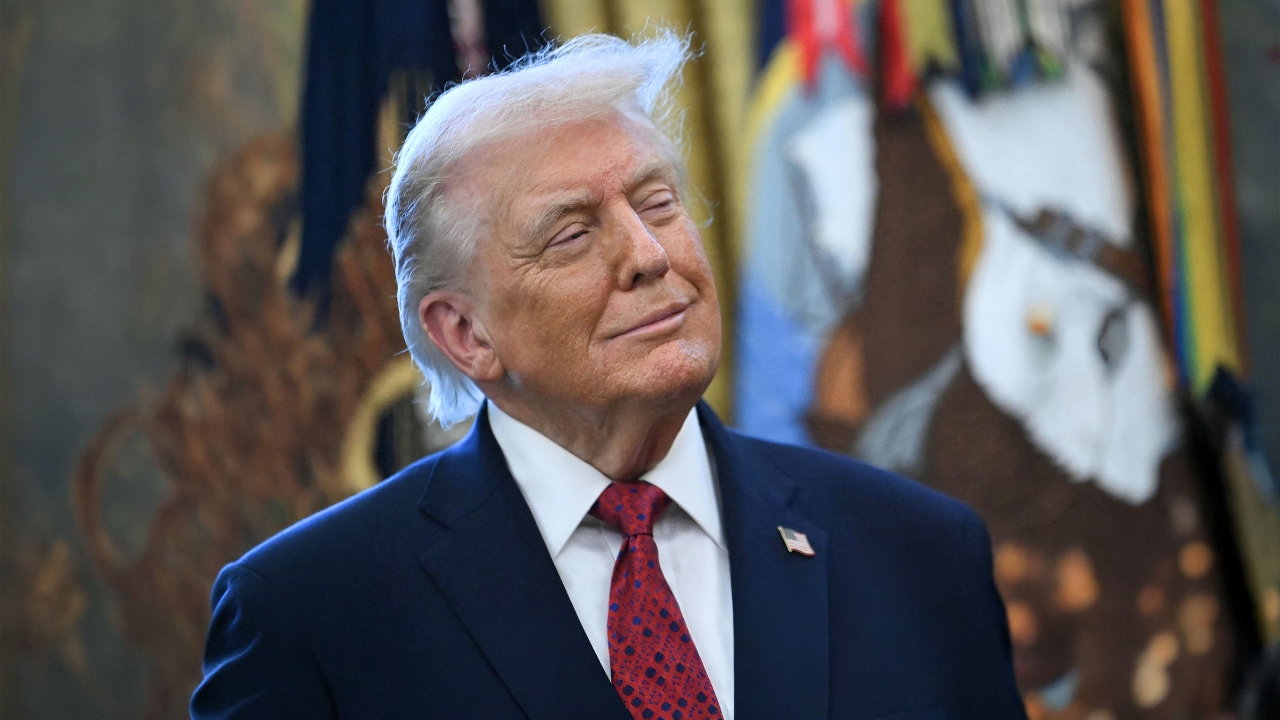
Trump’s classified-docs report won’t be released, Judge Cannon rules — critics call it a cover-up
Photo credit: Lucas Parker/Shutterstock.com
A federal judge in Florida has permanently blocked the Justice Department from releasing former special counsel Jack Smith’s report on the classified-documents case against President Donald Trump, a ruling that immediately set off outrage from transparency groups and Trump critics who argue the public is being denied the factual record in one of the most serious investigations ever brought against a former president.
What Cannon actually did
U.S. District Judge Aileen Cannon issued an order that bars the DOJ from “releasing, distributing, conveying, or sharing” Volume II of Smith’s final report (or drafts of it) outside the Department of Justice.
That matters because Volume II is the portion tied to the Mar-a-Lago classified documents investigation — the case that accused Trump of illegally retaining national defense information and obstructing efforts to retrieve it.
Cannon’s stated rationale: releasing the report would be unfair to Trump and his former co-defendants (including Walt Nauta and Carlos De Oliveira) because there was no trial and no “adjudication of guilt.” She also cited grand jury secrecy concerns and framed public release as risking “irreparable harm” to defendants who remain legally presumed innocent.
Why people are outraged
The anger is less about the report existing and more about it being sealed forever.
- Transparency vs. permanent suppression: Watchdogs and First Amendment groups argue the public has an unusually strong interest in seeing what the government uncovered in a national security case involving a sitting president and alleged mishandling of classified material. The Knight First Amendment Institute called the continued suppression impossible to square with the First Amendment and common-law access principles, and the group is already pursuing appellate options.
- The “Cannon pattern” controversy: Cannon is a Trump appointee who previously dismissed the indictment after concluding Smith’s appointment was unlawful. To critics, permanently blocking release looks like another ruling that shields Trump from scrutiny even after the criminal case evaporated. To Trump allies, it’s protection against what they call an unconstitutional prosecution and a one-sided narrative being published without a jury verdict.
- Mueller/Hur comparisons: Special counsel reports have historically been made public in some form, and people point to that precedent as proof the public-interest argument is real. Cannon’s response was essentially: those situations don’t match this one — because this case ended without a trial and because she views the special counsel’s work as legally tainted.
What happens next
Reporting indicates appeals are still in play, with media and transparency groups continuing to press for disclosure. For now, Cannon’s order blocks public release — meaning the public may not see the report’s conclusions unless higher courts reverse the ruling or another legal pathway forces disclosure.


