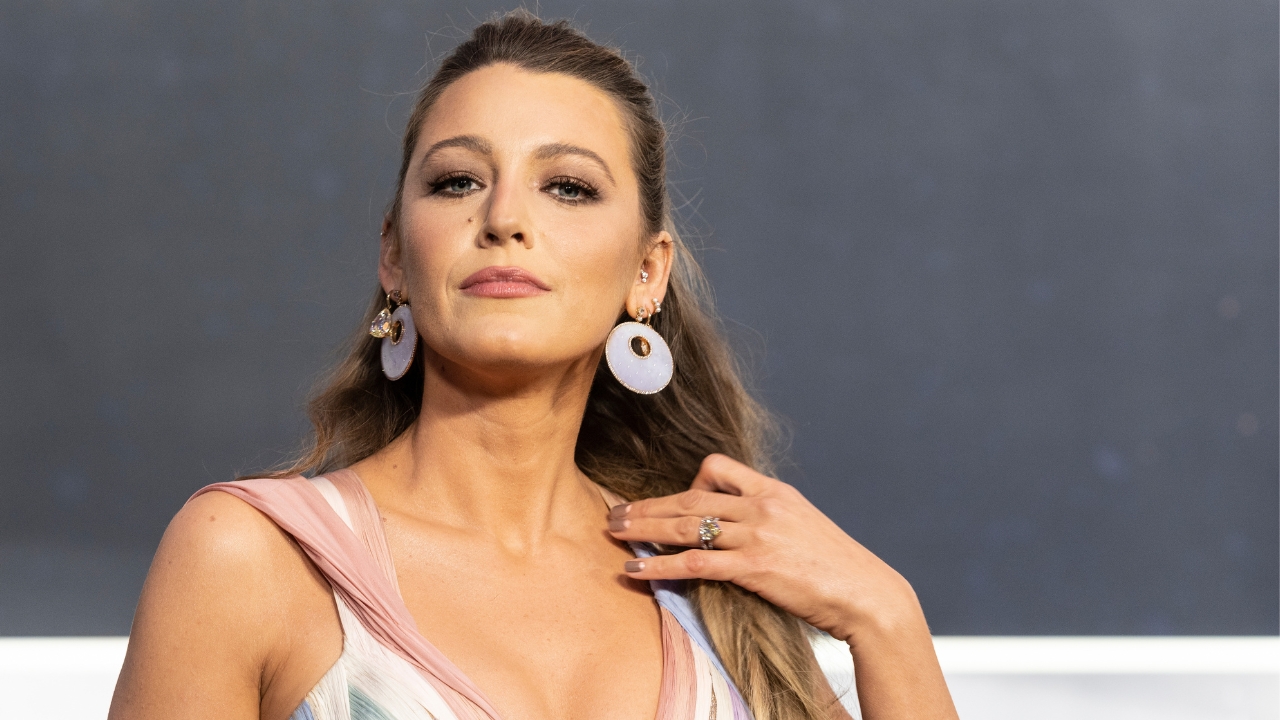
The latest turn in Blake Lively’s legal fight heads toward court
Photo credit: lev radin/Shutterstock.com
Blake Lively and “It Ends With Us” director and co-star Justin Baldoni left a Manhattan federal courthouse this week with their high-profile legal dispute still unresolved after a court-ordered settlement conference failed to produce a deal, pushing the case closer to a scheduled spring trial.
The closed-door session, overseen by U.S. Magistrate Judge Sarah L. Cave, lasted roughly six hours and ended without an agreement, according to reporting on the hearing and subsequent comments from Baldoni’s attorney. Neither Lively nor Baldoni publicly addressed reporters as they departed.
The latest development matters because the settlement conference was a court-mandated attempt to resolve the case before it reaches a jury. With no deal in place, both sides are now on track for a trial currently scheduled for May 18 in New York, a date that has become the central waypoint in a feud that has been playing out in court filings and headlines for more than a year.
Lively’s lawsuit alleges that Baldoni sexually harassed her during production of the 2024 romantic drama and that he and a crisis communications specialist later defamed her and damaged her reputation after she raised concerns about his on-set behavior. Baldoni has denied the allegations.
Baldoni and his production company previously fired back with their own claims against Lively and her husband, actor Ryan Reynolds, accusing them of defamation and extortion, according to coverage of the dispute. That countersuit was dismissed in June, narrowing the case back toward Lively’s original claims and the question of whether the statements and alleged conduct meet legal standards for liability.
The case has also attracted attention because of the celebrity orbit around the two stars. Reporting has noted that a large roster of potential witnesses has been identified in the litigation, with names from the broader entertainment world appearing in filings as possible testimony targets if the dispute reaches trial.
For now, the public record reflects two things: the parties’ sharply competing versions of what happened during and after the film’s production, and a legal calendar that is tightening. The unsuccessful settlement conference signals that, absent a late-stage agreement, the next “turn” is likely to be procedural — motions, discovery disputes, and witness wrangling — as both sides prepare for a courtroom fight that neither has shown signs of backing away from.