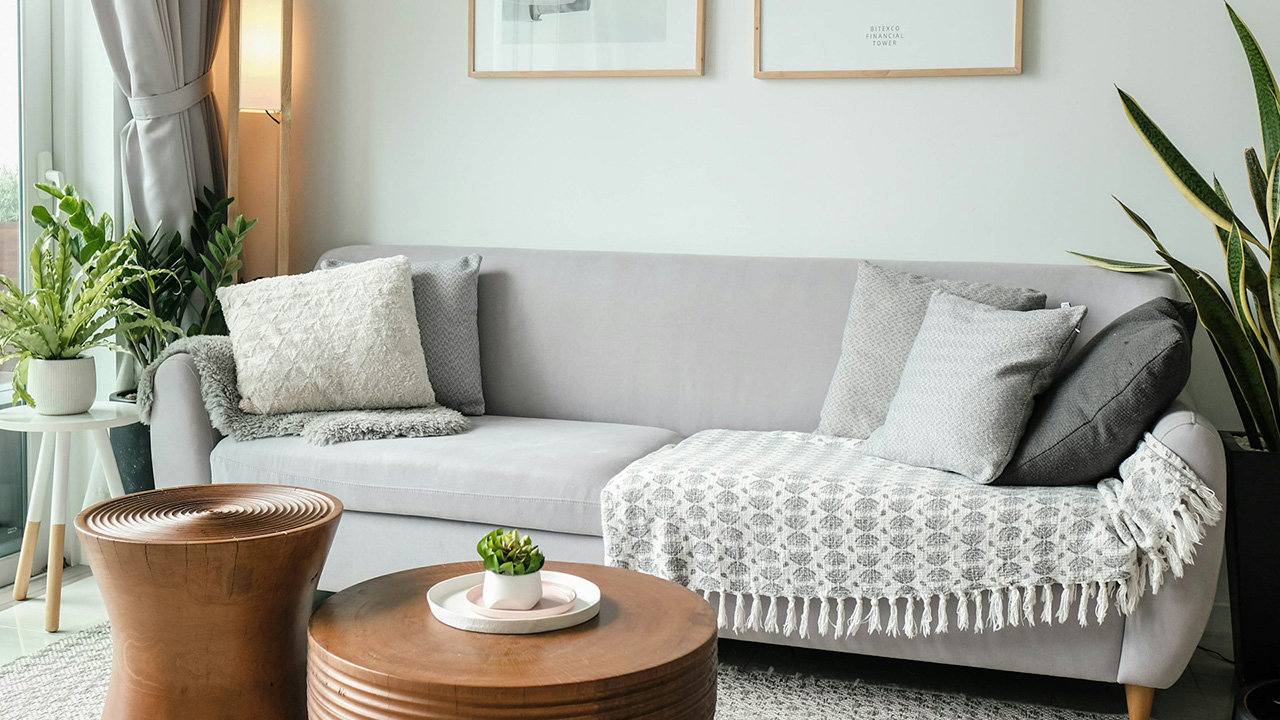
The cozy home trend that took over 2025 and why it’s sticking
Photo credit: Minh Pham/Unsplash.com
The coziest homes of 2025 did not look like showrooms. They looked like places where you could drop your bag, kick off your shoes, and actually exhale, with warm colors, forgiving fabrics, and corners designed for lingering. What started as a reaction to years of stark minimalism has turned into a full-scale shift toward comfort, and the details that defined this year’s “cozy home” movement are poised to shape interiors well beyond 2025.
Instead of chasing fast trends, you are now encouraged to build rooms that feel emotionally grounding, from the paint on the walls to the way your sofa curves around a conversation. The result is a style that is less about perfection and more about how your home supports daily life, which is exactly why this cozy wave is not fading anytime soon.
The emotional pivot: why “cozy” became the new status symbol
The biggest story in interiors this year was not a single color or furniture silhouette, it was a mood. After years of cool, gallery-like spaces, design chatter in 2025 centered on warmth, personality, and emotional resonance, with rooms that feel “deeply, unmistakably human” becoming the new aspiration rather than pristine, anonymous luxury. That shift reflects how you now measure status at home, not by how untouched a room looks, but by how clearly it reflects a life well lived, from layered textiles to shelves that actually hold your favorite books and objects.
That emotional turn showed up in the language people used to describe their dream spaces, with “cozy,” “inviting,” and “lived in” replacing “sleek” and “minimal” as the most coveted descriptors. Reporting on Design trends highlighted how this move toward human-centered rooms was a direct response to the emotional fatigue of overly curated spaces, and it is why the cozy home is likely to endure: it is built around how you want to feel, not just how a room photographs.
From quiet luxury to nostalgia: how comfort became aspirational
Cozy design in 2025 did not mean cluttered or dowdy, it often overlapped with the rise of “quiet luxury,” where you lean into tactile fabrics, tailored upholstery, and heirloom-quality pieces that whisper comfort instead of shouting for attention. Home shoppers gravitated toward spaces that felt nostalgic and reassuring, with details like traditional millwork, soft lampshades, and classic silhouettes that echo the houses many people grew up in. That nostalgia was not about copying the past, it was about borrowing the emotional safety of it and translating that into updated, functional rooms.
Real estate and design analysts noted that Homeowners Are Looking For This kind of “Nostalgic Thing In” their spaces, with listings that highlight reading nooks, fireplaces, and traditional details performing especially well, According To Zillow. When “What” buyers want is a home that already feels like a memory, you can see why cozy finishes and layouts are not a passing fad but a new baseline for what makes a property desirable.
Warm color stories: earth tones, Sky Blue, and colour drenching
Color did a lot of the heavy lifting for coziness this year. After a long run of cool grays and stark white walls, you saw a decisive Return of Earth Tones, with brown, terracotta, and olive emerging as the go to palette for anyone craving a grounded, cocooning atmosphere. Designers pointed out that these hues are not just nostalgic, they are psychological, helping you feel rooted and calm in a way that crisp monochrome rarely can, which is why they showed up on everything from walls to upholstery and even kitchen cabinetry.
At the same time, softer shades like Sky Blue quietly surged, with interior colour trends spotlighting how Sky tones can bring a sense of calm and lightness to bedrooms and living rooms without sacrificing warmth. Some designers pushed the look further with colour drenching, a technique where you wrap a room in a single shade across walls, trim, and sometimes ceilings to create an enveloping effect that deepens texture and mood. After gaining popularity in 2024, Colour drenching in 2025 became a favorite way to make even small rooms feel intentional and cozy rather than cramped.
Cozy minimalism and the evolution of Minimalism
If you still love clean lines and open space, you did not have to abandon minimalism to join the cozy movement. Instead, minimalism itself evolved, trading stark white boxes for warmer, more forgiving rooms that prioritize comfort as much as clarity. In this new version, you keep surfaces relatively clear and forms simple, but you swap cold finishes for natural wood, textured fabrics, and a few well chosen personal objects that soften the edges.
Designers framed this shift as Cozy Minimalism, a style that lets you enjoy the calm of a pared back home without feeling like you live in a showroom. Guides on New Home Trends explained that Cozy Minimalism is all about balance, where restraint in how much you own is paired with generosity in how soft, tactile, and inviting each piece feels. At the same time, flooring and finish experts noted that Minimalism is evolving toward warmer tones and materials so your home delivers comfort as well as clarity, which is exactly why this look is likely to age gracefully.
Shapes that hug you: rounded furniture, alcoves, and covecore
Form mattered just as much as color in making 2025 interiors feel like a soft landing. Hard edged sofas and razor sharp coffee tables gave way to rounded furniture forms, with curved sectionals, pillowy armchairs, and even fluted wall coverings creating a sense of flow instead of rigidity. When your seating literally wraps around you, conversation feels easier and rooms feel more relaxed, which is why these silhouettes showed up in both compact apartments and sprawling family rooms.
Architecture followed suit with a surge of alcoves, window seats, and built in benches that carve out intimate pockets inside open plans. At Apartment Therapy, editors dubbed this movement “covecore,” noting that At Apartment Therapy the rise of Alcove Architecture, from reading niches to recessed shelves for spices and other cooking essentials, is one of the home trends from 2025 that is here to stay. Broader round ups of 2025 design ideas also highlighted how Launch features like English Style details and rounded furniture forms help soften rooms visually, reinforcing the sense that your home is meant to hold you, not impress you from a distance.
Living rooms built for lingering: textiles, layouts, and artful comfort
The living room became the unofficial headquarters of the cozy home trend, evolving from a formal showpiece into a genuinely multifunctional retreat. You saw more generous sectionals, deeper seat cushions, and layered textiles like wool throws, linen slipcovers, and plush rugs that invite you to stretch out for a movie night or work from the sofa without feeling out of place. The best spaces managed to be both stylish and deeply relaxing, with art and objects that tell a story rather than fill a quota.
Trend reports on Living Room Trends emphasized how Creating a Cozy, Stylish, and Artful Home now means mixing Vintage & Retro pieces with Modern Comfort so the room feels collected rather than staged. Comfort driven furniture that offers a welcoming ambiance, along with layouts that prioritize conversation zones over TV centric arrangements, are expected to remain popular because they support how you actually live. Broader 2025 design rundowns echoed this, noting that See Warm, Earthy Colo palettes, layered textures, and sculptural yet comfortable seating are the ideas pros cannot stop talking about.
Cozy, but make it modern: blending sleek lines with softness
For many homeowners, the challenge in 2025 was not choosing between cozy and modern, but figuring out how to combine them. The answer has been to keep the clean architecture and streamlined cabinetry you love, then layer in warmth through color, textiles, and lighting. That might mean a low profile sofa in a nubby fabric, a minimalist kitchen softened with wood stools and warm metal hardware, or a sleek bedroom anchored by a deeply textured rug and linen bedding.
Design guides on How to Create a Cozy Yet Modern Living Space explained that Modern interiors in 2025 are all about balancing sleek style with comfort so you can enjoy family time in style without sacrificing function. That same balance shows up in broader 2025 forecasts, where New reports on The Defining Interior Design Trends of the year highlight Warm and Earthy Colors bringing Comfort in Every Corner, often paired with sage green and soft blues that keep spaces feeling fresh rather than heavy. When you combine those palettes with simple silhouettes, you get rooms that feel current now and adaptable later.
Sustainability, biophilia, and the ethics of feeling good at home
The cozy home trend is not just about aesthetics, it is also intertwined with how you think about sustainability and wellbeing. As you invest in fewer but better pieces, there is more emphasis on natural materials, durable craftsmanship, and designs that will age well instead of ending up on the curb in a few years. That mindset aligns with Sustainable and Eco, Friendly Design Trends that prioritize recycled materials, energy efficient fixtures, and low impact finishes while still maintaining high end design standards.
Nature played a starring role too, with biophilic design continuing to thrive as you bring plants, natural light, and organic textures into your rooms to boost mood and connection to the outdoors. Round ups of Must, Know Interior Design Trends That Have Defined Our Homes noted that biophilic elements are no longer a niche choice but a core part of how people design for wellbeing. Broader 2025 previews on The Interior Design Trends for What to Expect also underscored that Sustainability is no longer optional, it is a baseline expectation, which dovetails neatly with the cozy movement’s focus on long lasting comfort rather than disposable decor.
What is out, what is staying, and how to future proof your cozy home
As comfort moved to the center of the conversation, some once dominant trends quietly slipped out of favor. Designers signaled that overly staged rooms, harsh all white palettes, and one note accent walls are losing ground to layered, lived in spaces. Commentators even called out viral looks like Intentional Clutter, where Art dealers Patricia Ortiz Monasterio and others stacked objects to the ceiling, as examples of trends that burned bright on social media but are already being reconsidered in favor of more thoughtful editing.
Round ups on Mar design ins and outs noted that the overall consensus is shifting toward homes with a cozy lived in feel, while separate coverage on Dec trends We are leaving behind highlighted Here are the four most viral interior looks of 2025, including Intentional Clutter, that are already on the wane. To future proof your own space, it makes sense to invest in elements that underpin comfort regardless of trend cycles, such as darker woods like walnut and mahogany that Nov reports say are part of a broader Sustainability movement, with Nov coverage noting that these richer finishes and a focus on Sustainability are among the interior design trends still chic for 2026.

Abbie Clark is the founder and editor of Now Rundown, covering the stories that hit households first—health, politics, insurance, home costs, scams, and the fine print people often learn too late.