“Republicans want to draft your sons and your daughters”? Here’s what’s actually happening
Photo credit: Jim Lambert/Shutterstock.com
WASHINGTON — A fresh round of political panic over a possible U.S. military draft erupted this weekend after former Rep. Marjorie Taylor Greene posted that “psycho Republicans” want to draft “your sons” and “your daughters,” tying that warning to White House comments about the possibility of U.S. ground troops in Iran. But the current facts show a much narrower reality: there is no active military draft in the United States, no announced plan to start one, and no formal administration proposal to draft both men and women.
The immediate trigger was a Fox News exchange in which White House press secretary Karoline Leavitt said ground troops in Iran were “not currently being considered,” but she did not rule them out entirely. President Donald Trump also said this weekend that U.S. ground troops in Iran were possible only “for a very good reason,” keeping the option alive without committing to it. Those comments fueled backlash from anti-intervention voices on the right, including Greene, who argued the administration was drifting toward a broader war than many Trump supporters expected.
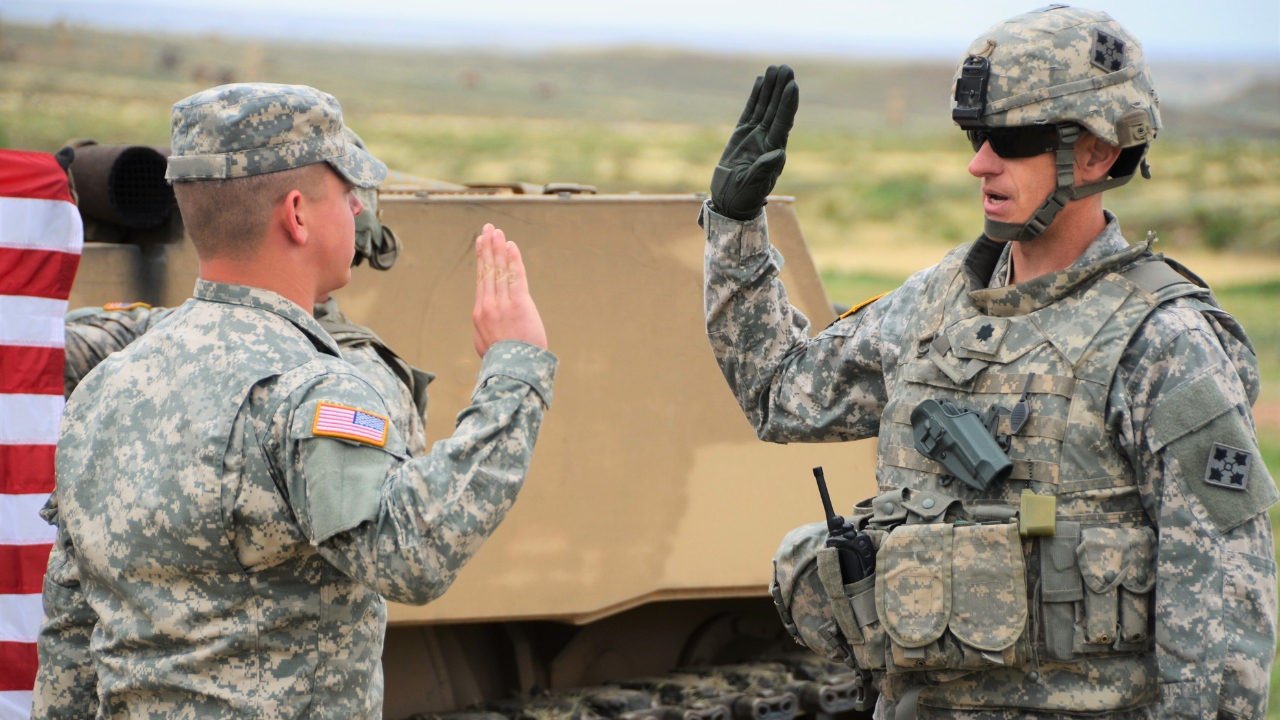
What those comments did not do was announce a draft. Under current U.S. law, the country operates an all-volunteer military. The Selective Service System still exists as a standby mechanism, but activating an actual draft would require action by both Congress and the president in a national emergency. The Selective Service System says registration itself does not mean someone will automatically be inducted, and AP previously reported that defense officials had made no recommendation to Congress or the president to bring back conscription.
The legal point that matters most here is this: under current law, nearly all male U.S. citizens and male immigrants ages 18 to 25 must register with Selective Service. Women do not currently have to register. The Selective Service System says Congress would have to change the law before women could be included in the draft registration system. That means Greene’s phrase about drafting both “sons and daughters” goes beyond what current law allows today.
There has been past debate in Washington over whether women should also be required to register. That question has surfaced repeatedly for years, often after all combat jobs were opened to women, and some bipartisan groups have argued the law should reflect that change. But those efforts have repeatedly stalled, and there is no indication in the current reporting reviewed here that Congress is on the verge of passing a new women-in-the-draft law right now.
The bigger issue behind the fear is the war itself. Trump’s administration has left open the possibility of deeper U.S. military involvement in Iran, even as the White House says ground troops are not currently under consideration. Congress has also been fighting over the president’s war powers: the House this week rejected a resolution that would have required Trump to seek congressional authorization for further military action against Iran, a sign that many Republicans are backing the administration’s posture even as some conservatives warn against another prolonged Middle East conflict.
So how likely is a draft, really? Based on the public record right now, the odds appear low. There is no active draft, no formal call from the Pentagon to reinstate one, and no public evidence that Congress is moving an emergency draft bill. The Defense Department has continued to describe the U.S. military as an all-volunteer force, and military leadership has said there are no plans to return to conscription. That does not make a draft impossible in some future extreme scenario, but it does mean the current online claims are running well ahead of the known facts.
As for who wants it to happen, the answer is more limited than viral posts suggest. The sources reviewed here show some hawkish Republicans and conservative commentators pushing for a harder line on Iran or refusing to rule out ground troops. But that is not the same as publicly calling for a draft. In the current reporting, the clearer push is for military escalation options to remain available — not for the government to start forcibly conscripting young Americans.
For readers trying to separate fear from fact, the cleanest takeaway is this: the U.S. is not currently drafting anyone, daughters are not included under current law, and a real draft would require additional legal and political steps that have not happened. The online argument is being driven by anxiety over possible war expansion, not by an announced federal conscription order.