Pelosi claims Trump’s SAVE Act would block more Americans than non-citizens — and critics notice replies are locked
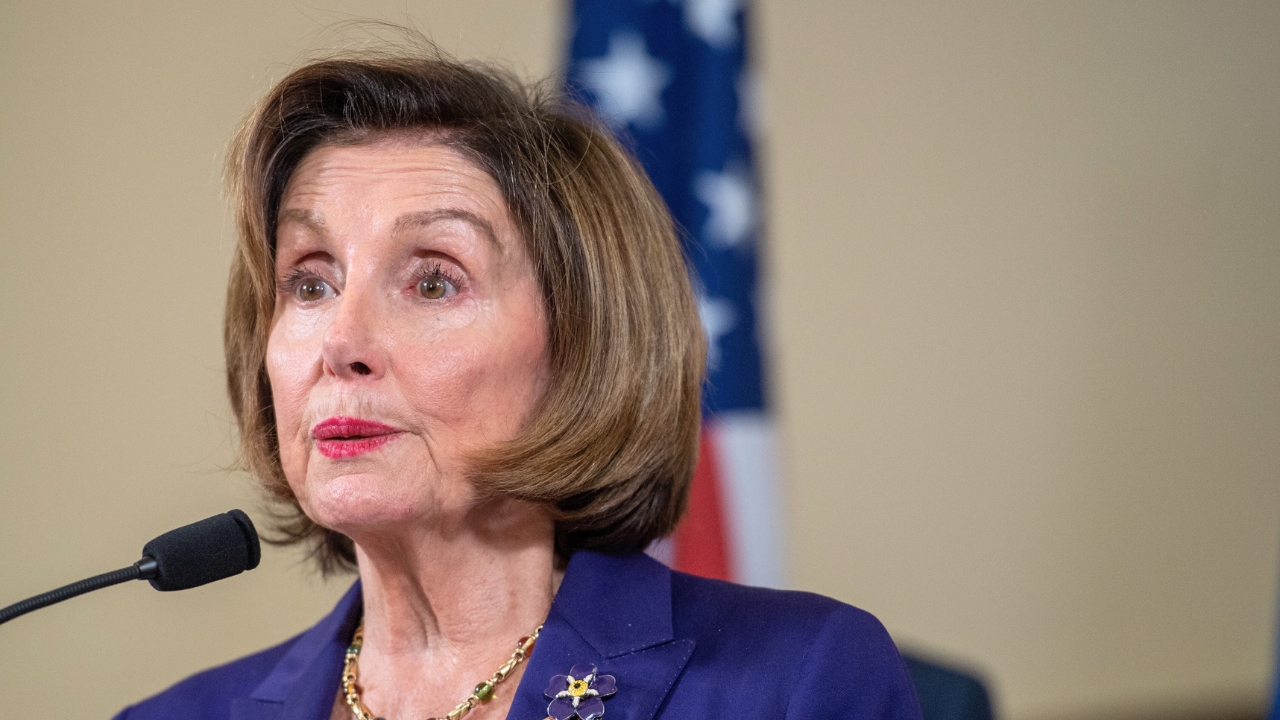
Photo credit: Asatur Yesayants/Shutterstock.com
Former House Speaker Nancy Pelosi is drawing fresh heat online after accusing Republicans and President Donald Trump of backing an election bill that, in her words, would stop more U.S. citizens from voting than non-citizens.
In a post on X, Pelosi blasted the “so-called SAVE Act,” saying it “claims to be about election security” but would require “PASSPORTS and documents MILLIONS OF CITIZENS lack,” arguing it would disproportionately hit “women, seniors, [and] rural voters.” She also claimed there’s “no proof of significant non-citizen voting,” but “hard evidence” the proposal would “BLOCK AMERICANS FROM VOTING.”
The post quickly spread — partly because it landed in the middle of a live fight on Capitol Hill over the bill, and partly because people noticed something else: Pelosi’s account had limited who could reply, leaving only a couple visible comments while the broader argument moved to quote-posts and other threads.
What the SAVE Act is — and what’s actually in it
The legislation at the center of the blowup is the Safeguard American Voter Eligibility (SAVE) Act (often referenced alongside the “SAVE America Act” branding in recent coverage). The basic pitch from Republicans: tighten federal election rules so that only U.S. citizens can register and vote. Supporters argue current safeguards rely too heavily on attestations and inconsistent state processes.
Nonpartisan and voting-rights groups say the bill would create new barriers by requiring documentary proof of citizenship at registration, which can be a real hurdle for eligible voters who don’t have ready access to documents like a passport or birth certificate — especially older Americans, people who’ve changed their names, and voters in rural areas with fewer access points for vital records.
One important wrinkle: analyses note the bill has changed through the House process. The Brennan Center reported an earlier version included a provision that would have required certain documents at the polls every time someone votes, but that section was later amended and the bill instead leaned into other mechanisms such as voter-roll checks and stricter photo ID rules tied to federal elections.
Pelosi’s criticism comes as Republicans have been pushing the proposal hard in the early part of the 2026 cycle, framing it as a clean “election integrity” move ahead of the midterms. The House passed a version of the bill in February 2026, and reporting at the time described it as headed for a tough path in the Senate, where it would likely need 60 votes to clear a filibuster.
That’s the backdrop for Pelosi’s “more Americans than non-citizens” line: Democrats are trying to define the bill as voter suppression before it becomes a midterm message weapon, while Republicans are trying to define opposition as being soft on eligibility enforcement.