Neighbor Keeps Calling Police Over Ordinary Yard Activity
Photo credit: Kali9/istock.com
A homeowner said a frustrating neighbor dispute turned into a pattern of police calls after the neighbor repeatedly reported ordinary activity at the house.
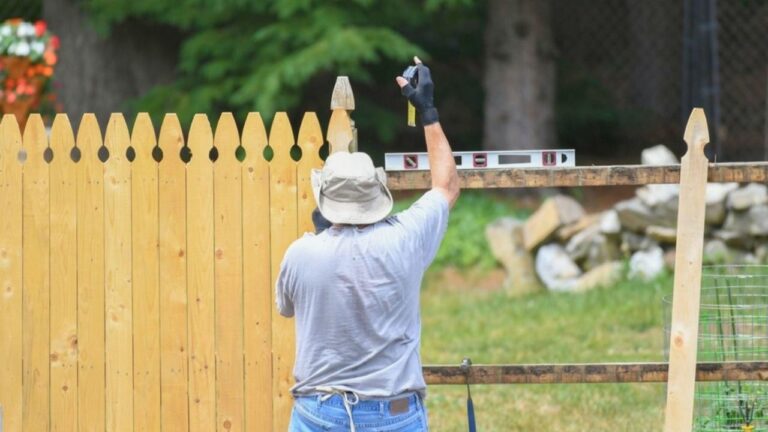
The homeowner shared the situation in a post on r/legaladvice, explaining that the neighbor had been calling police on their home more than once. The issue was not a single loud party, a dangerous threat, or a clear emergency. According to the homeowner, the police calls were being made over regular activity around the house, including people being outside and using the yard.
At first, something like that can sound more annoying than serious. A difficult neighbor calls the cops, police show up, everyone explains, and the officers leave. But when it keeps happening, the pressure changes. The homeowner is no longer dealing with one awkward visit from police. They are dealing with a neighbor who can turn normal home life into an official call whenever they feel like it.
That is what made the situation feel bigger than a petty complaint.
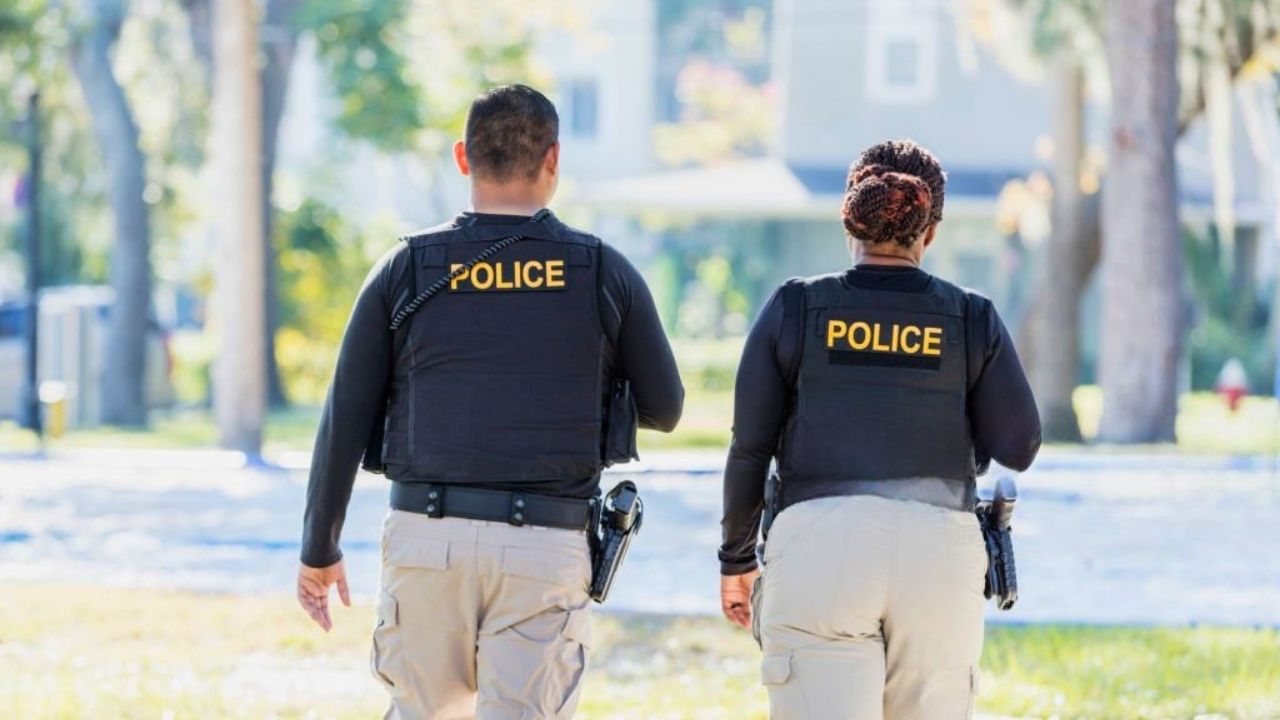
The homeowner said police had already come out several times. From their perspective, they were not doing anything wrong, but the repeated calls were creating stress and uncertainty. It is hard to relax in your own yard when you start wondering whether a neighbor is watching, waiting, and ready to call police again.
The homeowner wanted to know what they could do legally. They were not asking how to get revenge or start a bigger feud. They wanted to know if repeated police calls could become harassment and what steps they could take if the neighbor kept using law enforcement as a tool in a neighborhood dispute.
That question matters because police visits are not harmless for everyone. Even if officers leave after a brief conversation, there is still the embarrassment of patrol cars showing up, the worry about records, and the fear that one misunderstanding could become something bigger. A neighbor may see it as “just calling it in,” but the person on the receiving end has to deal with the consequences.
The homeowner’s post captured the exhausting part of these disputes: there is no easy escape when the person causing the problem lives nearby. You can ignore a rude comment. You can avoid a store. You can block a number. But you cannot stop going home.
A neighbor who repeatedly calls police can make home feel watched and unstable. Every normal noise, visitor, repair, outdoor conversation, or yard project can start to feel like something that might be used against you.
That is why the homeowner wanted to know where the line was. One call might be annoying. A second could be frustrating. But repeated calls over ordinary activity begin to look less like concern and more like a pattern.
The issue was not only what the neighbor believed. It was how the neighbor was responding. Instead of talking directly or letting minor things go, they were allegedly bringing police into the situation again and again.
For the homeowner, the result was a house that no longer felt fully peaceful. The neighbor’s behavior had turned ordinary life into something that might need a legal paper trail.
Commenters Told the Homeowner to Start Documenting Every Call
Commenters told the homeowner that the most important step was documentation. They advised keeping a written log of every police visit, including the date, time, reason given, responding officers if known, and what the officers said before leaving.
Several people said the homeowner should ask police for incident numbers or report numbers each time officers came out. Even if no formal report was created, commenters suggested calling the nonemergency line afterward and asking whether the call could be noted or documented.
That mattered because a harassment claim is usually harder to make without a pattern. One or two calls may not be enough. But repeated calls with no valid basis could look different if the homeowner had dates, details, and officer responses showing the calls were unnecessary.
Some commenters suggested speaking calmly with the responding officers when they arrived and asking whether the department could note that the calls appeared to be part of an ongoing neighbor issue. Others said the homeowner could contact a police supervisor or community liaison if the calls continued and explain that they believed police resources were being used to harass them.
There was also advice to avoid direct confrontation with the neighbor. Several commenters warned that arguing at the property line could give the neighbor more material to report. Instead, they said the homeowner should stay polite, stay boring, and keep records.
Some people suggested cameras, not to spy on the neighbor, but to protect the homeowner’s side of the story. If police were called over noise, trespassing claims, threats, or other alleged behavior, footage could help show what was actually happening.
Others pointed out that police may eventually become frustrated with repeated baseless calls too. If officers keep responding and finding no issue, that may help the homeowner later. But commenters warned that the homeowner should not assume the pattern will fix itself. They needed to make sure the pattern was documented.
The post did not end with a dramatic confrontation or legal order. It ended in the uncomfortable middle of a neighborhood problem, where the homeowner was trying to figure out how to stop being treated like a police matter inside their own home.
That is what made the story feel familiar. Plenty of neighbor fights start small. A noise complaint. A parking complaint. A dog complaint. A disagreement about outdoor activity. But once someone starts calling police repeatedly, the relationship shifts from annoying to serious.
For the homeowner, the police calls were not only inconvenient. They created a record of conflict and a sense that their normal routine could be interrupted at any time.
Commenters did not promise an easy solution. They told the homeowner to keep a log, get call numbers, avoid direct arguments, consider cameras, and escalate calmly within the police department if the calls kept happening.
The strongest advice was to treat every police visit as part of a larger timeline. Not because the homeowner needed to panic, but because repeated baseless calls can be hard to prove if no one writes anything down.
If the neighbor kept calling, the homeowner would need more than frustration. They would need dates, details, and records showing that ordinary yard activity had been turned into a recurring police complaint.

Abbie Clark is the founder and editor of Now Rundown, covering the stories that hit households first—health, politics, insurance, home costs, scams, and the fine print people often learn too late.