Coworker Said Crocheting on Break Was Rude — Then Management Had to Step In
Photo credit: SeventyFour/Shutterstock.com
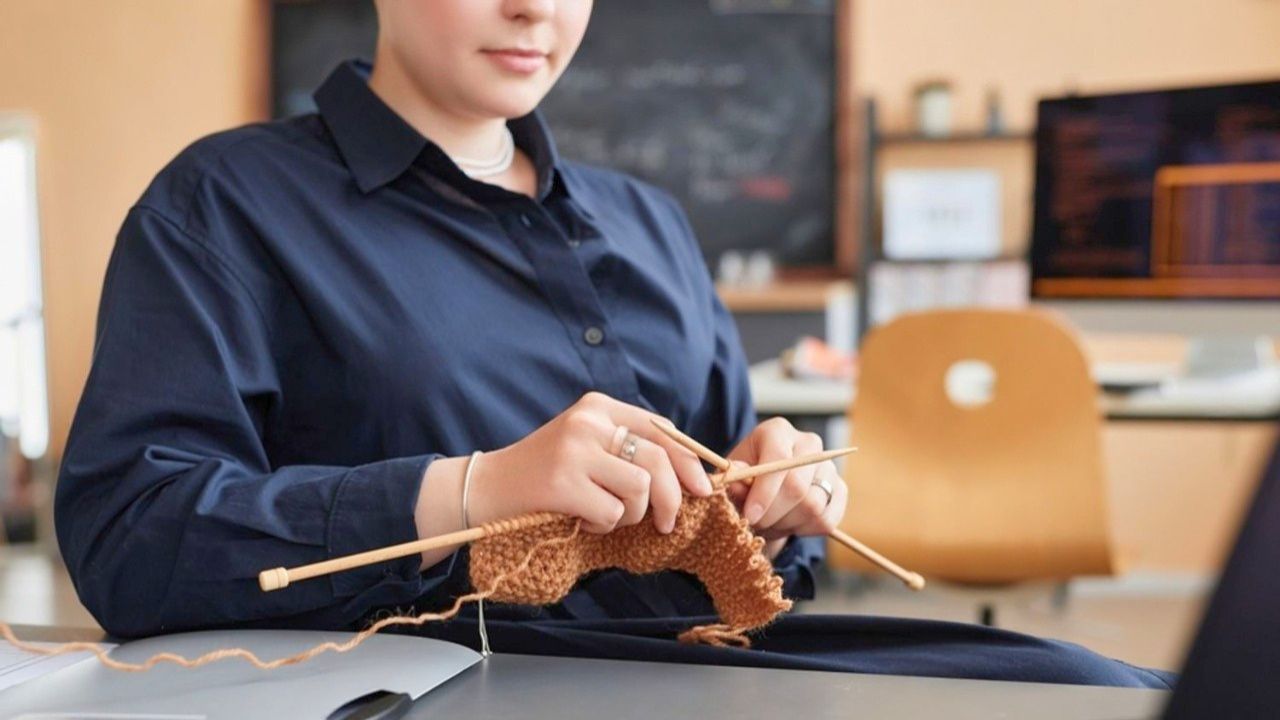
A 20-year-old worker who had recently picked crocheting back up said she was trying to use her breaks in the quietest way possible.
She had started bringing small crochet projects to work and only worked on them during lunch or rest breaks. Most of the time, the break room was not social anyway. People sat on their phones, watched videos, listened to things, or kept to themselves. She usually wore earphones while crocheting and listening to a podcast or video.
If someone wanted to talk, she said she would put the project down, take out her earphones, and have a conversation. She was not ignoring people who approached her. She was simply doing something with her hands during her own time.
Then an older coworker, “Mary,” came into the break room.
The poster said she smiled, said hello, and went back to crocheting. Mary sat down and used her phone. About 10 minutes later, Mary tapped her on the shoulder and told her it was rude to crochet while Mary was in the room.
The younger worker was confused.
Mary herself was usually on her phone in the break room, often watching videos without earphones so everyone could hear them. The poster apologized for any offense but said she was not going to stop crocheting on her lunch break simply because Mary happened to be there.
Mary got angry and complained to the manager.
According to the Reddit post, the manager told the worker she was technically allowed to crochet on breaks but should be “more aware” of how rude it could seem to other people. The answer did not really solve anything. It made the worker feel like she had done nothing wrong but was still being gently blamed so Mary would feel heard.
Some coworkers sided with her. Others seemed to understand Mary’s view, though the poster still could not figure out what exactly was rude about sitting quietly and crocheting. She was not taking up extra space, making noise, interrupting anyone, or bringing the hobby into work time.
That was the part that made the complaint feel so strange.
If someone sits on a phone during break, nobody usually treats that as a personal insult. If someone reads a book, scrolls social media, works a crossword, or listens to music, that is normally considered normal break-room behavior. Crocheting was quieter than most of those things. It just happened to be more visible.
Commenters were quick to tell her she was not wrong. Several pointed out that Mary had interrupted her personal time to police a harmless activity. Others said the manager should have shut the complaint down instead of implying the worker needed to manage Mary’s feelings about yarn.
The worker decided to raise the issue again with management.
In the update, she said she found her manager while higher-ups were present and explained her side of the story. She also said she wished the manager had handled it better the first time. The manager apologized, though the worker suspected the apology only happened because higher-ups were there.
Later that day, during lunch, the worker went back to the break room and crocheted like usual.
Mary walked in.
This time, something had clearly changed. The worker did not know whether the manager or higher-ups had spoken to Mary first, but Mary apologized to her. Before the worker left that day, Mary’s husband, who also worked at the same place as a groundskeeper, came over and apologized for his wife too.
The worker still did not know why Mary thought crocheting was rude, and she figured she might never get a real answer. But for the moment, the issue was settled. She planned to keep going above the manager if Mary tried anything similar again.
The whole argument came down to one very small boundary: a break is a break. Unless someone is being loud, disruptive, unsafe, or genuinely inappropriate, they should be allowed to spend that time in peace. Crocheting was not the problem. Mary’s need to control what someone else did during lunch was.
Commenters overwhelmingly sided with the worker. Many said crocheting was one of the least offensive things a person could do in a break room, especially compared with people watching loud videos on their phones.
A lot of readers thought Mary may have been bothered because crocheting looked “productive” or unusual, while phone use has become so common that nobody notices it. Others wondered if Mary simply wanted attention and did not like seeing someone quietly occupied.
Several commenters criticized the manager for trying to split the difference instead of telling Mary the complaint was unreasonable. They said managers often create bigger problems when they validate petty complaints just to avoid confrontation.
The strongest reaction was that personal time should stay personal. If the worker was on break, not bothering anyone, and willing to talk when spoken to, there was no reason she should have to put her crochet away just because Mary walked into the room.

Abbie Clark is the founder and editor of Now Rundown, covering the stories that hit households first—health, politics, insurance, home costs, scams, and the fine print people often learn too late.