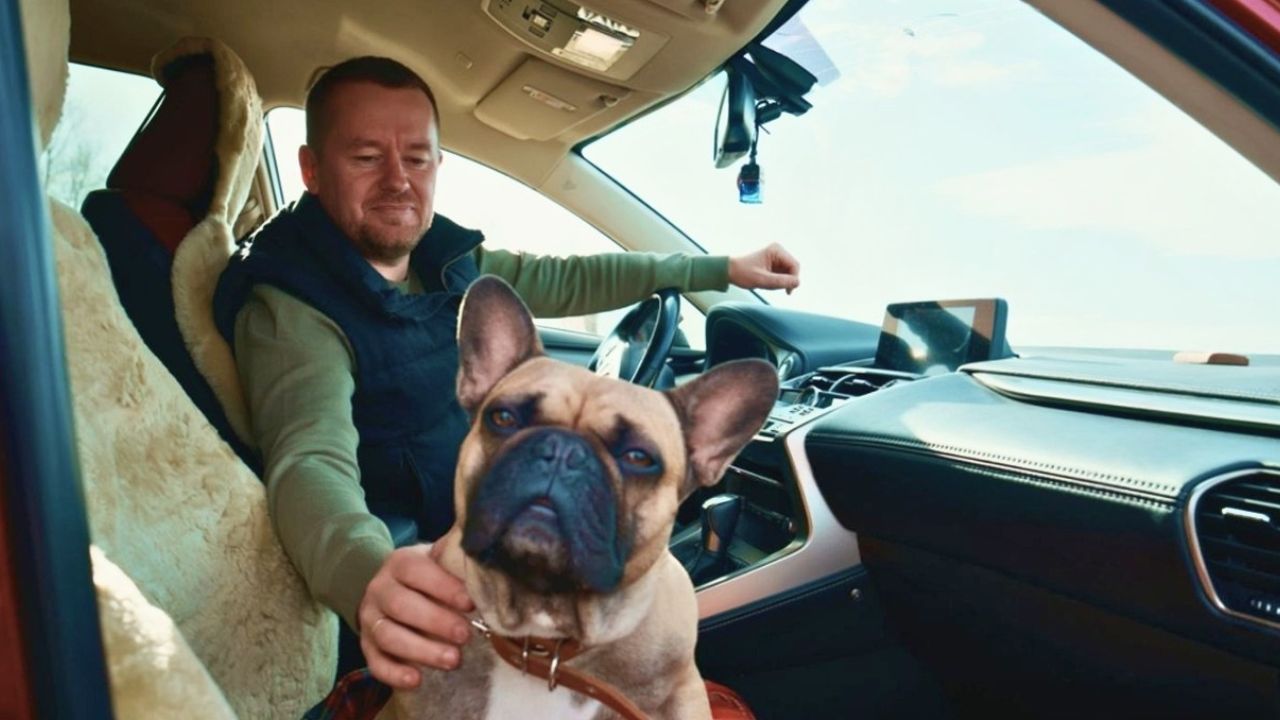
Man Says Neighbor Took Their Dog to the Pound Without Telling Them — Should He Push for a Police Report?
Photo credit: Borovik/shutterstock.com
A family said a neighbor dispute turned into a frightening missing-pet situation after the neighbor allegedly took their dog to the pound without telling them.
The family shared the situation in a post on r/legaladvice, explaining that their dog had ended up at the pound because of a neighbor’s actions. That is the kind of situation that can send a household into panic quickly. When a dog is suddenly gone, the first thoughts are usually the worst ones: Did the dog get hit? Did someone steal it? Did it run too far? Is it hurt? Is it trapped somewhere?
According to the post, the dog had not simply wandered away and been found by animal control. The neighbor allegedly took the dog to the pound and did not tell the owners.
That detail changed the whole situation. If someone finds a loose dog and is genuinely trying to help, there are usually ways to handle it: knock on nearby doors, check for tags, call the number on the collar, post in a neighborhood group, contact animal control, or at least let the owners know where the dog was taken. Taking the dog away and staying quiet can make the owners spend hours or days searching for a pet that could have been located with one basic conversation.
The family’s concern was not only emotional. A dog at the pound can create real consequences. There may be fees, holding periods, paperwork, vaccination requirements, risk of transfer, or even adoption rules depending on the location and how long the animal is held. If owners do not know where the dog is, they can lose precious time.
That is what made the neighbor’s alleged silence so upsetting. The neighbor did not just move the dog from one place to another. They controlled information the owners needed to get their pet back.
The family wanted to know what could be done. Should they file a police report? Report the neighbor for theft? Contact animal control? Demand reimbursement for fees? Could the neighbor legally take the dog to the pound? Did it matter whether the dog had been loose? What if the neighbor had done it out of spite rather than concern?
Those questions matter because lost-pet and animal-control situations can get legally messy. If a dog is loose, a person may be allowed to call animal control or bring it to a shelter. But taking someone’s pet and failing to notify them, especially if the neighbor knew who the dog belonged to, can make the situation look very different.
The post did not describe a random good Samaritan finding an unknown dog. It described a neighbor who allegedly knew enough to connect the dog to the family but still took it to the pound without telling them.
That is what made it feel less like help and more like escalation.
Commenters Told Them to Document the Dog’s Ownership and the Neighbor’s Role
Commenters generally told the family to start with proof and records.
Several people said they should gather documentation showing the dog belonged to them: adoption papers, vet records, microchip information, license records, photos, vaccination records, and any receipts connected to reclaiming the dog from the pound. If the situation became a police report or civil dispute, proof of ownership would matter.
Others said the family should get records from the pound or animal shelter. That could include who brought the dog in, when it was brought in, what information was given, whether the neighbor identified themselves, and what fees the owners had to pay to retrieve the dog.
Commenters also suggested filing a police report or at least calling the nonemergency line if the neighbor knowingly took the dog without notifying the owners. Even if police treated it as a civil or animal-control issue, a report could create a record if the neighbor did anything similar again.
Some commenters said the family could ask whether animal control had specific rules for found pets. If the neighbor followed the official process, that might affect what could be done. But if the neighbor concealed the dog’s location or gave misleading information, that would be more concerning.
There was also practical advice about preventing a repeat. Commenters suggested making sure the dog was microchipped, tags were current, gates and fences were secure, and any neighbor conflict was documented. If the neighbor had threatened to take the dog before, those messages would matter too.
The post did not end with a court ruling or a confirmed police action. It ended with a family trying to understand what options they had after a neighbor allegedly took their dog to the pound and left them in the dark.
That is what made the situation serious. This was not only a pet wandering off. It was a neighbor’s decision that could have kept the family from finding their dog in time.
Commenters did not tell them to treat it as a harmless favor. They told them to collect shelter records, prove ownership, document the neighbor’s involvement, and push for a police report if the neighbor knowingly withheld where the dog had been taken.
Because when a neighbor takes your dog to the pound without telling you, the issue is not only hurt feelings. It is whether someone used animal control as a weapon and put your pet at risk by keeping you from knowing where to look.

Abbie Clark is the founder and editor of Now Rundown, covering the stories that hit households first—health, politics, insurance, home costs, scams, and the fine print people often learn too late.