Neighbor Put a Trail Camera on the Driveway, Homeowner Says — And It Sends Alerts Every Time They Leave
Photo credit: GS23/Shutterstock.com
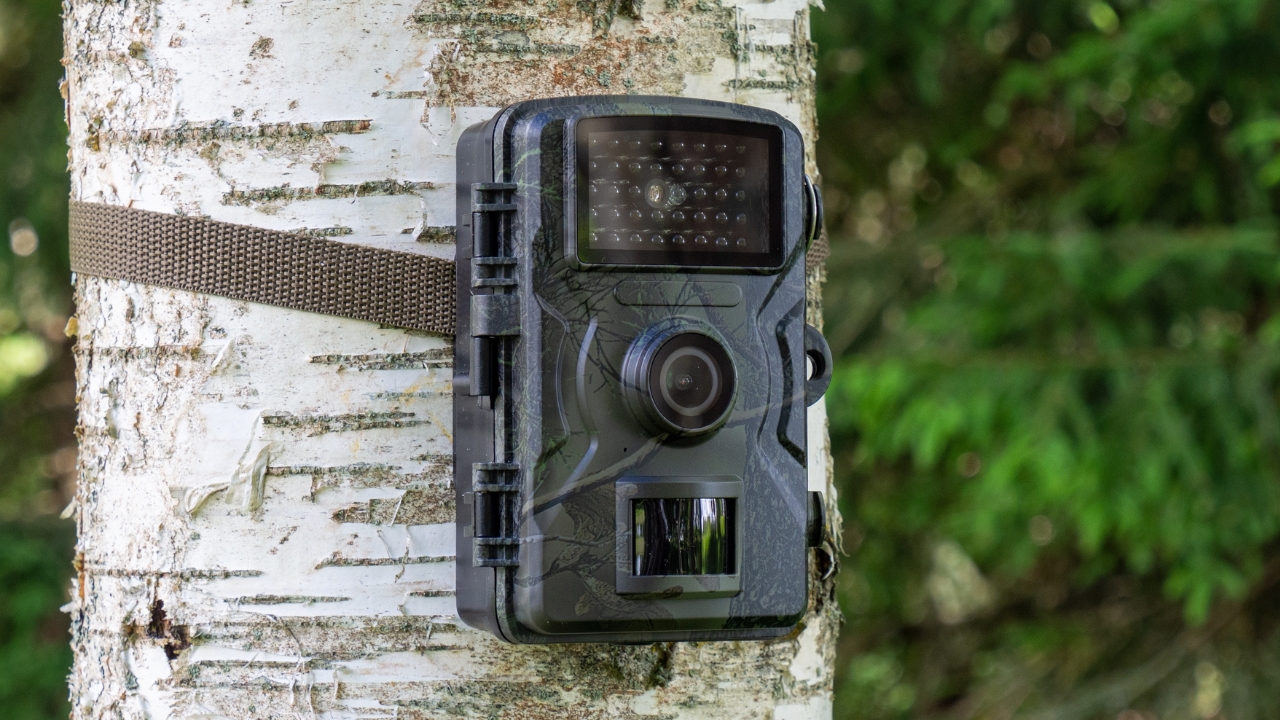
A homeowner said a neighbor’s trail camera turned into an unsettling privacy concern after it was aimed toward their driveway and appeared to alert the neighbor whenever the homeowner came and went.
The homeowner shared the situation in a post on r/legaladvice, explaining that the camera was not simply pointed at the neighbor’s own yard. According to the post, the trail camera was aimed toward the homeowner’s driveway, making it feel like the neighbor was monitoring their movements.
That kind of setup can be hard to live with. Security cameras have become normal around homes, barns, driveways, gates, and porches. A camera watching someone’s own property is usually expected. But when a neighbor’s camera appears to watch another household’s driveway, the feeling changes. Every trip to the mailbox, every grocery run, every visitor, every late-night arrival, and every time someone pulls out of the driveway can feel like it is being logged by someone next door.
The homeowner’s biggest concern seemed to be the alerts. They believed the neighbor may have been getting notifications whenever they left or returned. That made the camera feel less like passive recording and more like real-time surveillance.
That is what gave the situation its tension. A neighbor recording part of a driveway may already feel invasive. A neighbor being notified every time someone moves through that driveway feels more personal. It can make normal routines feel exposed, especially if there is already tension between the households.
The homeowner wanted to know whether the camera placement was legal and what they could do about it. Could they force the neighbor to move it? Was it harassment? Did the fact that it was aimed at their driveway matter? Were there privacy protections if the driveway was visible from the neighbor’s property or the road?
Those questions are not always easy to answer because outdoor privacy rules can be frustrating. In many places, people may be allowed to record what can be seen from their property, especially if it is in open view. But that does not mean the person being recorded feels comfortable with it, and it does not mean the camera cannot become part of a larger harassment pattern if the neighbor is using it to track, confront, or intimidate them.
The post did not describe the neighbor breaking in, stealing property, or making a direct threat. The concern was quieter than that. It was the feeling of being watched in a place that still felt connected to home.
A driveway may be outdoors, but it is also part of daily private life. People load children into cars there, carry packages inside, greet friends, leave for work, come home tired, and handle small personal routines without expecting a neighbor to be alerted every time.
That is why the homeowner’s concern did not sound like simple annoyance. It sounded like a person trying to figure out where ordinary security ends and targeted monitoring begins.
Commenters were careful about the difference between something feeling invasive and something being illegal.
Several people said that if the driveway was visible from the neighbor’s property or from a public area, the camera might be legal, even if it was uncomfortable. Outdoor areas that can be seen without trespassing often receive less privacy protection than the inside of a home, bathroom, bedroom, or fenced area shielded from view.
But commenters did not tell the homeowner to ignore it completely. They suggested documenting the camera’s placement, taking photos from the homeowner’s side, and keeping a record of any interactions with the neighbor connected to the camera. If the neighbor used the alerts to confront the homeowner, make comments about their schedule, or escalate a dispute, the camera could become part of a larger pattern.
Others suggested practical privacy fixes. Depending on the layout, the homeowner could use fencing, privacy screens, landscaping, or another barrier to block the camera’s view without touching the neighbor’s property. A physical screen may be more effective than trying to argue over the camera itself.
Some commenters warned the homeowner not to damage, block, or tamper with the trail camera if it was on the neighbor’s property. Even if the camera felt intrusive, interfering with someone else’s equipment could create a separate legal problem.
There was also advice to check local ordinances or speak with local law enforcement through a nonemergency line if the camera seemed to be part of harassment. Some towns or HOAs may have rules about camera placement, nuisance behavior, or structures near property lines, but commenters made clear that the answer would depend heavily on location.
The homeowner’s situation did not end with the camera being removed. It ended in the uncomfortable gray area that comes with modern home surveillance: a neighbor may be allowed to record more than you wish they could.
That was the frustrating part. The homeowner could feel watched and still not have a clear legal tool to stop it. The neighbor could claim it was for security, even if the angle made the homeowner feel monitored.
Commenters did not promise an easy fix. They told the homeowner to document the setup, avoid touching the camera, consider privacy barriers, and watch for any behavior that turned the camera from a passive device into part of a harassment pattern.
Because when a trail camera is aimed toward someone else’s driveway, the question is not only what the law allows. It is how much of everyday life a neighbor can quietly track before the person being watched decides they need to push back.

Abbie Clark is the founder and editor of Now Rundown, covering the stories that hit households first—health, politics, insurance, home costs, scams, and the fine print people often learn too late.