Package From Exotic Pet Store Arrived With Their Name Misspelled — Man Suspected a Fraud Trail
Photo credit: Svetikd/istock.com
A Reddit user said an unexpected package from an exotic pet store showed up at their home with their name misspelled, leaving them unsure whether it was a harmless shipping mistake or part of a scam using their personal information.
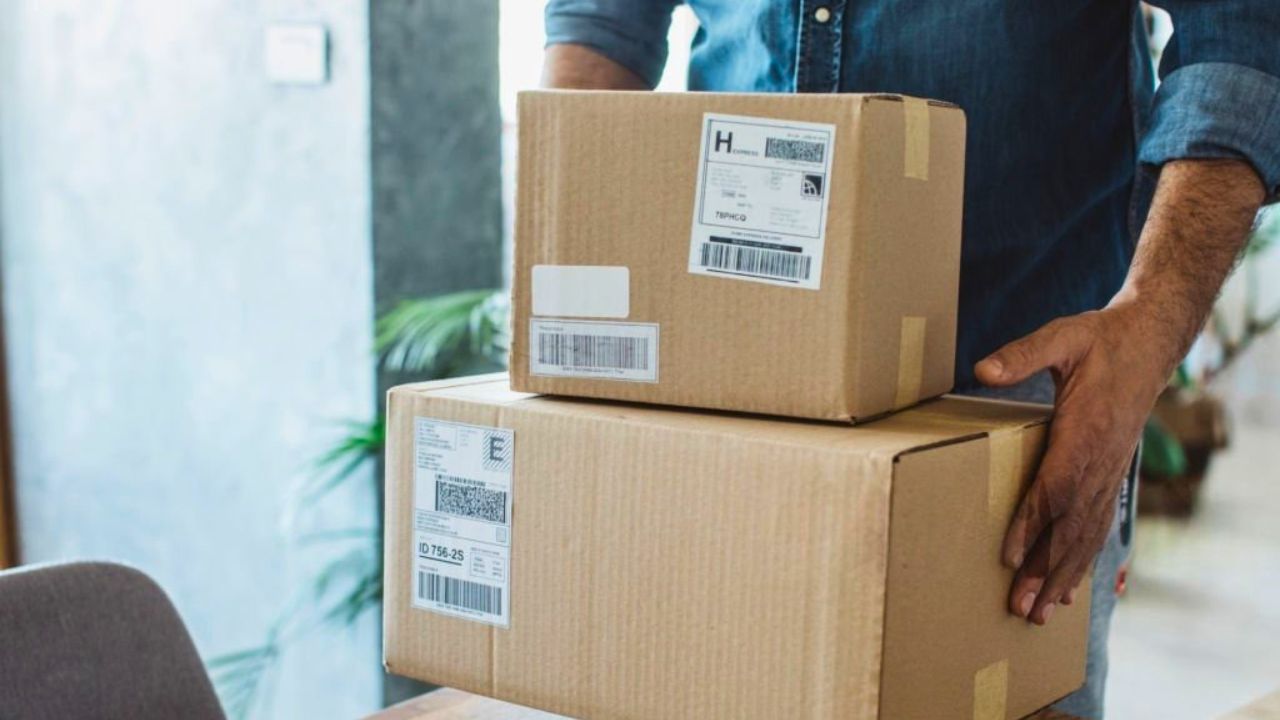
The user shared the situation in a post on r/Scams, explaining that they received a package they had not ordered. The package was strange enough on its own because it came from an exotic pet store, but the detail that made it feel more suspicious was the name. It appeared to be their name, but spelled incorrectly.
That kind of mistake can point in a few different directions. It could be a typo from a legitimate order. It could be a package meant for someone else with a similar name. Or it could mean someone had used part of the user’s information while setting up an order, account, or fake transaction.
The user did not describe ordering anything from the business. They did not seem to know why the store had their address. The package had simply arrived, and now they were left trying to figure out what kind of problem had landed on their doorstep.
Unexpected packages can be tricky because they do not always come with an obvious next step. If the item is addressed to your home, it feels like you are involved somehow, even if you did nothing. If your name is on it, even misspelled, it raises the possibility that your information is floating around somewhere. And when the sender is a niche business like an exotic pet store, the whole thing feels even stranger.
The user’s concern was not only about the package itself. They wanted to understand whether this could be tied to a larger fraud attempt.
A scam involving random shipments can work a few ways. Sometimes companies or third-party sellers send cheap or unusual items to real addresses so they can create fake “verified” orders and reviews. That is often called a brushing scam. Other times, scammers use stolen payment information to send merchandise somewhere, then try to retrieve it later. There are also cases where a wrong or partial name is used because the scammer has incomplete information, or because the order was created from a messy data list.
The misspelled name made the user wonder whether their identity had been used incorrectly rather than fully stolen. That may sound less serious, but it still feels invasive. Someone had enough information to send something to their home, but not enough to get the name exactly right.
The package also created a practical problem: what should they do with it?
Keeping it felt odd. Returning it might require contacting a business they did not recognize. Calling a number inside the package could be risky if the package itself was part of a scam. And if someone later showed up asking for it, handing it over could make the user part of whatever scheme was happening.
That uncertainty is why the user turned to Reddit. The package may not have been threatening, but it did feel like a clue that something else might be going on.
Commenters told the user to be cautious, especially because the package involved their address and a version of their name.
Several people suggested checking bank and credit-card accounts first. If someone had used the user’s payment information to buy from the exotic pet store, there might be a charge waiting somewhere. Even if the item was not expensive, commenters said a small transaction could be a test before larger fraud.
Others said the user should check email accounts for order confirmations, new-account notices, password resets, or shipping alerts. If a scammer had created an account using the user’s information, there might be digital signs beyond the physical package.
Commenters also brought up brushing scams. In that scenario, the user might not be charged at all, but their name and address could be used to make a fake order look legitimate. That may not drain a bank account, but it still means personal information was used without permission.
Several people warned the user not to call random phone numbers or scan QR codes that came inside the package. If the package included inserts, coupons, prize claims, or return instructions, commenters said the user should avoid anything that asked for more personal information. If they needed to contact the company, they should look up the business independently and use official contact information.
Some commenters advised saving the packaging and labels. The sender, tracking number, return address, shipping method, and order number could all help if the user needed to report the issue to the store, carrier, bank, or a fraud agency.
There was also advice about strangers coming to the door. If someone showed up claiming the package belonged to them, commenters said the user should not hand it over directly. A legitimate delivery mistake can be handled through the carrier or business. A stranger asking for a box at the door could be trying to recover something ordered through fraud.
The post did not end with a confirmed identity-theft case or a caught scammer. It ended in the strange, uncomfortable space where the user had one physical piece of evidence and a lot of unanswered questions.
That is often how these situations start. One package. One misspelled name. One business the recipient has never used. It might be nothing. It might be a mistake. But it also might be the first visible sign that someone has tied your address to an account or order you did not create.
Commenters did not tell the user to panic. They told them to treat the package like a warning sign and check the surrounding details.
The practical advice was simple: save the label, review financial accounts, avoid suspicious links or numbers, contact the business only through official channels if needed, and do not hand the package to anyone who randomly shows up for it.
Because when a package you never ordered arrives with your name almost right, the mistake itself may be the most important clue.

Abbie Clark is the founder and editor of Now Rundown, covering the stories that hit households first—health, politics, insurance, home costs, scams, and the fine print people often learn too late.