Landlord Tried to Force Entry While Tenant Was in the Shower
Photo credit: Mladn61/istock.com
A tenant said a routine apartment issue turned frightening when their landlord allegedly tried to force his way into the unit while they were in the shower.
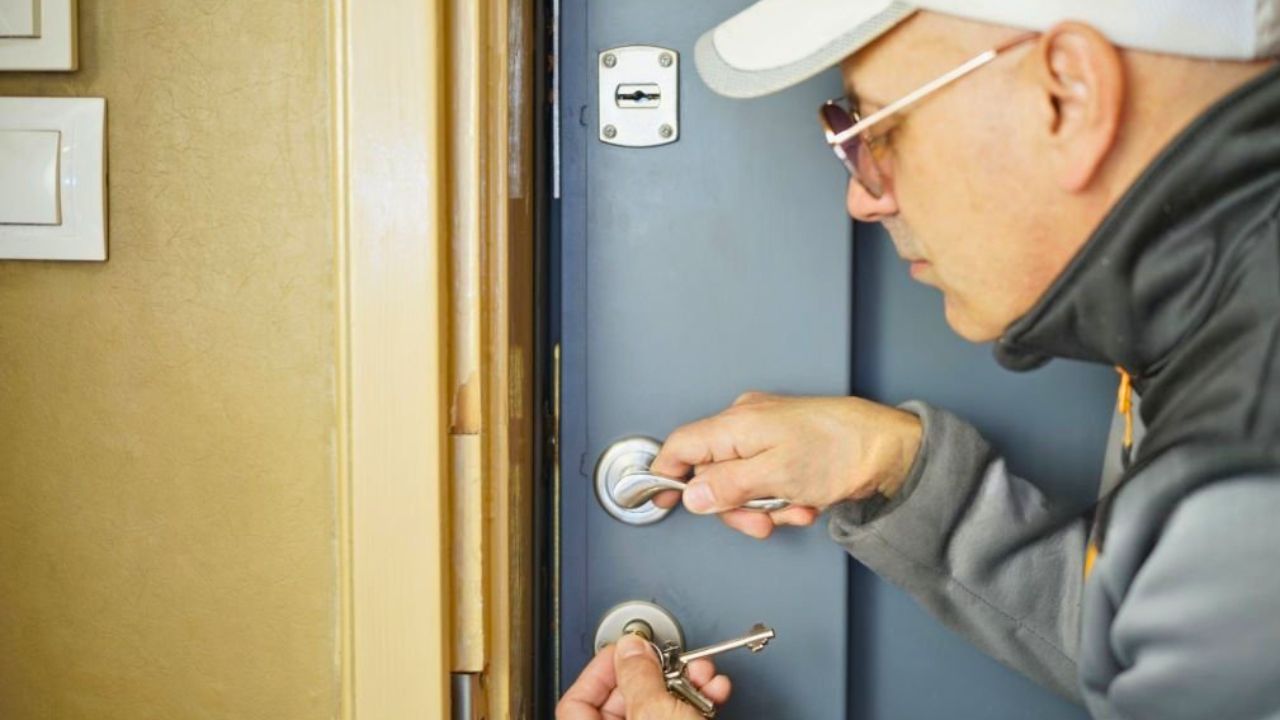
The tenant shared the situation in a post on r/legaladvice, explaining that they were home alone and showering when they suddenly heard someone at the door. At first, they did not know what was happening. Then they realized the person trying to enter was their landlord.
According to the tenant, the landlord was not knocking politely and waiting for an answer. The tenant said he was trying to force entry into the apartment. That detail changed the situation from an inconvenience into something that felt deeply unsafe. A landlord may own the property, but the tenant still has a right to privacy inside the unit. Someone trying to enter while a tenant is showering crosses a line most people would immediately understand.
The tenant said they were able to stop him from coming in, but the situation did not end there. The landlord allegedly threatened to call police on the tenant, which made the whole exchange even more stressful. Instead of the tenant being able to say, “You cannot come in right now,” the landlord appeared to turn the conflict back on them.
That is part of what made the story so unsettling. The tenant was in a vulnerable position, physically unable to answer the door normally, and then had to deal with the person in control of their housing allegedly pushing to enter anyway.
The tenant wanted to know what their rights were and what they could do if the landlord tried something like that again. They were not describing a scheduled inspection with proper notice or an emergency like smoke, flooding, or a gas leak. They described an attempted entry during a private moment, without consent, and without a clear emergency.
That distinction matters. Landlords often have legal access rights in certain situations, especially for repairs, inspections, emergencies, or showing the unit. But those rights are not the same as unlimited permission to enter whenever they want. In most places, tenants are entitled to notice except in emergencies, and landlords are expected to follow the lease and local law.
The tenant’s concern was practical too. Once something like that happens, it can change how safe a person feels at home. It is hard to relax in the shower, sleep, or get dressed if you believe someone with a key might try to come in without warning.
The power imbalance also made the situation heavier. A tenant can complain, but the landlord controls repairs, lease renewals, deposits, and future housing references. That can make tenants hesitate before pushing back, even when they believe the landlord has crossed a clear boundary.
In this case, the tenant was asking whether they could call police if it happened again and how to protect themselves from another attempted entry.
The post did not include a long history of conflict. The key issue was one alarming moment: the landlord allegedly trying to get inside while the tenant was in the shower, then threatening police when the tenant resisted.
That was enough to make the tenant question how secure their home really was.
Commenters Told the Tenant to Document the Entry Attempt
Commenters urged the tenant to start creating a record immediately. Several people said the tenant should write down exactly what happened, including the date, time, what the landlord said, and whether there were any witnesses or messages afterward.
Others said the tenant should communicate with the landlord only in writing from that point forward when possible. If the landlord claimed there was a reason to enter, commenters suggested asking for that reason in an email or text so there would be a record.
A number of commenters told the tenant to check local landlord-tenant laws and the lease language on entry. While rules vary by state and city, many places require reasonable notice before a landlord enters unless there is an emergency. If the landlord could not point to a real emergency, commenters said the tenant may have grounds to push back formally.
Several people suggested installing a doorbell camera or indoor camera facing the entryway, if allowed. Others recommended using a door stopper or security bar while home, though commenters warned the tenant should be careful not to violate lease terms or create safety issues in a true emergency.
Some commenters said that if the landlord tried to force entry again while the tenant was home, calling police would be reasonable. The fact that he owned the property did not mean he could ignore the tenant’s right to quiet enjoyment or privacy.
There was also advice to contact a local tenant-rights group or housing attorney if the behavior continued. A single incident might be handled with a written warning or complaint, but repeated unauthorized entry attempts could become a serious legal issue.
The tenant’s situation struck a nerve because it touched on one of the most basic expectations of renting: when you close and lock the door, you should be able to feel safe inside. The landlord may have keys. The landlord may own the building. But the tenant is the person living there.
That difference matters.
The post did not end with a formal complaint, police report, or lease termination. It ended with the tenant trying to understand how to stop it from happening again and whether the landlord’s threat to call police had any weight.
Commenters were clear that the tenant should not simply forget about it. Even if the landlord never tried it again, the tenant needed a record of the incident in case the situation escalated or the landlord retaliated later.
The strongest advice was to write everything down, move communication into text or email, learn the local entry rules, and treat any future forced-entry attempt as a safety issue.
Because for a tenant, the problem was not only that the landlord tried to come in. It was that he allegedly tried to come in while they were showering, then made the tenant feel like they were the one doing something wrong by stopping him.

Abbie Clark is the founder and editor of Now Rundown, covering the stories that hit households first—health, politics, insurance, home costs, scams, and the fine print people often learn too late.