Hotel Room Broken Into — Guest Says Security Told Them to File a Police Report
Photo credit: Now Rundown
A hotel guest said a relaxing trip turned into a stressful legal and safety problem after someone allegedly broke into their room and stole personal belongings.
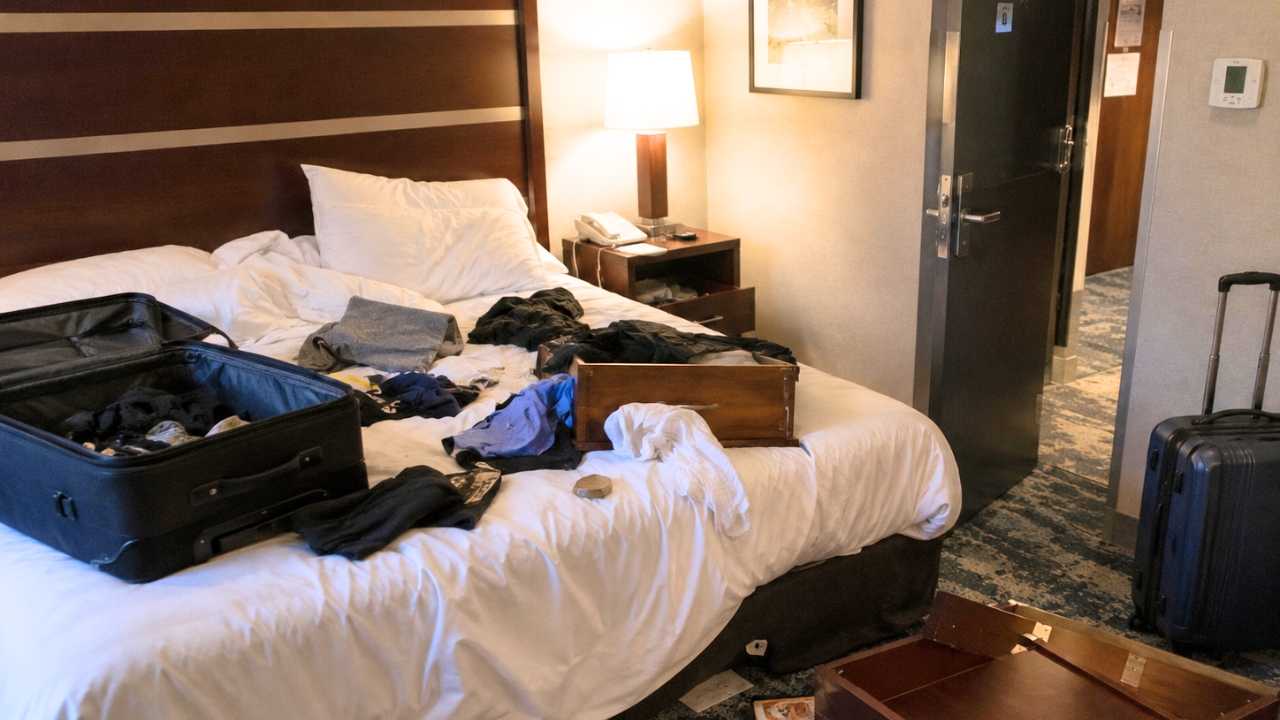
The guest shared the situation in a post on r/legaladvice, explaining that they had checked into a hotel and left their room like any other traveler would. But when they returned, something was wrong. According to the guest, their hotel room had been broken into, and property was missing.
The guest said they contacted hotel security, expecting help from the people responsible for keeping the property secure. But instead of getting clear answers right away, they said security told them to file a police report.
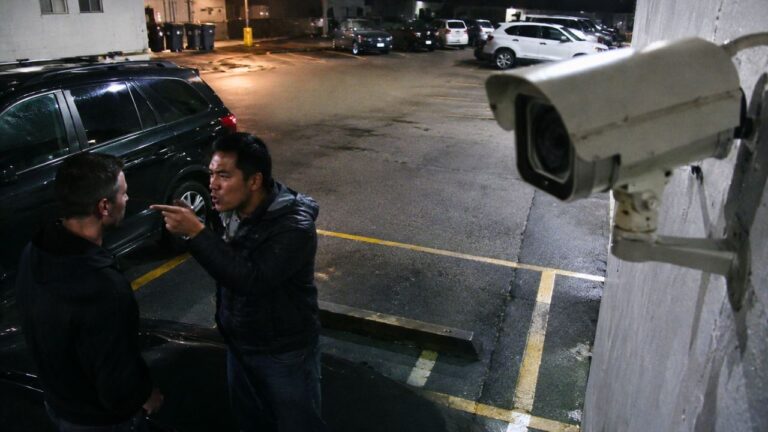
That advice may have been correct, but it also left the guest feeling like they were being handed off. When something is stolen from a hotel room, most people expect the hotel to do more than point them toward police. They want to know how someone got in, whether there were cameras, whether the lock records show entry, and whether staff or management can explain what happened.
The guest’s concern was not only about the missing items. It was about the security of the room itself. A hotel room is not your home, but once you pay for it, it becomes your private space for the stay. You sleep there. You leave bags there. You trust the door lock, the staff, and the property’s procedures.
When that trust breaks, it can make the whole trip feel unsafe.
The guest wanted to know what their options were. They were dealing with stolen property, possible hotel liability, and the practical headache of trying to recover losses while away from home. The situation also raised bigger questions: Did the hotel have a responsibility to protect the room? Could the guest demand camera footage? Would the hotel reimburse them? Should they go through insurance? And what exactly should be included in the police report?
That kind of incident can get complicated fast because hotels often control the information a guest needs most. The guest may know what is missing, but the hotel likely has the key-card logs, hallway cameras, employee access records, maintenance notes, and incident reports. Without those records, the guest may be left with only their own statement that the room was entered and items disappeared.
The post captured that frustrating imbalance. The guest knew something had happened in the room. But the people with access to the building’s internal security information were not necessarily handing over answers.
The guest’s story also fits a fear many travelers have but do not like to think about: what happens if your belongings are taken from a place that is supposed to be secure, and the property treats it as your problem to sort out?
A theft from a car or a porch is bad enough, but a theft from a hotel room feels more personal. It means someone crossed a locked threshold into the space where your luggage, wallet, medication, devices, clothing, and personal documents might be sitting.
That is why the guest’s next steps mattered. Waiting too long could make footage disappear, memories fade, and records harder to obtain. But accusing the hotel or staff without documentation could also make the situation harder to resolve.
Commenters Told the Guest to Create an Official Record Immediately
Commenters told the guest that hotel security was right about at least one thing: a police report needed to be filed.
Several people said the guest should contact police directly and give them a detailed list of everything stolen, including descriptions, estimated values, serial numbers, receipts, photos, or proof of ownership if available. If electronics were taken, commenters suggested using device-tracking features and reporting serial numbers so the items could be flagged if they turned up later.
Others said the guest should ask hotel management, not only security, for an incident report. Commenters recommended getting the names of employees they spoke with, writing down times, and requesting that the hotel preserve any relevant camera footage and key-card access logs.
That preservation point came up repeatedly. Security footage is often overwritten after a set amount of time, and guests may not know how short that window is. Commenters told the guest to put the request in writing so there would be a record that they asked the hotel to save evidence.
Some commenters cautioned that the hotel might not give footage directly to the guest. In many cases, hotels will only provide video or lock records to police, an attorney, or an insurance company. But commenters said that was another reason the police report mattered. Once police were involved, they could request records the guest might not be able to access on their own.
There was also practical advice about insurance. Depending on what was stolen, commenters said the guest might need to check travel insurance, renters insurance, homeowners insurance, or credit-card protections. Hotel reimbursement is not always simple, and the guest may need documentation before any claim moves forward.
Others told the guest to escalate within the hotel chain if local management was unhelpful. If the hotel belonged to a larger brand, commenters suggested contacting corporate customer service with the police report number, incident details, and a written request for review.
The post did not end with the stolen property recovered or the hotel accepting responsibility. It ended at the beginning of a process that many people dread: police report, incident report, insurance claim, corporate complaint, and a lot of waiting.
For the guest, the emotional part was likely as upsetting as the financial part. It is hard to relax in a room after someone may have entered it without permission. Even if the guest moved rooms or changed hotels, the sense of safety had already been damaged.
Commenters did not treat the situation as something the guest should handle with a quick complaint at the front desk. They told the guest to treat it like a real theft: file the report, document everything, preserve evidence, and stop relying on verbal promises from hotel staff.
That was the practical lesson running through the thread. Once a hotel room is broken into, the guest needs more than apologies or vague assurances. They need records, case numbers, written communication, and a clear timeline.
Because if the missing property is never recovered, the documentation may be the only thing that helps the guest pursue reimbursement, insurance coverage, or accountability from the hotel.

Abbie Clark is the founder and editor of Now Rundown, covering the stories that hit households first—health, politics, insurance, home costs, scams, and the fine print people often learn too late.