Neighbor Fenced Herself Out of Her Own Yard — Then Got Angry When She Couldn’t Use Someone Else’s Walkway
Photo credit: Gajus/shutterstock.com
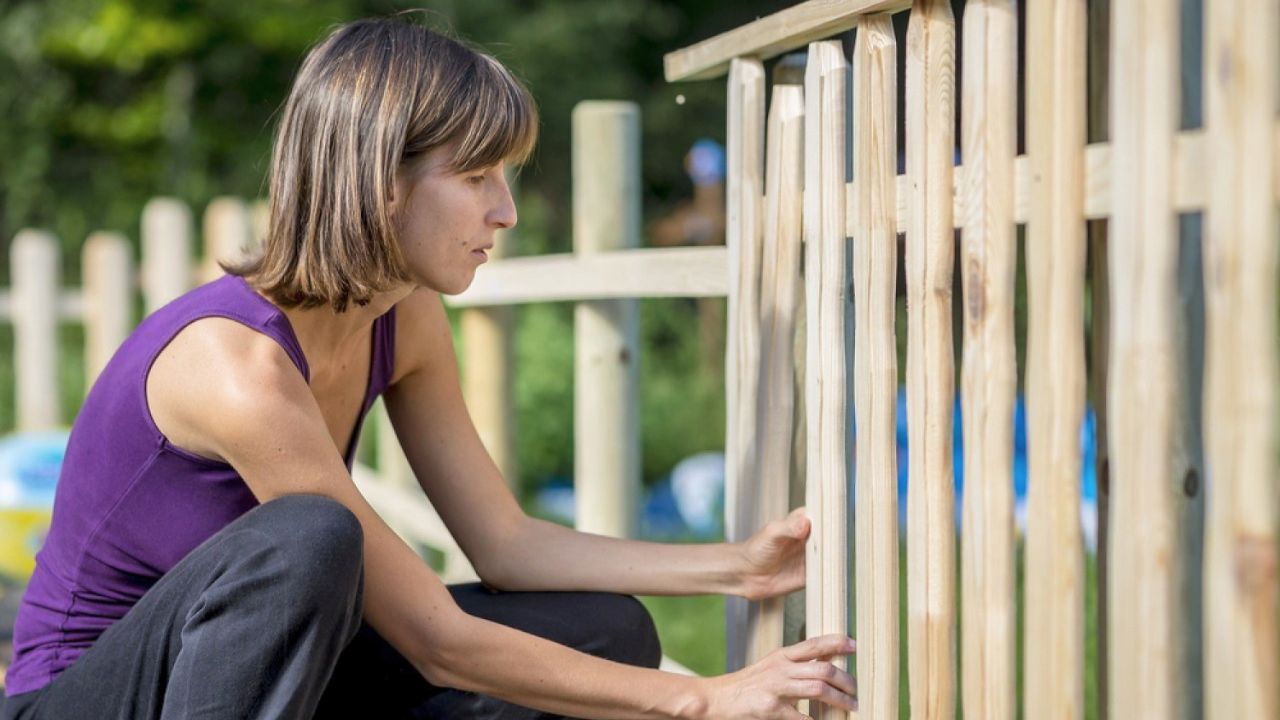
A homeowner who was building a fence said the project seemed simple enough at first. They wanted more privacy and a clearer boundary around their own property, so they started putting up a fence along the side of the house.
Then the neighbor lost access to a shortcut she had apparently been using for years.
The problem was not that the fence blocked a public sidewalk or a shared driveway. According to the homeowner, the neighbor had been using the walkway on the side of their house to reach part of her own property. It was not her walkway. It was not public access. It belonged to the homeowners.
But because she had gotten used to crossing through, she seemed to treat it like part of her routine.
When the fence went up, that routine broke.
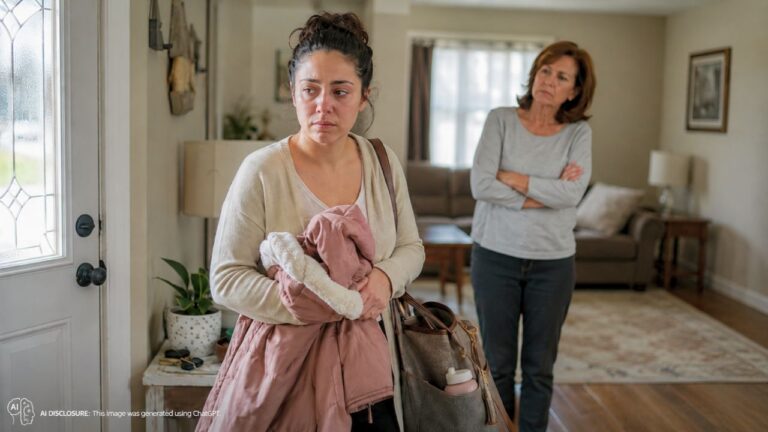
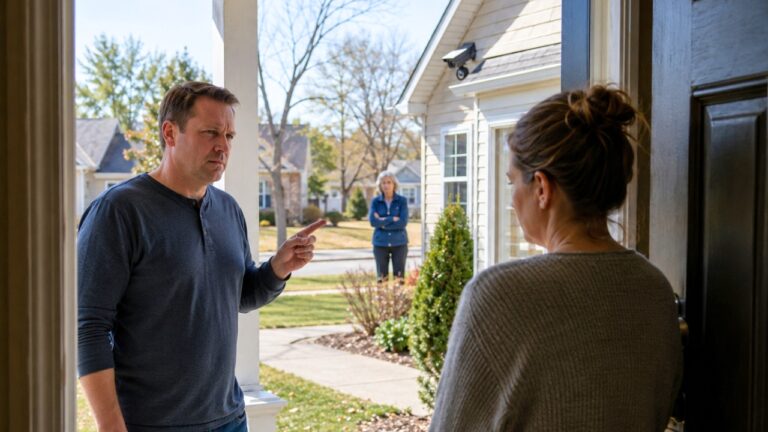
The neighbor got upset and said she needed to use their side walkway to access the right side of her property. The homeowners pointed out that she had created part of this problem herself. She had fenced her own yard in a way that blocked access to that side, and now she wanted to keep using their property to make her layout work.
The homeowners even offered a compromise: they would give her a key.
That would have allowed her to use the gate when necessary, while still respecting the fact that the walkway belonged to them and the fence was there for privacy and control. But the neighbor rejected the offer. She did not want a key. She seemed to want things the way they had been before, when she could just walk through without asking or being limited.
That made the homeowners less sympathetic.
According to the Reddit post, the neighbor’s issue was that she had always gone onto their property to access the side of her house, and now their fence stopped that. The homeowners saw it as a boundary problem, not a fence problem.
Once the neighbor refused the key, the situation got stranger. From the homeowners’ perspective, she had been offered a reasonable way to handle occasional access. Her refusal made it seem like this was less about practical need and more about control. She did not only want access; she wanted access on her terms, with no acknowledgment that she was using someone else’s property.
That is where a lot of neighbor conflicts get stuck. One person sees a habit. The other person sees a trespass. If nobody formalizes the arrangement, the person using the shortcut may start believing convenience equals entitlement.
The fence forced the issue.
The homeowners had a right to secure their own side yard. They had a right to privacy. They had a right to decide who could enter and when. The neighbor still had her own property, but she did not get to solve her access problem by treating someone else’s walkway like a shared corridor.
Commenters urged the homeowners to stop trying too hard to soothe her. Several warned that giving a key could become risky if she started using it constantly or claimed some informal right later. Others said the offer had already been more generous than required, especially after she acted entitled instead of appreciative.
The larger concern was that the neighbor might escalate. Fence disputes can turn ugly fast because they are visible, permanent, and emotional. Every time the neighbor looked at the fence, she was reminded that her old shortcut was gone.
But the homeowners did not create her yard layout. They did not force her to fence herself out of one side. And they did not owe her permanent open access through their property just because it was easier for her.
By the end, the issue was not really the fence. It was whether one neighbor’s convenience could override another neighbor’s property rights. The homeowners’ answer was no.
Commenters mostly sided with the homeowners. Many said the neighbor had no right to keep using their walkway just because she had done it before.
A lot of readers thought the key offer was already generous, though some warned it could create future problems if the neighbor tried to treat access as permanent. They suggested putting any access arrangement in writing or not offering one at all.
Several commenters focused on the fact that the neighbor appeared to create her own access issue with her fencing choices. To them, that made it unfair to demand a fix from the people next door.
The strongest reaction was that private property does not become shared property through habit alone. The neighbor may have liked the old shortcut, but once the owners fenced their yard, she needed to adjust her own setup instead of acting like their walkway belonged to her.

Abbie Clark is the founder and editor of Now Rundown, covering the stories that hit households first—health, politics, insurance, home costs, scams, and the fine print people often learn too late.